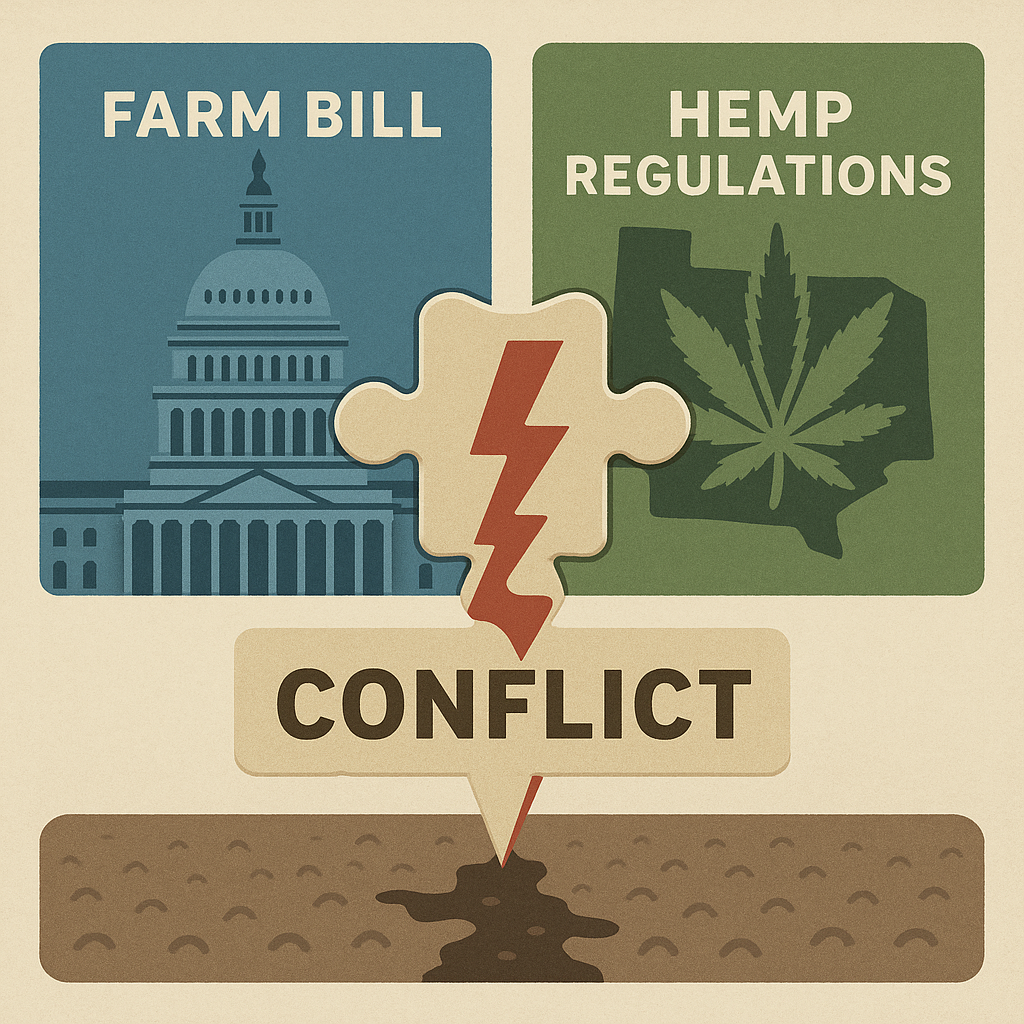
Regulations move fast—and ignorance is expensive. Get concise breakdowns of federal and state changes, testing requirements, labeling rules, and enforcement trends. We translate legal language into operational steps so brands and buyers know what actually changes on the ground.
Meeting BUD: How Surgeons Is Using AI to Fight Misinformation
There’s a lot of noise out there when it comes to hemp-derived products. Conflicting information. Confusing terminology. Claims that range from overly cautious to wildly exaggerated. For someone trying to make an informed decision about cannabinoids, it can feel like navigating a maze without a map.
That’s exactly why we built BUD.
A Name With Meaning
BUD .1 is our AI assistant, and yes — the name works on a few levels. The one concept that matters most to us is this: BUD is named after Herman Mazzoline, a loving grandfather, and better father. He was the kind of person who believed in doing things the right way, in taking care of the people around him, and in being honest even when it wasn’t the easy path.
When we were developing our AI, we wanted it to carry that same spirit. We didn’t set out to build something flashy or to chase trends. We set out to build something useful — something that could actually help people.
Why We Did This
At Surgeons, we’ve always operated with a simple principle: we care about the health of our friends and family. That’s not marketing language. That’s the foundation everything else is built on.
When we looked at the cannabinoid space, we saw a real problem. People had questions — good questions — and the answers they found online were often incomplete, misleading, or just plain wrong. We knew we could do better. We knew AI could help, if it was built with the right intentions.
So we created ai.surgeonsolutions.org — a place where you can talk to BUD and get real, accurate information about cannabinoids and our products. No agenda. No pushy sales tactics. Just clear answers to help you make decisions that are right for you.
AI as a Tool for Good
We’re not naive about artificial intelligence. We know it can be used in ways that aren’t helpful — ways that spread misinformation rather than fight it. That’s precisely why we felt it was important to be part of the conversation.
We didn’t want to reinvent AI. We wanted to help it evolve in a positive direction. BUD .1 represents our contribution to that effort — a sophisticated system designed to be genuinely helpful, not just technically impressive.
There are things about BUD we won’t go into detail about, and that’s intentional. What we will say is this: we’ve put real thought into how it works, how it responds, and how it serves the people who use it. It’s a cut above, and we’re proud of that.
A Different Kind of Company
Working with AI has changed how we operate in ways that most people might not immediately see. It’s allowed us to become more decentralized, more agile, and more focused on what actually matters — which is helping people.
The technology is a tool. What matters is how you use it. We believe that when AI is used responsibly, with care and intention, it can make things better. That’s what we’re doing here.
What’s Next
This is just the beginning. BUD .1 is live, learning, and ready to help. Whether you’re new to cannabinoids and trying to understand the basics, or you’re looking for something specific and want guidance, BUD is there.
We’re committed to getting this right. To being transparent. To putting accurate information out into the world and standing behind it.
“We appreciate everyone’s support during these tough economic times. We are committed to being a valuable resource to our local and online communities, and BUD .1 is a complete demonstration of that value.”
— The Surgeons Team
At the end of the day, this isn’t about technology for technology’s sake. It’s about people. It’s about health. It’s about doing right by the people who trust us.
And that’s something my grandfather would have understood.
When people living with cancer talk about “relief,” they rarely mean a miracle—they mean moments. A quieter evening. An appetite that shows up. A little less edge. This guide organizes what patients and caregivers most often ask, and how to evaluate wellness options responsibly alongside your oncology team.
Picture a late afternoon at home. A favorite blanket. A simple meal. Medication reminders set on the phone. The goal isn’t to replace treatment; it’s to create a predictable rhythm that supports it. For some, that includes carefully chosen cannabinoid products used with clinician guidance.
Start with quality research: Learn what formats exist (inhaled, sublingual, edible, topical) and how to read lab reports (COAs).
Look for third-party testing: This verifies potency and checks for contaminants—essential during oncology care.
Bottom line: Relief is personal. Anchoring routines to clear labels, COAs, and your care team’s advice keeps it safe.
What the Research Shows
Evidence on cannabinoids in cancer care is evolving. Some patients and clinicians discuss cannabinoids as adjuncts for comfort—supporting appetite, easing the day’s edges, or helping with wind-down—while acknowledging that responses vary and that oncology treatment remains primary. Always involve your oncology team to avoid drug–drug interactions and to time any wellness step appropriately around therapy cycles.
Research is ongoing: Expect individualized results. What helps one patient may feel different for another.
Individual results vary: Track what you try, when you take it, and how you feel over several days.
Bottom line: Use reputable sources to frame expectations; use your own notes to personalize comfort.
How to Get Started Safely
Think “dimmer switch,” not on/off. Introduce one change at a time and keep variables steady so patterns are clear.
One-page med list: Include all prescriptions, chemo/targeted therapies, doses, timing, and any “grapefruit” or drowsiness warnings.
Match label to COA: Confirm batch number, mg per serving, and clean contaminant panels before use.
Timing matters: Ask your oncology team about ideal timing (e.g., away from certain meds) and what to monitor.
Start low; adjust slowly: Hold the same amount for several days; note appetite, sleep, nausea levels, and next-day alertness.
Route of use: Inhaled formats act quickly but may not be appropriate for everyone—especially with respiratory issues, low immunity, recent surgery, or hospital oxygen presence. Non-inhaled options may be a better fit for many.
Bottom line: Oncology-first, data-driven, and gentle pacing protect safety while you explore comfort.
Choosing Quality Products
Labels are your map. COAs are the terrain. They must align—especially batch numbers and mg per serving.
Third-party lab testing: Look for potency plus contaminant panels (pesticides, heavy metals, microbials, mycotoxins, and residual solvents where applicable).
Clear labeling: Serving size, mg per serving, mg per container, straightforward ingredients, and a QR code to the COA.
Reputable companies: Easy COA access and responsive support for caregiver and patient questions.
If your clinician approves inhaled formats and you prefer traditional flower: some patients value the fast onset and familiar ritual of hemp flower. A compliant, batch-tested option is our Surgeons CBD Flower. Important cautions: avoid use around oxygen or in clinical settings; consider a clean, well-maintained dry-herb vaporizer at appropriate temperatures rather than combustion; never share devices; and discontinue if you experience coughing, chest discomfort, lightheadedness, or any respiratory distress. If inhalation isn’t appropriate for you, speak with your team about non-inhaled alternatives (oils or edibles) that may better fit your health status.
Bottom line: Choose the route that aligns with your health profile, your clinician’s guidance, and your ability to use it consistently and safely.
Frequently Asked Questions
Is Cancer Patients Speak right for me?
This depends on your individual health needs. Consult with a healthcare provider for personalized advice.
How do I know if a product is high quality?
Look for third-party lab testing, clear labeling, and companies with good reputations in the industry.
“Conquering” Crohn’s isn’t about making bold decisions—it’s about building a routine you can trust on quiet mornings and flare days alike. Think: a simple breakfast that sits well, a symptom journal you actually use, and products with clean labels and batch-linked COAs. Below, we translate the essentials into plain English and add GI-friendly format tips so you can work with your care team—never against it.
Picture an early morning that starts calm. Hydration first. A small, well-tolerated meal. Meds organized in a weekly case. You scan a product label, tap the QR to read the COA, and jot two numbers in your journal: today’s pain and today’s energy. No heroics—just steady signals your GI team can use to help you adjust.
Start with quality research: Separate marketing language from COA facts (mg per serving, cannabinoid profile, contaminants).
Look for third-party testing: Independent labs should verify potency and screen for pesticides, heavy metals, microbials, and mycotoxins.
Bottom line: Predictability and clean documentation (labels + COAs + your notes) help you and your clinician make smarter choices, faster.
What the Research Shows
Evidence related to cannabinoids and inflammatory bowel disease is developing. Some people discuss cannabinoids as adjuncts for day-to-day comfort, sleep support, and stress modulation—not as a cure. Responses vary widely, especially across flare/ remission phases and with concurrent medications. Always involve your GI specialist before changing your routine.
Research is ongoing: Keep expectations realistic and decisions data-driven.
Individual results vary: Track timing, amount, meal context, and next-day GI notes to find your personal pattern.
Bottom line: Use science to set the frame; use your journal to tailor the picture.
How to Get Started Safely
Think “dimmer switch,” not on/off. Introduce one change at a time and hold it steady 3–4 days before adjusting.
Build your med snapshot: Rx/OTC list, doses, timing, and any “grapefruit” or drowsiness warnings. Share with your clinician.
Match label ↔ COA: Confirm batch number and mg per serving; review contaminant panels.
Choose a GI-friendly window: Many people take oils sublingually either with a small tolerated snack or away from trigger foods—note what your gut prefers.
Start low; increase slowly: Change only one variable (timing or amount). Log meal context and stool pattern to spot correlations.
Flare vs. remission: Keep your plan simpler during flares. Avoid new variables; prioritize hydration and clinician guidance.
Labels are the map. COAs are the terrain. They must align.
Third-party lab testing: Potency plus contaminant panels.
Clear labeling: Serving size, mg per serving, straightforward ingredients, and a QR code to the COA.
Reputable companies: Transparent COAs and accessible support for patient questions.
Bottom line: The fewer surprises on the label, the fewer surprises in your day.
GI-Friendly Formats: Oils vs. Edibles vs. Topicals vs. Flower
Format
Best Use Case
Onset / Duration (typical)
Pros
GI Considerations
Oils/Tinctures (sublingual)
Steady, adjustable support; easier journaling of dose/time
Onset often faster than edibles; Duration ~4–8+ hrs
Precise dropper control; fewer ingredients than edibles
Sublingual route may be gentler than ingesting full edible; still log meal context
Edibles
Longer coverage once tolerated pattern is known
Onset 30–90 min; Duration 6–8+ hrs
Convenient, discrete
More ingredients (sweeteners, fibers) can be GI triggers; test cautiously
Topicals
Localized abdominal wall tenderness or back/hip tension
Onset minutes; Duration ~1–3 hrs (varies)
Minimal systemic exposure
Not for broken skin; not a treatment for internal inflammation
Flower (inhalation)
Very fast onset for breakthrough moments (if clinically appropriate)
Onset minutes; Duration ~1–3 hrs
Rapid feedback; moment-to-moment control
Not ideal for everyone (respiratory concerns); clinician guidance recommended
Putting it together: Many patients choose a sublingual oil for predictable, adjustable support and reserve edibles for when they’ve identified non-trigger formulas. Topicals can complement (not replace) GI care by easing wall/soft-tissue tension. Inhalation is a specialized choice and not for everyone.
About Appetite/Weight Tools (Important Note on Slims Weight Loss Solutions)
Weight and appetite can be complicated in Crohn’s. Some people struggle with unintended weight loss and malabsorption—others, particularly in remission or on certain medications, may want structured support for intentional weight management under clinical supervision.
If—and only if—your GI clinician confirms intentional weight management is appropriate for you, you can explore structured tools like Slims Weight Loss Solutions as part of a wider plan (dietitian input, labs, symptom monitoring). This is not for readers with active flares, unintended weight loss, or nutritional deficits.
Use with oversight: Share ingredients and dosing with your GI team and dietitian.
Start slow; log changes: Track appetite, stool pattern, meal tolerance, and energy for 2–4 weeks.
Stop and reassess if: You notice increased urgency, pain, or weight drop you didn’t intend.
Bottom line: Tools that influence appetite or weight should only be added with clinician approval in Crohn’s.
Frequently Asked Questions
Is Conquering Crohn’s right for me?
This depends on your individual health needs. Consult with a healthcare provider for personalized advice.
How do I know if a product is high quality?
Look for third-party lab testing, clear labeling, and companies with good reputations in the industry.
Evening Reset with CBD Flower: A Calm-First Playbook
8:03 p.m. The apartment is loud with the day you just lived. You crack the window, sort a neat pinch of fragrant CBD flower, and set a short playlist. This guide takes an assertive, no-nonsense look at using hemp-derived CBD flower to downshift—what it is, how to do it safely, how to vet quality, and how to track whether it actually helps.
CBD flower is trimmed hemp blossom bred for low intoxicating THC and meaningful CBD with aromatic terpenes. People use it for a fast, ritualized downshift in the evening. It’s not a medicine, not a cure, and not a replacement for prescribed care. The point is a measured routine: clear head, calmer body, lights dimmed, screens down.
Why some choose flower: fastest onset of common formats; the ritual can help mark “day over, evening begins.”
Why expectations stay realistic: experiences vary; effects are subtle for some and situational for most.
Bottom line: Treat it like a tool for transition—not a miracle switch.
Story: The 20-Minute Reset
You grind a small amount, take two slow pulls, and set the piece aside. While the track plays, you rinse a glass, jot three lines in a notebook, and stretch your shoulders. Around minute twelve the room feels less sharp. No grand promises—just a smoother handoff into the evening routine you’re building on purpose.
What the Research Shows
Evidence on cannabinoids and winding down is growing but mixed. Key tempered notes:
Onset matters: Inhaled routes act faster than edibles; timing can shape perceived calm.
Terpenes may color the feel: Aromatics like linalool or β-caryophyllene are often discussed for “relaxing” profiles; individual responses vary.
Variability is the rule: Context (lighting, music, stress, screens) changes the experience—track it.
Bottom line: Use research to set expectations, then let your logbook confirm (or deny) value for your specific nights.
How to Get Started Safely
Choose your window. Use when you’re done driving and decision-making.
Start low, go slow. Two gentle inhales; wait 10–15 minutes before any repeat.
Air & equipment. Ventilate; keep glass/devices clean. Consider dry-herb vaporizers to avoid smoke by-products.
Medication check. If you take liver-metabolized meds, are pregnant/breastfeeding, or have medical conditions, talk to a clinician first.
Set the scene. Lights down, phone away, simple checklist. Make the environment do half the work.
Oils/Tinctures: adjustable, moderate onset; easy to pair with evening tea.
Edibles: slowest onset; longest arc; better for late-night screen-free blocks.
COA Checklist
Batch/lot on jar matches COA PDF/QR
CBD % and total cannabinoids listed; THC compliance clear
“Pass/ND” for pesticides, heavy metals, residual solvents, microbes
Accredited lab; recent test date
Tracking Template
Date / Time: Context (stressors, screens, lighting): Flower (strain/terpenes if listed): Inhales (#) and spacing: T+10 / T+20 notes (mind/body): Evening routine steps completed: Sleep onset / wakings: Next-day energy (1–5) & notes:
For a straightforward, batch-tested option, explore Surgeons CBD Flower—clear labeling, batch-matched COAs, and terpene details where available—useful when you’re building a trackable evening reset.
Frequently Asked Questions
Will CBD flower make me feel intoxicated?
Hemp CBD flower is bred for low intoxicating THC. Experiences differ; start low, note your response, and avoid driving or important tasks after use.
Can I use CBD flower every night?
Build consistency first (same time, light, and routine) and review your log with a clinician if you plan regular use.
What about smell and neighbors?
Ventilate or consider a dry-herb vaporizer to reduce odor and smoke by-products.
References
General cannabinoid onset/duration comparisons and terpene discussions from peer-reviewed reviews and pharmacology texts (non-promissory, variability emphasized).
COA and contaminant panel standards from third-party lab best practices and ISO accreditation norms.
The world of hemp and cannabis can be a confusing legal maze. But don’t worry—I’m here to walk you through the latest insights and help you understand the current state of hemp regulations. By the end of this, you’ll have a much clearer picture of what’s allowed and what’s not. Sound good?
Let’s start with the basics. Hemp and marijuana are both members of the cannabis plant family, but they have some key differences. Hemp contains 0.3% or less THC, the compound that gets you high. Marijuana, on the other hand, has higher THC levels. This distinction is crucial when it comes to the law. Hemp was federally legalized in the 2018 Farm Bill, opening up a whole new world of hemp-derived products like CBD. But marijuana is still illegal at the federal level, even though some states have legalized it for medical or recreational use.
Hemp contains 0.3% or less THC: This is the legal threshold.
Marijuana has higher THC levels: It remains federally illegal.
Hemp was federally legalized in 2018: A game-changer for the industry.
Marijuana remains illegal at the federal level: Despite state-level changes.
Bottom line: Understanding the legal differences between hemp and marijuana is the first step in navigating the complex world of cannabis regulations.
Navigating the Patchwork of State Laws
While hemp is now legal at the federal level, the laws surrounding it can still vary quite a bit from state to state. Some states have legalized the cultivation and sale of hemp products, while others maintain stricter regulations. And when it comes to marijuana, the legal landscape is even more fragmented—19 states have legalized it for recreational use, 37 states allow medical marijuana, and the rest still prohibit it entirely. It’s a real patchwork that can be tricky to keep track of. The best advice is to stay up-to-date on the specific laws in your state and region.
Hemp laws vary widely between states: Know your local regulations.
Marijuana legality is even more fragmented: State laws differ greatly.
19 states have legalized recreational use: A growing trend.
37 states allow medical marijuana: More access for patients.
Bottom line: Staying informed about the constantly evolving state-level regulations is crucial for anyone interested in hemp or cannabis products.
Potential Legal Loopholes and Risks
Even with hemp’s federal legalization, there are still some potential legal gray areas and risks to be aware of. For example, some states have placed restrictions on the sale of hemp-derived CBD products, especially those intended for ingestion. And the FDA has yet to establish clear regulations around the use of CBD in food, drinks, and dietary supplements. So you have to be really careful about the products you’re buying and where they come from. Look for established brands that provide third-party lab testing and COA certificates to ensure quality and compliance.
Some states restrict hemp-derived CBD sales: Check local laws.
FDA regulations around CBD are still unclear: Proceed with caution.
Risks of buying non-compliant products: Verify sources.
Importance of third-party testing and COAs: Ensures product quality.
Bottom line: While hemp is legal, navigating the complex regulatory landscape requires diligence and caution to avoid potential legal issues.
Frequently Asked Questions
What’s the difference between hemp and marijuana?
The key difference is the THC content. Hemp contains 0.3% or less THC, while marijuana has higher THC levels that can produce psychoactive effects. This distinction is crucial from a legal standpoint, as hemp was federally legalized in 2018 while marijuana remains illegal at the federal level.
Are CBD products legal in my state?
The legality of CBD products can vary quite a bit depending on your state’s specific laws. Some states have placed restrictions on the sale of hemp-derived CBD, especially for ingestible products. It’s important to research the regulations in your area and only purchase from reputable brands that provide third-party lab testing and COA certificates to ensure compliance.
Can I get in trouble for buying hemp products?
As long as you’re purchasing hemp products that comply with federal and state laws (containing 0.3% or less THC), you shouldn’t run into any legal issues. However, it’s crucial to be cautious about where you’re buying from, as some unscrupulous sellers may try to skirt the rules. Stick with established brands that are transparent about their testing and quality control.
Key Takeaways
Understanding legal differences: Knowing the THC content is crucial for legal compliance.
Stay informed on state laws: Regulations can change, so keep updated.
Seek quality sources: Choose reputable brands with transparent practices.
The hemp industry is buzzing with excitement over the growing popularity of rare cannabinoids. These lesser-known compounds found in the hemp plant are capturing the attention of consumers and researchers alike. Let’s dive into the latest insights on this emerging market trend and why it matters to you.
While CBD has dominated the hemp spotlight for years, a new wave of interest is building around rare cannabinoids like CBG, CBN, and CBC. These compounds are showing promise for a variety of wellness applications, from pain relief to sleep support. What’s driving this surge in demand? Consumers are increasingly seeking out the ‘entourage effect’ – the synergistic benefits that come from the full spectrum of hemp’s natural compounds working together.
Rare cannabinoids like CBG, CBN, and CBC are gaining mainstream attention: These compounds are becoming more popular as people learn about their potential benefits.
Consumers want the ‘entourage effect’ of full-spectrum hemp products: The combination of cannabinoids may enhance the overall effects.
Rare cannabinoids show potential for pain, sleep, and other wellness benefits: Early research suggests these compounds could support various health needs.
Bottom line: The hemp market is evolving beyond CBD, with rare cannabinoids emerging as the next big trend.
The Science Behind Rare Cannabinoids
While CBD may be the most well-known cannabinoid, the hemp plant actually contains over 100 different compounds. Rare cannabinoids like CBG, CBN, and CBC interact with the body’s endocannabinoid system in unique ways, potentially offering distinct therapeutic benefits. Reputable companies are investing heavily in research to better understand these lesser-known compounds and how they can be leveraged for wellness. Of course, as with any hemp-derived product, it’s important to look for third-party lab testing and transparent sourcing to ensure quality and safety.
Hemp contains over 100 different cannabinoid compounds: Each with unique properties and potential benefits.
Rare cannabinoids like CBG, CBN, and CBC have unique interactions with the endocannabinoid system: This could lead to specific health benefits.
Ongoing research is exploring the potential wellness applications of rare cannabinoids: Studies are underway to uncover their full potential.
Bottom line: The science behind rare cannabinoids is still emerging, but early findings are quite promising.
Navigating the Rare Cannabinoid Market
As consumer demand for rare cannabinoids heats up, the market is quickly becoming saturated with new products. The key is to do your research and look for established brands that prioritize quality and transparency. Always check for third-party lab testing results, known as Certificates of Analysis (COAs), to verify potency and purity. It’s also a good idea to start with low doses and gradually increase, as the effects of rare cannabinoids can vary from person to person. Remember, individual results may differ, so be patient and work closely with your healthcare provider.
The rare cannabinoid market is rapidly expanding, so research brands carefully: Look for transparency and quality assurance.
Look for third-party lab testing and transparent sourcing information: This ensures you’re getting a safe and effective product.
Start with low doses and work closely with your healthcare provider: This helps tailor the experience to your needs.
Bottom line: Navigating the rare cannabinoid market requires diligence, but the potential benefits make it worth the effort.
Frequently Asked Questions
What are the potential benefits of rare cannabinoids?
Rare cannabinoids like CBG, CBN, and CBC are showing promise for a variety of wellness applications, including pain relief, sleep support, and more. However, the research is still emerging, so it’s important to manage your expectations and work closely with your healthcare provider.
How do I find high-quality rare cannabinoid products?
When shopping for rare cannabinoid products, look for established brands that provide third-party lab testing results (COAs) to verify potency and purity. Avoid any companies making exaggerated claims or that lack transparency around their sourcing and manufacturing processes.
What’s the best way to start using rare cannabinoids?
When trying rare cannabinoids for the first time, it’s best to start with low doses and gradually increase as needed. Pay attention to how your body responds, and work closely with your healthcare provider to ensure safety and efficacy. Remember, individual results may vary.
Key Takeaways
The hemp market is evolving: Rare cannabinoids are emerging as a significant trend beyond CBD.
Research and transparency are crucial: Look for third-party lab testing and established brands.
Start low and go slow: Work with your healthcare provider to find what works best for you.
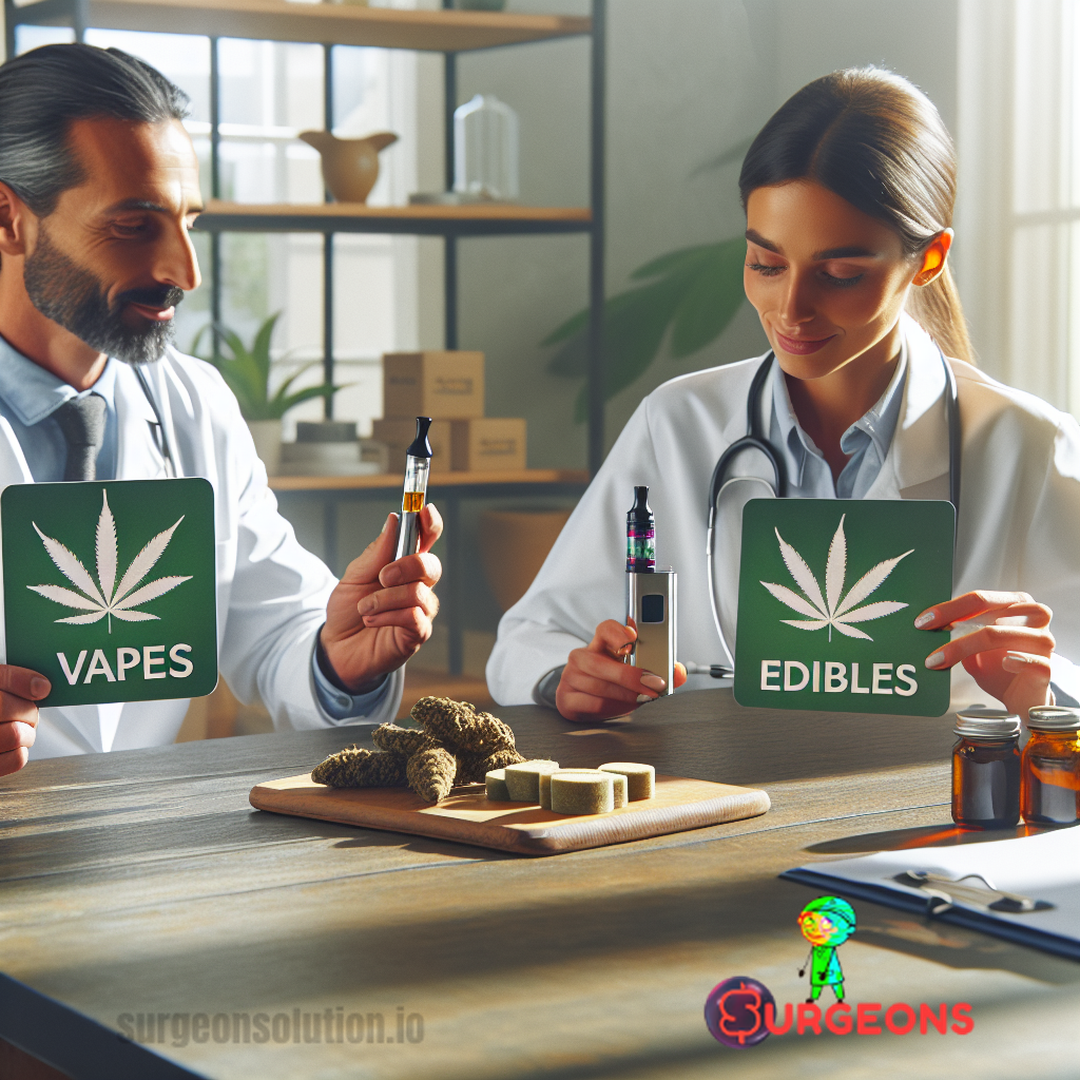
When it comes to exploring the potential benefits of hemp-derived compounds like CBD, you’ve got a lot of options. Two of the most popular delivery methods are vapes and edibles. But how do you know which one is right for you? Let’s dive in and compare the pros and cons of each so you can make an informed decision.
Ever wondered how hemp vapes work? They allow you to inhale hemp-derived compounds like CBD in the form of a vapor. These devices heat a liquid concentrate, often called “e-juice” or “vape oil”, which contains CBD and other beneficial cannabinoids.
Fast-acting effects: Typically felt within 15-45 minutes
Convenient and discreet: Easy to use on the go
Precise dosing control: Tailor your intake to your needs
Bottom line: Hemp vapes offer a quick and easy way to experience the potential benefits of CBD and other cannabinoids.
Understanding Hemp Edibles
On the flip side, hemp edibles are food products infused with hemp-derived compounds. These can include gummies, capsules, tinctures, and even baked goods. When you consume an edible, the active ingredients pass through your digestive system before being absorbed into your bloodstream.
Longer-lasting effects: Can last up to 8 hours
Convenient and discreet: Easy to consume anywhere
Precise dosing control: Allows for consistent intake
Bottom line: Hemp edibles offer a more gradual, sustained experience of the potential benefits of CBD and other cannabinoids.
Vapes vs Edibles: Which Is Better?
So which one is better? The reality is, there’s no one-size-fits-all answer. It really comes down to your personal preferences and needs. Vapes tend to be better for those seeking quick relief, while edibles may be preferable for longer-lasting effects.
Faster-acting effects: Vapes provide quicker relief
Consider your needs: Choose based on your lifestyle and preferences
Bottom line: Ultimately, the best hemp delivery method for you will depend on your individual needs and preferences.
Frequently Asked Questions
How long do hemp vapes take to work?
Hemp vapes typically provide effects within 15-45 minutes. The cannabinoids are absorbed directly into your bloodstream through your lungs, resulting in fast-acting relief.
Can I use hemp edibles with other medications?
It’s always a good idea to consult your healthcare provider before using any hemp products, especially if you’re taking other medications. Some compounds in hemp may interact with certain drugs, so it’s important to get professional guidance.
Why don’t my hemp edibles work anymore?
There could be a few reasons why your hemp edibles may not be as effective as they once were. Your body’s tolerance can build over time, so you may need to adjust your dosage. It’s also important to make sure you’re purchasing high-quality products from reputable brands that provide third-party lab testing. Individual results can vary, so be patient and work closely with your healthcare provider to find the right solution for your needs.
Key Takeaways
Start low and go slow: Experiment to find the right dosage and delivery method for you.
Choose quality products: Look for transparent, reputable brands with third-party lab testing.
Consult your healthcare provider: Always get professional guidance when using hemp products, especially if you’re on other medications.
Understanding Decarboxylation: A Key to CBD Benefits
If you’re new to the world of cannabis and CBD, you may have heard the term ‘decarboxylation’ thrown around. But what exactly is it, and why is it so important?
Don’t worry, I’m here to break it down for you in simple, easy-to-understand terms. By the end of this guide, you’ll have a solid grasp on decarboxylation and how it can help you get the most out of your CBD products.
Here’s what’s interesting: Decarboxylation is the process of heating cannabis or hemp to activate the cannabinoids. You see, when the plant is raw, the cannabinoids like CBD and THC exist in their acidic forms – CBDA and THCA.
These acidic forms won’t produce the same effects as the ‘activated’ versions. Decarboxylation removes the carboxyl group from the molecules, converting them into the familiar CBD and THC we know and love.
Key Points About Cannabinoid Activation
Decarboxylation activates cannabinoids like CBD and THC: This is crucial for effectiveness.
It converts the acidic forms (CBDA, THCA) into the active compounds: Making them usable by the body.
This heating process is essential for getting the full benefits: Without it, the cannabinoids remain inactive.
Bottom line: Decarboxylation is a crucial step that unlocks the therapeutic potential of cannabis and hemp.
Why Does Decarboxylation Matter?
How Decarboxylation Affects the Endocannabinoid System
The reality is, the reason decarboxylation is so important is that the acidic forms of cannabinoids (CBDA, THCA) don’t interact with the body’s endocannabinoid system in the same way as their activated counterparts.
CBD and THC can bind to the CB1 and CB2 receptors, producing the effects we associate with cannabis use. But the raw, unheated forms can’t do this – they need to go through decarboxylation first.
The Importance of Cannabinoid Activation
Acidic cannabinoids don’t bind to CB1/CB2 receptors: They need activation to be effective.
Decarboxylation converts them into the active forms: Allowing them to interact with the body.
This allows CBD and THC to produce their therapeutic effects: Making them beneficial for wellness.
Bottom line: Decarboxylation is essential for unlocking the full benefits of cannabinoids like CBD and THC.
How to Decarboxylate Cannabis or Hemp
The Decarboxylation Process Step-by-Step
What many people don’t realize is that decarboxylation is a relatively simple process. All you need to do is expose the plant material to heat.
This can be done in the oven, on the stovetop, or even with a specialized decarboxylation device. The key is to maintain a temperature between 220-245°F (105-118°C) for 30-60 minutes. This allows the carboxyl group to be removed, converting the acidic cannabinoids into their active forms.
Temperature and Time Guidelines for Decarboxylation
Heat cannabis/hemp to 220-245°F for 30-60 minutes: This is the optimal range for conversion.
This converts CBDA to CBD, THCA to THC: Making them effective.
Can be done in the oven, on the stovetop, or with a decarb device: Offering flexibility in methods.
Bottom line: Decarboxylation is a simple heating process that unlocks the full potential of cannabinoids.
Decarboxylation and CBD Products
Why Quality CBD Brands Always Decarboxylate
When it comes to CBD products, decarboxylation is an essential step in the manufacturing process. Reputable CBD companies will always decarboxylate their hemp before extracting the CBD and formulating the final products.
This ensures you’re getting the active, therapeutic form of CBD – not just the raw, acidic CBDA.
What to Look for in CBD Product Quality
Look for brands that are transparent about their extraction and decarboxylation methods. They should be able to provide third-party lab test results (COAs) to verify the cannabinoid content.
Reputable CBD brands decarboxylate hemp before extraction: Ensuring product effectiveness.
This converts CBDA to active CBD for maximum benefits: Making the products worthwhile.
Look for brands with transparent testing and quality control: Trustworthy companies provide COAs.
Bottom line: Decarboxylation is a critical step in producing high-quality CBD products.
Frequently Asked Questions
How long does decarboxylation take?
The decarboxylation process typically takes 30-60 minutes when done at the proper temperature range of 220-245°F (105-118°C). This allows enough time for the carboxyl group to be removed from the cannabinoids.
Can I decarboxylate at a lower temperature?
You can decarboxylate at lower temperatures, but it will take significantly longer – potentially several hours. The ideal temperature range strikes a balance between efficiency and avoiding damage to the cannabinoids.
Do all CBD products require decarboxylation?
Yes, for CBD products to be effective, the hemp or cannabis must go through the decarboxylation process first. This converts the raw CBDA into the active CBD form. Reputable CBD brands will always decarboxylate before extraction and formulation.
Key Takeaways
Decarboxylation is essential: It activates cannabinoids, making them effective.
Look for transparency: Choose brands that provide COAs and detailed extraction methods.
Educate yourself: Understanding the process helps you make informed decisions about CBD products.
THCa Hemp Flower Guide: Benefits & Legal Status 2025
THCa hemp flower has emerged as one of the fastest-growing wellness trends in 2025, capturing the attention of consumers seeking natural alternatives without intoxicating effects. As the hemp industry evolves, tetrahydrocannabinolic acid (THCa) is revolutionizing how people approach cannabinoid wellness. Unlike its well-known cousin THC, THCa products offer therapeutic potential while remaining non-psychoactive in their raw form.
Market analysts report that THCa hemp flower sales have increased by over 300% since early 2024, driven by consumers’ desire for full-spectrum hemp benefits without the high. What makes 2025 particularly significant is the convergence of improved cultivation techniques, clearer legal frameworks, and growing scientific evidence supporting THCa’s wellness applications. From managing discomfort to supporting overall well-being, this cannabinoid is carving out its own space in the cannabis market.
Whether you’re new to hemp flower or exploring alternatives to traditional THC products, understanding why THCa is trending this year—and what it could offer you—is essential. Let’s explore what makes this cannabinoid unique and why it’s becoming a staple in wellness routines across the country.
Have you ever wondered what makes THCa hemp flower different from other cannabis products? THCa hemp flower refers to the raw, unheated hemp plant that contains high levels of THCa, the acidic precursor to the more well-known THC. Unlike traditional THC, THCa is non-intoxicating, meaning it won’t get you high. However, research suggests it may offer a range of potential benefits, from pain relief to neuroprotection.
How THCa Differs from CBD and THC
THCa occupies a unique position in the cannabinoid spectrum. While CBD is non-intoxicating and THC produces psychoactive effects, THCa remains non-psychoactive until heated. This makes it an ideal choice for those seeking potential therapeutic benefits without altered consciousness.
Natural Occurrence in Hemp Plants
THCa is the acidic precursor to THC: It transforms into THC when heated.
THCa hemp flower is non-intoxicating: You won’t experience a high.
Potential benefits include pain relief and neuroprotection: Research is ongoing.
Bottom line: THCa hemp flower is a unique cannabinoid product that’s gaining popularity for its potential therapeutic benefits without the high.
THCa Hemp Flower Benefits in 2025
Wellness Applications Without Intoxication
So what’s driving the surge in THCa hemp flower popularity? A few key factors. First, as more people seek natural alternatives for issues like pain, anxiety, and sleep, the demand for hemp-derived products has skyrocketed. And with THCa offering potential benefits without the high, it’s become an attractive option for those looking to explore the therapeutic side of cannabis without the intoxicating effects.
Potential Therapeutic Properties
Emerging research in 2025 suggests THCa may support various wellness goals, from inflammation management to neuroprotection. While studies continue, early evidence points to promising applications for those seeking natural alternatives to traditional medications.
Why 2025 Is THCa’s Breakthrough Year
Growing demand for natural alternatives: People are seeking non-pharmaceutical options.
THCa offers potential benefits without intoxication: Ideal for those avoiding psychoactive effects.
Hemp-derived products are increasingly popular: The market is expanding rapidly.
Bottom line: The rise of THCa hemp flower is fueled by the growing interest in natural, non-intoxicating cannabis products.
THCa vs THC: Key Differences Explained
Chemical Structure and Psychoactive Effects
THCa (tetrahydrocannabinolic acid) is the non-intoxicating acidic precursor to THC found in raw cannabis and hemp plants. When exposed to heat through smoking, vaping, or cooking (a process called decarboxylation), THCa converts into THC, which produces psychoactive effects.
The Decarboxylation Process
Understanding decarboxylation is key to maximizing THCa’s benefits. In its raw form, THCa hemp flower does not cause intoxication, making it appealing for those seeking potential wellness benefits without the high. Both compounds interact with the body’s endocannabinoid system, but THCa offers a completely different experience—therapeutic potential without altered mental state.
Which Cannabinoid Is Right for You?
The choice between THCa and THC depends on your wellness goals. If you’re seeking relief without psychoactive effects, THCa hemp flower may be ideal. Those comfortable with intoxication may prefer traditional THC products. This fundamental difference explains why THCa products are gaining popularity among wellness-focused consumers in 2025.
Legal Status of THCa Hemp Flower in 2025
Federal Hemp Law and the 2018 Farm Bill
Under the 2018 Farm Bill, THCa hemp flower derived from hemp plants containing less than 0.3% delta-9 THC by dry weight is federally legal in the United States. This landmark legislation opened the door for hemp-derived cannabinoid products nationwide.
State-by-State Legal Variations
However, state laws vary significantly, and some states have enacted additional restrictions or outright bans on THCa products. It’s crucial to check your local and state regulations before purchasing or possessing THCa hemp flower. Even in states where it’s legal, product quality and third-party testing remain important considerations.
Compliance and Safety Standards
Always buy from licensed retailers who can provide certificates of analysis confirming compliance with federal THC limits. In 2025, regulatory clarity continues to improve, but due diligence remains essential for consumers navigating the legal landscape.
How to Use THCa Hemp Flower Safely
Consumption Methods and Onset Times
If you’re interested in trying THCa hemp flower, the most common way to use it is by smoking or vaping the dried flower buds. The effects are typically felt within 15-45 minutes when smoked or vaped. You can also find THCa-infused topicals, tinctures, and edibles, though onset times vary by method.
Dosage Guidelines for Beginners
When it comes to dosing, many people start with 5-10mg and adjust from there, as effects can vary. Onset times may vary depending on factors like your individual metabolism and the specific product you’re using. As with any hemp-derived product, start low and go slow to find your optimal dose.
Potential Interactions and Safety Considerations
It’s always a good idea to consult your healthcare provider before using THCa hemp flower, especially if you’re taking other medications. While research suggests THCa is generally well-tolerated, it’s possible it could interact with certain drugs. Your doctor can provide personalized guidance to ensure safe usage.
Smoking/vaping dried flower is most common: Provides quick effects.
Start with 5-10mg and adjust as needed: Find your optimal dose.
Look for reputable brands with third-party testing: Ensure quality and safety.
Bottom line: Explore THCa hemp flower safely and responsibly by starting low, going slow, and sourcing from trusted brands.
Choosing Quality THCa Hemp Flower Products
Third-Party Lab Testing and COA Certificates
It’s important to source your THCa products from reputable companies that provide third-party lab testing and COA certificates to ensure quality and potency. These documents verify cannabinoid content, confirm THC compliance, and screen for contaminants like pesticides and heavy metals.
Storage and Freshness Factors
There are a few possible reasons why your THCa hemp flower may not be as effective as it once was. Storage conditions matter—exposure to heat, light, or moisture can degrade cannabinoid content. Store your flower in airtight containers away from direct sunlight to maintain potency and freshness.
Recognizing Quality Hemp Flower
Over time, your body can build up a tolerance to cannabinoids, requiring you to adjust your dosage. Additionally, the quality and potency of the product can vary, so it’s important to source from reputable brands that provide batch-specific third-party lab testing. The method of consumption affects absorption rates as well. Try taking a tolerance break for 3-5 days, switching to a higher-quality product, or adjusting your consumption method to restore effectiveness.
Frequently Asked Questions
How long does it take for THCa hemp flower to take effect?
The effects of THCa hemp flower are typically felt within 15-45 minutes when smoked or vaped. Onset times may vary depending on factors like your individual metabolism and the specific product you’re using. As with any hemp-derived product, start low and go slow to find your optimal dose.
Can I use THCa hemp flower with other medications?
It’s always a good idea to consult your healthcare provider before using THCa hemp flower, especially if you’re taking other medications. While research suggests THCa is generally well-tolerated, it’s possible it could interact with certain drugs. Your doctor can provide personalized guidance to ensure safe usage.
Why isn’t my THCa hemp flower working anymore?
There are a few possible reasons why your THCa hemp flower may not be as effective as it once was. Over time, your body can build up a tolerance to cannabinoids, requiring you to adjust your dosage. Additionally, the quality and potency of the product can vary, so it’s important to source from reputable brands that provide batch-specific third-party lab testing. Storage conditions also matter—exposure to heat, light, or moisture can degrade cannabinoid content. The method of consumption affects absorption rates as well. Try taking a tolerance break for 3-5 days, switching to a higher-quality product, or adjusting your consumption method to restore effectiveness.
Is THCa hemp flower legal in 2025?
Under the 2018 Farm Bill, THCa hemp flower derived from hemp plants containing less than 0.3% delta-9 THC by dry weight is federally legal in the United States. However, state laws vary significantly, and some states have enacted additional restrictions or outright bans on THCa products. It’s crucial to check your local and state regulations before purchasing or possessing THCa hemp flower. Even in states where it’s legal, product quality and third-party testing remain important considerations. Always buy from licensed retailers who can provide certificates of analysis confirming compliance with federal THC limits.
What’s the difference between THCa and THC?
THCa (tetrahydrocannabinolic acid) is the non-intoxicating acidic precursor to THC found in raw cannabis and hemp plants. When exposed to heat through smoking, vaping, or cooking (a process called decarboxylation), THCa converts into THC, which produces psychoactive effects. In its raw form, THCa hemp flower does not cause intoxication, making it appealing for those seeking potential wellness benefits without the high. Both compounds interact with the body’s endocannabinoid system, but THCa offers a completely different experience—therapeutic potential without altered mental state. This fundamental difference explains why THCa products are gaining popularity among wellness-focused consumers in 2025.
Key Takeaways
THCa hemp flower is non-intoxicating: Enjoy potential benefits without the high.
Popularity is driven by demand for natural alternatives: More people are exploring cannabis for wellness.
Source from reputable brands: Ensure quality and transparency with third-party testing.
The $28 billion CBD market faces ongoing uncertainty as FDA hemp regulation remains unsettled in 2025. Despite hemp’s federal legalization in 2018, the FDA still prohibits adding CBD to food, beverages, and dietary supplements without approval—creating significant confusion for consumers and manufacturers alike. Understanding the current FDA position on hemp-derived cannabinoids is essential whether you’re considering these products for wellness or simply trying to navigate what’s legal and safe. This guide breaks down the FDA’s evolving regulatory stance, what it means for product safety, and how to make informed purchasing decisions in this complex landscape.
What many people don’t realize is that while the 2018 Farm Bill legalized hemp and hemp-derived compounds like CBD at the federal level, the FDA still maintains that CBD and other cannabinoids cannot be added to food, beverages, or dietary supplements without their approval. This has created a lot of gray area and confusion for both consumers and manufacturers.
FDA approval: The FDA has not yet approved any hemp-derived cannabinoid products for use in food, beverages, or supplements.
Safety evaluation: They are still evaluating the safety and efficacy of these compounds.
Regulatory actions: The agency has issued warning letters to companies making unsupported health claims.
Bottom line: While hemp is now legal, the FDA is still working to establish a regulatory framework for cannabinoid products.
What the FDA’s Position Means for You
As a consumer, the FDA’s stance means you need to be cautious about the hemp products you purchase. Many companies are making bold claims that their CBD, CBG, or other cannabinoid products can treat medical conditions, but the science simply isn’t there yet. The FDA has been cracking down on these types of unsubstantiated health claims.
Reputable brands: Look for products from reputable brands that provide third-party lab testing.
Avoid false claims: Avoid any products making specific medical or health benefit claims.
Start slow: Start with low doses and go slow when trying new hemp-derived compounds.
Bottom line: The most important thing is to educate yourself and be a savvy consumer when it comes to hemp-derived products.
The FDA’s Path Forward on Cannabinoid Regulation
The reality is, the FDA has acknowledged that there is significant public interest and a growing market for hemp-derived compounds. They are currently evaluating the science and safety data to determine how they can create a clear regulatory framework. This likely means we’ll see more guidance and potentially new rules in the coming years.
Public input: The FDA is gathering public input and scientific data to inform future regulations.
Balancing access and safety: They are working to balance consumer access with appropriate safety measures.
Timeframe: Any new rules will likely take time to develop and implement.
Bottom line: While the current situation is uncertain, the FDA is making progress towards establishing clearer guidelines for the hemp industry.
Frequently Asked Questions
Can I use CBD products if I’m taking other medications?
It’s important to consult your healthcare provider before using any hemp-derived products, especially if you’re taking prescription medications. CBD and other cannabinoids can potentially interact with certain drugs, so it’s best to get professional guidance to ensure safety and efficacy.
How do I know if a CBD product is high quality?
Look for products that provide easy access to third-party lab testing results, also known as Certificates of Analysis (COAs). Reputable brands will make these readily available so you can verify the potency and purity of what you’re buying. Steer clear of any companies that don’t transparently share this information.
What’s the best way to start using hemp-derived products?
When trying any new hemp or CBD product, it’s best to start with a low dose and gradually increase over time. Many people find that 5-10mg is a good starting point for tinctures or capsules, and you can adjust from there based on your individual needs and response. Be patient and give the product time to take effect, as it may take 15-45 minutes or more to feel the full benefits.
Key Takeaways
Stay informed: The hemp and CBD industry is rapidly evolving, and it’s important to stay up-to-date on the FDA’s latest guidance to ensure you’re using these products safely and responsibly.
Choose quality: By doing your research and choosing high-quality, transparent brands, you can explore the potential benefits of hemp-derived compounds.
Consult professionals: Always consult your healthcare provider when considering hemp-derived products, especially if you have existing health conditions or are taking other medications.
CBD in the United States has transformed dramatically as we enter 2025. Navigating the complex legal landscape can feel overwhelming at first. However, understanding current regulations is essential for safe usage. Moreover, knowing which products meet quality standards protects your wellness investment. This comprehensive guide walks you through federal and state laws affecting CBD. Additionally, you’ll discover evidence-based benefits that researchers have documented. Finally, you’ll learn practical tips for identifying premium products. Whether you’re new to CBD or seeking updated information, this guide provides clarity. Consequently, you’ll make informed decisions about incorporating CBD into your routine. Let’s explore what makes 2025 a pivotal year for CBD in the United States.
The legal landscape around CBD can be a bit tricky, especially as laws continue to evolve. Here’s a quick overview of where things stand in the United States: The United States legalized the cultivation of hemp and the production of hemp-derived CBD products in 2018 with the Farm Bill. However, states still have varying restrictions in place, such as THC limits and product registration requirements. It’s important to stay up-to-date on the latest CBD laws and regulations in the United States to ensure you’re using products that are compliant.
Hemp and hemp-derived CBD are federally legal in the United States: Must contain less than 0.3% THC
The United States has federal regulations around CBD products: FDA oversight and state-specific rules
It’s crucial to stay informed on the latest CBD laws: Check both federal and state regulations
Bottom line: The legal status of CBD in the United States is evolving, so it’s important to research the current regulations before purchasing or using any products.
The Benefits of CBD in the United States
Many people in the United States are turning to CBD for its potential wellness benefits. Research suggests CBD may help with issues like pain management, anxiety, sleep, and more. Of course, individual results can vary, and it’s always a good idea to talk to your healthcare provider before trying CBD, especially if you have any underlying conditions or take medications.
CBD may offer benefits for pain, anxiety, sleep, and other concerns: Clinical studies show promise for various conditions
Individual results can vary, so it’s best to start low and go slow: Begin with small doses and adjust as needed
Consult your healthcare provider before using CBD, especially if you have any medical conditions or take medications: Professional guidance ensures safe usage
Bottom line: CBD shows promise for a variety of wellness applications, but it’s important to use it responsibly and under the guidance of a healthcare professional.
Choosing High-Quality CBD Products in the United States
When it comes to CBD, quality is key. Look for products from reputable companies that provide third-party lab testing results, also known as Certificates of Analysis (COAs). These COAs will show you exactly what’s in the product, including the cannabinoid profile and any potential contaminants. Established brands with transparent testing are your best bet for finding safe, effective CBD in the United States.
Look for CBD products with third-party lab testing and COAs: Verify cannabinoid content and purity
Reputable brands should provide batch-specific testing results: Each product batch should have accessible test results
Transparent companies are your best source for high-quality CBD: Choose brands with clear labeling and testing protocols
Bottom line: Doing your research to find CBD products from trustworthy, transparent brands is crucial when shopping in the United States.
Frequently Asked Questions
How long does it take for CBD topicals to work?
The effects of CBD topicals can typically be felt within 15-45 minutes. However, individual results may vary depending on factors like the concentration of CBD, the specific formulation, and how your body responds. It’s best to start with a small amount and give it some time to see how it works for you.
Can I use CBD cream with other medications?
It’s generally safe to use CBD topicals like creams or salves alongside other medications. However, it’s always a good idea to consult your healthcare provider, especially if you have any underlying medical conditions or take prescription drugs. They can provide guidance on potential interactions and help you use CBD safely and effectively.
Why doesn’t my CBD tincture work anymore?
There are a few possible reasons why your CBD tincture may not be working as well as it once did. It could be that your body has built up a tolerance, and you need to adjust your dosage. Or the product itself may have lost potency over time. The best thing to do is check the expiration date, and consider trying a different brand or formulation. If the product is still within its shelf life, try taking a tolerance break for 3-5 days to reset your system, which can help restore CBD effectiveness. It’s also worth verifying that the product has current third-party lab testing to ensure potency and purity haven’t degraded. If you’ve tried these steps and still aren’t getting results, consulting with a healthcare provider can help identify other factors that might be interfering with absorption or effectiveness. Our recommendation: start with a tolerance break and fresh, lab-tested product before making other changes. And remember, individual responses to CBD can vary, so what works for one person may not work the same for another.
Key Takeaways
CBD is an exciting and rapidly evolving space, especially in the United States. By staying informed on the latest laws, research, and quality standards, you can make the most of what CBD has to offer.
Wishing you all the best on your CBD wellness journey! Remember to consult your healthcare provider and choose products from reputable sources.
1. Internal Link Recommendations (3 Strategic Placements)
Recommendation #1: “Understanding CBD legality in your state”
Anchor Text: “understanding CBD legality in your state”
Placement Location: In the first section “CBD Laws and Regulations in the United States,” replace the sentence “It’s important to stay up-to-date on the latest CBD laws and regulations in the United States to ensure you’re using products that are compliant.”
Suggested Implementation: “It’s important to stay up-to-date on the latest CBD laws and regulations, including understanding CBD legality in your state, to ensure you’re using products that are compliant.”
Why This Works: This placement appears in the legal section where readers are actively seeking regulatory information. The anchor text is specific, long-tail, and directly addresses user intent around state-specific laws. It strengthens topical authority by connecting federal information to state-level guidance.
Recommendation #2: “CBD benefits for chronic pain management”
Anchor Text: “CBD benefits for chronic pain management”
Placement Location: In the second section “The Benefits of CBD in the United States,” within the first paragraph after “Research suggests CBD may help with issues like pain management, anxiety, sleep, and more.”
Suggested Implementation: “Research suggests CBD may help with issues like pain management, anxiety, sleep, and more. For detailed information on CBD benefits for chronic pain management, many users report significant relief from persistent discomfort.”
Why This Works: This section discusses wellness benefits, making it the ideal context for a deeper dive into pain-specific applications. The anchor text targets a high-intent keyword phrase that users actively search for. It provides value by offering more detailed information on a specific benefit mentioned in the current content.
Recommendation #3: “Choosing quality CBD products with third-party testing”
Anchor Text: “choosing quality CBD products with third-party testing”
Placement Location: In the third section “Choosing High-Quality CBD Products in the United States,” replace or enhance the sentence “Established brands with transparent testing are your best bet for finding safe, effective CBD in the United States.”
Suggested Implementation: “Established brands with transparent testing are your best bet for finding safe, effective CBD in the United States. Learn more about choosing quality CBD products with third-party testing to ensure you’re getting verified, potent products.”
Why This Works: This placement appears exactly where readers are focused on product quality and purchasing decisions. The anchor text includes important trust signals (“quality” and “third-party testing”) that match user concerns. It enhances the buying journey by providing additional guidance at the consideration stage.
2. Featured Image Alt Text Optimization
Current Alt Text: “Photorealistic image of CBD guide: state in daily life, professional medical illustration style, …”
Optimized Alt Text: “CBD United States legal guide 2025: federal regulations and quality product standards”
Character Count: 85 characters (well under 125 limit)
Why This Works:
Includes target keyword “CBD United States” naturally at the beginning
Describes the actual content purpose (legal guide for 2025)
Anchor Text Suggestion: “FDA’s current stance on CBD regulation”
Placement Location: In the “CBD Laws and Regulations in the United States” section, within the second bullet point
Suggested Implementation: “The United States has federal regulations around CBD products: Review the FDA’s current stance on CBD regulation for FDA oversight details and state-specific rules”
Why This Boosts Credibility:
Authoritative Source: FDA is the primary regulatory body for CBD products in the US
Relevance: Directly supports claims about federal regulations mentioned in the article
Trust Signals: Government (.gov) domains significantly boost page authority and trustworthiness
Current Information: Links to updated regulatory guidance that readers need
E-E-A-T Factor: Demonstrates expertise by citing official regulatory sources
Legal Protection: Shows due diligence by directing readers to official legal information
Note: The article already includes this link in the references section, but adding it contextually within the body content provides immediate value to readers and stronger SEO signals.
Seniors Turn to — You know, a lot of older adults these days are turning to CBD as a natural way to support their overall wellness. The research on CBD’s potential benefits for things like pain, sleep, and anxiety is pretty compelling. But if you’re new to it all, the world of CBD can feel a bit overwhelming. That’s why I wanted to put together this practical guide to help seniors like yourself get started on the right foot.
Seniors Turn to: What is CBD and How Does it Work?
Have you ever wondered what exactly CBD is and how it works? Well, CBD, or cannabidiol, is a compound found naturally in the hemp plant. Unlike THC (the compound that gets you high), CBD is non-intoxicating, meaning it won’t make you feel altered or impaired. Instead, it interacts with your body’s endocannabinoid system – a complex network of receptors and neurotransmitters that help regulate all sorts of important functions, from mood and sleep to pain response and immune function.
CBD is a non-intoxicating compound found in hemp: It won’t make you feel high.
It works by interacting with the body’s endocannabinoid system: This system helps regulate important functions.
This system helps regulate important functions like mood, sleep, and pain: Supporting overall wellness.
Bottom line: CBD may help support overall wellness by targeting the body’s endocannabinoid system.
Potential Benefits of CBD for Seniors
Here’s what’s interesting: the research on CBD is still relatively new, but the early findings are quite promising, especially when it comes to supporting healthy aging. For example, studies suggest CBD may help reduce inflammation and joint pain, which is a common issue for many older adults. It may also promote better sleep and help manage anxiety – two other common concerns as we get older. And some research even indicates CBD could provide neuroprotective benefits and support healthy brain function.
CBD may help reduce inflammation and joint pain: A common issue for older adults.
It may also promote better sleep and manage anxiety: Addressing common aging concerns.
Some research suggests CBD could provide neuroprotective benefits: Supporting healthy brain function.
Bottom line: CBD shows potential to support a variety of age-related wellness concerns.
How to Choose a Quality CBD Product
The reality is, when it comes to CBD, quality is really important. You want to make sure you’re getting a product from a reputable company that uses safe, transparent manufacturing practices. Look for brands that provide easy access to third-party lab test results, also known as Certificates of Analysis (COAs). These show exactly what’s in the product and confirm it’s free of contaminants.
Look for reputable brands that provide third-party lab test results: Ensures product safety and transparency.
CO2 extraction is considered one of the best methods for purity: Produces pure and potent products.
Start with a low dose (5-10mg) and increase slowly as needed: Especially important for seniors.
Bottom line: Choosing a high-quality, transparent CBD product is key for seniors.
Frequently Asked Questions
How long does it take for CBD topicals to work?
CBD topicals, like creams and salves, tend to work a bit faster than oral products like tinctures or gummies. Many people report feeling the effects within 15-30 minutes of applying a CBD topical. The key is to apply it directly to the area of concern and massage it in. Just keep in mind that individual results can vary.
Can I use CBD cream with other medications?
It’s generally safe to use CBD creams or lotions along with other medications, but it’s always a good idea to check with your healthcare provider first. CBD can potentially interact with certain prescription drugs, so it’s important to make sure it’s compatible with any medications you’re currently taking. Your doctor will be able to provide personalized guidance on how to safely incorporate CBD into your wellness routine.
Why doesn’t my CBD tincture work anymore?
There could be a few reasons why your CBD tincture doesn’t seem as effective as it once was. First, your body may have built up a slight tolerance, which is common with regular CBD use. If this happens, you can try taking a brief break or slightly increasing your dosage. It’s also possible the product quality has changed, so you may want to switch to a new brand or batch. And keep in mind that individual factors like metabolism, weight, and genetics can affect how CBD works for you over time. The best advice is to listen to your body and make adjustments as needed.
Key Takeaways
CBD may help support overall wellness: By targeting the body’s endocannabinoid system.
Quality products are essential: Look for reputable brands with third-party lab testing.
Start low and slow: Especially important for seniors trying CBD for the first time.
How to Read Hemp Product Labels— If you’re new to the world of hemp-derived wellness products, deciphering all the labels and lingo can feel overwhelming. But don’t worry – I’m here to walk you through it step-by-step. By the time we’re done, you’ll be reading those labels like a pro and feeling confident about what you’re putting in (or on) your body.
The first thing to know is that not all hemp extracts are created equal. You’ve got full-spectrum, broad-spectrum, and isolate – and each one offers a slightly different set of benefits. Full-spectrum contains all the naturally-occurring cannabinoids, terpenes, and other plant compounds. Broad-spectrum has most of those, just with the THC removed. And isolate is just a single, purified cannabinoid (usually CBD).
Full-spectrum, broad-spectrum, and isolate are the 3 main types of hemp extracts
Full-spectrum contains the full range of beneficial plant compounds
Broad-spectrum is similar but with THC removed
Isolate is a single, purified cannabinoid like CBD
Bottom line: Understanding the differences between extract types is key to finding the right product for your needs.
Checking for Third-Party Lab Testing
One of the most important things to look for on a hemp product label is proof of third-party lab testing. Reputable companies will provide easy access to Certificates of Analysis (COAs) that show the exact cannabinoid and terpene profile, as well as testing for contaminants. This independent verification is crucial, since the hemp industry isn’t yet fully regulated. You want to make sure you’re getting what you paid for – and that it’s safe.
Look for easy access to third-party lab test results (COAs)
COAs show the exact cannabinoid/terpene profile and test for contaminants
Third-party testing is crucial since the hemp industry isn’t fully regulated
It ensures you’re getting a quality product that’s safe to use
Bottom line: Always prioritize brands that provide transparent, third-party lab testing on their products.
Decoding the Ingredient List
Once you’ve confirmed the product has been properly tested, take a close look at the ingredient list. You’ll want to see a short, simple list of natural, recognizable ingredients. Steer clear of anything with a lot of synthetic additives or fillers. And if you have any allergies or sensitivities, make sure none of the ingredients will be an issue for you.
Look for a short, simple list of natural, recognizable ingredients
Avoid products with a lot of synthetic additives or fillers
Check the ingredient list carefully if you have any allergies or sensitivities
Bottom line: Prioritize clean, minimalist formulas from brands that are transparent about what’s in their products.
Checking the Dosage
Another crucial piece of information on the label is the dosage. This will tell you how much of the active ingredient (like CBD) is in each serving. Many people start with a low dose of 5-10mg and adjust from there based on their individual needs and desired effects. The label should also indicate how long the effects typically last. Be wary of any products that don’t provide clear, specific dosage information.
Look for the dosage information, which shows how much active ingredient is per serving
Many people start with 5-10mg and adjust based on their needs
The label should indicate how long the effects typically last
Avoid any products without clear, specific dosage details
Bottom line: Pay close attention to the dosage to ensure you’re getting the right amount for your needs.
Frequently Asked Questions
How long does it take for hemp topicals to work?
The effects of hemp-infused topicals can typically be felt within 15-45 minutes. However, individual results may vary depending on factors like the specific formula, your skin absorption, and what you’re using it for. Start with a small amount and give it some time to see how your body responds.
Can I use CBD cream with other medications?
It’s generally safe to use hemp topicals like CBD creams alongside most medications. However, it’s always a good idea to check with your healthcare provider first, especially if you’re taking any prescription drugs. They can provide guidance on potential interactions and help you use the products safely.
Why doesn’t my hemp tincture work anymore?
There could be a few reasons why your hemp tincture doesn’t seem as effective as it once was. The most common is simply building up a tolerance over time. Try taking a short break or lowering your dosage for a while to reset your sensitivity. You could also try switching to a different extract type, like broad-spectrum or isolate, to see if that makes a difference. And of course, make sure you’re buying from a reputable brand that provides third-party lab testing.
Key Takeaways
Understanding Extract Types: Knowing the difference between full-spectrum, broad-spectrum, and isolate helps you choose the right product.
Importance of Lab Testing: Always look for third-party lab testing to ensure product safety and quality.
Focus on Ingredients: Choose products with simple, natural ingredients and clear dosage information.
With the 2025 Farm Bill on the horizon, the future of hemp regulations is a hot topic in the wellness industry. This upcoming legislation could bring significant changes to how hemp and CBD products are regulated. Understanding these changes is crucial for both producers and consumers.
Did you know the 2018 Farm Bill was a game-changer for the hemp industry? It legalized the production and sale of hemp and hemp-derived products, including CBD, across the United States. This opened the doors for a booming industry, with sales reaching over $820 million in 2021. However, some regulatory gray areas were left unresolved.
Legalization: The 2018 Farm Bill legalized hemp production and sale nationwide.
Regulatory Framework: It established a framework overseen by the USDA.
Ambiguities: Some aspects of hemp regulation were left ambiguous.
Bottom line: The 2018 Farm Bill was pivotal, but there’s still work to be done to solidify federal regulations.
What to Expect from the 2025 Farm Bill
Here’s what’s interesting about the 2025 Farm Bill: it’s expected to address the gaps left by its predecessor. As Congress drafts this legislation, industry experts are watching closely for changes that could impact hemp producers and consumers alike.
Testing Protocols: Stricter testing requirements for hemp and hemp-derived products.
CBD Guidelines: Clearer guidelines around CBD labeling and marketing.
Delta-8 THC: Potential regulation or rescheduling of Delta-8 THC.
Bottom line: The 2025 Farm Bill is poised to bring much-needed clarity and consistency to the hemp industry.
Navigating the Changing Landscape
The reality is, staying informed is key as the hemp industry evolves. Look for established companies that are transparent about their testing protocols and sourcing. When shopping for hemp products, always check for third-party lab results and COA certificates.
Transparency: Support transparent, reputable hemp brands.
Quality Assurance: Verify product quality through third-party testing.
Usage Tips: Start low and go slow when trying new hemp products.
Bottom line: Staying up-to-date on regulations and prioritizing quality will be key as the hemp industry evolves.
Frequently Asked Questions
How will the 2025 Farm Bill impact hemp regulations?
The 2025 Farm Bill is expected to bring stricter testing requirements, clearer guidelines around CBD labeling, and potential regulation of Delta-8 THC. These changes aim to provide more consistency and clarity for the hemp industry.
What should I look for when buying hemp products?
When shopping for hemp-derived supplements, look for brands that are transparent about their testing protocols and provide easy access to third-party lab results and COA certificates. This helps ensure you’re getting a high-quality, compliant product. And remember, always start with a low dose and increase slowly to find what works best for you.
How can I stay up-to-date on hemp regulations?
Reputable industry publications and trade associations are great resources for staying informed on the latest hemp regulations and legislative updates. You can also check government websites like the USDA and FDA for official guidance. And don’t hesitate to reach out to established hemp brands – they’re often happy to share their insights on the evolving regulatory landscape.
Key Takeaways
Understanding the 2018 Farm Bill: It was pivotal for hemp legalization but left some regulatory gaps.
2025 Farm Bill Expectations: Anticipate stricter testing and clearer CBD guidelines.
Quality Matters: Support transparent brands and verify product quality through third-party testing.
If you’re interested in the world of hemp and CBD, you’ve probably heard a lot about organic certification. But what does it really mean, and why does it matter? Let’s dive into the latest insights on organic hemp – so you can make informed choices for your health and wellness.
Ever wondered what makes hemp ‘organic’? Organic hemp certification is a designation that verifies the hemp plant was grown without the use of synthetic pesticides, fertilizers, or other chemicals. To earn this certification, hemp farms must adhere to strict guidelines set by reputable third-party organizations like the USDA. The certification process involves regular inspections and testing to ensure compliance.
Organic hemp is grown without synthetic chemicals: This ensures a natural growing process.
Certification involves third-party inspections and testing: Regular checks maintain standards.
Organic standards help ensure purity and quality: You get a cleaner product.
Bottom line: Organic certification provides an extra layer of assurance that the hemp was produced using sustainable, natural methods.
Why Does Organic Hemp Matter?
When it comes to your health, the quality and purity of your hemp-derived products is paramount. Organic certification helps guarantee that the hemp was grown without harsh pesticides or fertilizers that could potentially end up in the final product. Many people find that organic hemp provides a cleaner, more natural experience compared to conventionally-grown hemp.
Organic hemp is free from synthetic chemicals: This means fewer unwanted residues.
Organic standards ensure purity and quality: You can trust what’s in your products.
Organic hemp may offer a more natural experience: Enjoy a purer product.
Bottom line: Choosing organic hemp can give you greater peace of mind about what you’re putting into your body.
How to Spot Organic Hemp Products
If you’re shopping for hemp or CBD products, look for the USDA Certified Organic seal. Reputable brands will also provide easy access to third-party lab test results, known as Certificates of Analysis (COAs), that verify the purity and potency of their organic hemp. When you see these markers of quality, you can feel confident you’re getting a product that was produced with care and attention to detail.
Look for the USDA Certified Organic seal: A clear indicator of organic standards.
Verify products have accessible third-party lab tests: Check for COAs to confirm quality.
Prioritize transparency from hemp brands: Trustworthy companies share their testing results.
Bottom line: Doing a bit of research can help you identify high-quality organic hemp products from brands you can trust.
Frequently Asked Questions
What’s the difference between organic and non-organic hemp?
The main difference is in the growing methods. Organic hemp is cultivated without synthetic pesticides, fertilizers, or other chemicals, while non-organic hemp may use these additives. Organic hemp is held to stricter quality standards through third-party certification and testing.
How can I tell if a hemp product is truly organic?
Look for the USDA Certified Organic seal, which indicates the hemp was grown according to strict organic guidelines. You should also be able to easily access third-party lab test results, known as a Certificate of Analysis (COA), that verify the purity and potency of the organic hemp used. Reputable brands will make these COAs readily available.
Are there any downsides to using non-organic hemp?
The main potential downside is that non-organic hemp may contain trace residues of synthetic pesticides or fertilizers that were used during cultivation. For some people, this can be a concern, especially if they’re looking for a truly natural, chemical-free experience. Organic certification helps ensure purity and quality.
Key Takeaways
Organic hemp certification is crucial: It ensures that the hemp is grown without synthetic chemicals, providing a cleaner product.
Look for transparency: Reputable companies will offer third-party lab testing and COAs.
Choose quality sources: Opt for established brands with good reputations to ensure you’re getting a high-quality product.
When you’re dealing with pain or inflammation, choosing the right remedy is crucial. You might be considering ibuprofen or CBD, but how do you decide? These two options work differently, and understanding their unique benefits can help you make an informed choice.
Have you ever wondered how ibuprofen actually works? It’s a nonsteroidal anti-inflammatory drug (NSAID) that’s widely used to relieve pain, reduce fever, and decrease inflammation. By blocking certain chemicals in the body that cause inflammation, ibuprofen can be quite effective for short-term relief.
Ibuprofen is a synthetic NSAID drug: It’s manufactured to target inflammation.
Blocks inflammatory chemicals: This is how it reduces pain and swelling.
Bottom line: While ibuprofen may provide temporary relief, it can also lead to side effects like stomach irritation and increased risk of heart issues with long-term use.
Exploring Cannabidiol (CBD)
Here’s what’s interesting about CBD: it’s a natural compound found in hemp that doesn’t get you high. Unlike THC, CBD is non-intoxicating and interacts with the body’s endocannabinoid system to promote balance.
CBD is a natural compound found in hemp: Derived from plants, not synthetic.
Non-psychoactive: Won’t alter your state of mind.
Supports the endocannabinoid system: Helps maintain bodily balance.
Bottom line: CBD is a natural option that may support health and wellness without the high, offering potential relief for various conditions.
Key Differences Between Ibuprofen and CBD
What many people don’t realize is that ibuprofen and CBD work in fundamentally different ways. While ibuprofen is a synthetic drug that blocks inflammation, CBD interacts with the body’s natural systems.
Ibuprofen is synthetic, CBD is natural: Different origins and compositions.
Ibuprofen blocks inflammation, CBD supports the endocannabinoid system: Different mechanisms of action.
CBD may offer holistic support: Fewer side effects compared to long-term ibuprofen use.
Bottom line: Both can help manage pain and inflammation, but CBD might offer a more natural approach with fewer risks.
Frequently Asked Questions
How long does it take for CBD to work?
Individual responses to CBD can vary. Typically, effects are felt within 15-45 minutes with oils or tinctures. Topicals may take 30-60 minutes, while edibles can take 1-2 hours. Start low and be patient.
Can I use CBD cream with other medications?
Generally, CBD topicals are safe with other medications, but consult your healthcare provider first. Some medications might interact with CBD, so it’s best to check.
Why doesn’t my CBD tincture work anymore?
There are a few reasons this might happen. Tolerance can develop, or product quality might have changed. Consider trying a different reputable brand or adjusting your dosage.
Key Takeaways
Ibuprofen is effective but synthetic: Provides temporary relief with potential side effects.
CBD offers a natural alternative: May support wellness without the high.
Consult your healthcare provider: Always check before starting new treatments.
You’ve probably heard a lot about hemp and cannabis products lately. But do you know the key legal differences between them? Here’s what you need to know to make informed choices.
Here’s what’s interesting: the main legal difference comes down to the amount of THC, the psychoactive compound in cannabis. By federal law, hemp products must contain less than 0.3% THC, while cannabis products can have much higher THC levels. This means hemp-derived goods like CBD oils and topicals won’t get you high, unlike their cannabis counterparts.
Hemp contains less than 0.3% THC by dry weight: This low level is what legally separates it from cannabis.
Cannabis can have significantly higher THC levels: This is why cannabis products are often used for recreational purposes.
Hemp products are federally legal, cannabis is not: This distinction affects how these products can be sold and used.
Bottom line: The low THC content is what makes hemp products legally distinct from cannabis.
How They’re Regulated
What many people don’t realize is that hemp production and sales are regulated at the federal level under the 2018 Farm Bill. This means hemp goods can be legally transported, sold, and consumed across state lines. Cannabis, on the other hand, is still classified as a controlled substance at the federal level, with regulations varying widely by state.
Hemp is federally legal, cannabis is not: This allows for broader distribution of hemp products.
Hemp products can be sold nationwide, cannabis cannot: This makes hemp more accessible.
Look for brands that provide transparent lab testing: Reputable companies will have third-party lab test results, or Certificates of Analysis (COAs), to prove their low THC levels.
Bottom line: Hemp products have a clear federal legal framework, while cannabis laws remain in flux.
Exploring Therapeutic Benefits
The reality is, both hemp and cannabis contain beneficial compounds like CBD, CBG, and other cannabinoids. But the lower THC in hemp means you can enjoy the wellness benefits without the high. Many people find hemp-derived products helpful for issues like pain, anxiety, sleep, and more.
Hemp and cannabis share many therapeutic compounds: Both can offer wellness benefits.
Hemp provides benefits without psychoactive effects: This makes it a popular choice for those seeking relief without impairment.
Start low and go slow when trying hemp products: Individual results may vary, so it’s best to ease into it.
Bottom line: Hemp offers an accessible way to explore the therapeutic potential of cannabinoids.
Frequently Asked Questions
Can I use hemp products if I have to take drug tests?
Yes, hemp products containing less than 0.3% THC are generally safe for use even if you have to undergo drug testing. However, it’s always a good idea to check with your employer or healthcare provider to understand their specific policies.
How long do hemp topicals take to work?
The effects of hemp-derived topicals can typically be felt within 15-45 minutes. However, individual results may vary depending on factors like the specific product, application area, and your own biology. It’s best to start with a small amount and give it time to take effect before increasing the dose.
Can I use hemp products with other medications?
While hemp products are generally well-tolerated, it’s always a good idea to consult your healthcare provider before using them, especially if you take any prescription medications. Some compounds in hemp may interact with certain drugs, so it’s important to get professional guidance to ensure safety and effectiveness.
Key Takeaways
Legal clarity: Hemp products are federally legal, unlike cannabis.
Therapeutic potential: Hemp provides benefits without psychoactive effects.
Quality matters: Look for reputable brands with transparent testing.
The world of cannabinoids is rapidly evolving. With new discoveries and innovations emerging all the time, there’s a lot to be excited about. Let’s explore some of the latest industry insights that point to an incredibly promising future for these remarkable plant compounds. Here’s why this matters to you.
Have you ever wondered about the potential of cannabinoids beyond just CBD and THC? The reality is, there’s a whole world of minor and rare cannabinoids like CBG, CBN, and THCV that are starting to garner significant attention. As analytical testing capabilities advance, we’re uncovering the vast array of beneficial cannabinoids present in the cannabis and hemp plants.
Rare cannabinoids: Compounds like CBG, CBN, and THCV are being studied for their unique effects.
Improved testing: Allows us to identify the full spectrum of beneficial plant compounds.
Diverse applications: This cannabinoid diversity enables more tailored wellness solutions.
Bottom line: The future of cannabinoids lies in harnessing the full spectrum of these remarkable plant compounds to address a wide range of health and wellness needs.
Innovative Ways to Consume Cannabinoids
Imagine being able to dial in the exact dose and onset time of your cannabinoids. That’s where precision delivery systems come in. We’re seeing the emergence of advanced transdermal patches, metered-dose inhalers, and even dissolvable oral strips that can fine-tune the absorption and onset of effects.
New delivery methods: Transdermal patches and oral strips enable precise dosing.
Improved absorption: Leads to more personalized cannabinoid experiences.
Enhanced user experience: These innovations enhance the therapeutic potential.
Bottom line: Precision delivery systems are revolutionizing the way we consume and benefit from cannabinoids, ushering in a new era of personalized wellness solutions.
Cannabinoids in Targeted Therapies
What many people don’t realize is how versatile cannabinoids can be. As our understanding of the endocannabinoid system deepens, we’re uncovering more potential therapeutic applications for cannabinoids. From pain management and sleep support to neurological conditions and immune system modulation, the possibilities are truly remarkable.
Wide range of applications: Cannabinoids show promise for various therapeutic uses.
Emerging research: Explores using cannabinoids for neurological and immune conditions.
Revolutionary treatments: Targeted cannabinoid therapies could transform certain disease treatments.
Bottom line: The therapeutic potential of cannabinoids continues to expand, with exciting possibilities for addressing an ever-growing range of health concerns.
Frequently Asked Questions
How can I ensure I’m getting high-quality cannabinoid products?
When it comes to cannabinoid products, quality is paramount. Look for established brands that provide transparent third-party lab testing and COA certificates. Reputable companies will make it easy for you to access batch-specific testing results, so you can verify the potency and purity of what you’re purchasing. Start low, go slow, and consult with healthcare providers, as individual results may vary.
What’s the best way to determine the right cannabinoid dosage for my needs?
Finding the optimal cannabinoid dosage is a highly individualized process. Many people start with a low dose, like 5-10mg, and gradually increase by 2.5mg every few days until they find the sweet spot. The effects are typically felt within 15-45 minutes, so pay close attention to how your body responds. Remember, start low and go slow – this principle is key for discovering your ideal cannabinoid regimen.
Can I use cannabinoid products alongside my other medications?
It’s important to consult with your healthcare provider before using cannabinoid products, especially if you’re taking other medications. While cannabinoids are generally well-tolerated, there is the potential for interactions. Your provider can help you understand any potential risks and guide you on safely incorporating cannabinoids into your wellness routine. Individual results may vary, so open communication is essential.
Key Takeaways
Expanding diversity: The future of cannabinoids involves exploring a wide range of plant compounds for targeted wellness applications.
Precision delivery: Innovative systems are making cannabinoid consumption more personalized and effective.
Therapeutic potential: Cannabinoids may help address a growing range of health concerns, with research suggesting exciting possibilities.
The world of CBD and cannabis is rapidly changing, with new laws and regulations popping up all the time. As a consumer, it’s important to stay up-to-date on the latest legal developments so you can make informed choices. In this article, we’ll dive into the current legal landscape and what it means for you.
Here’s what’s interesting: In 2018, the Farm Bill was passed, which federally legalized the cultivation and sale of hemp – a variety of the cannabis plant that contains less than 0.3% THC. This was a game-changer, as it opened the doors for the booming CBD industry we see today.
Reputable companies like Surgeons LLC are now able to source high-quality, lab-tested hemp extracts to formulate their products.
The 2018 Farm Bill: Federally legalized hemp cultivation and sale
Industry Impact: Paved the way for the rise of the CBD industry
Consumer Benefit: Access to lab-tested, high-quality hemp extracts
Bottom line: The federal legalization of hemp was a pivotal moment that enabled the CBD industry to flourish.
Understanding State-Level Cannabis Laws
What many people don’t realize is that while hemp is now legal at the federal level, the legal status of cannabis (the variety with more than 0.3% THC) is still determined on a state-by-state basis.
Currently, 37 states and the District of Columbia have legalized cannabis for medical use, and 21 states have legalized it for adult recreational use. The patchwork of state laws can be confusing, so it’s important to research the specific regulations in your area.
State Determination: Cannabis legalization is determined at the state level
Medical Use: 37 states and DC have legalized medical cannabis
Recreational Use: 21 states have legalized adult-use recreational cannabis
Bottom line: The legal status of cannabis varies widely across the United States, so it’s crucial to understand your state’s specific laws.
Navigating the Complex Regulatory Landscape
The reality is, with the rapid changes in cannabis and CBD laws, the regulatory environment can be complex and ever-evolving.
It’s important to do your research and only purchase products from reputable, transparent brands that provide third-party lab testing results (also known as Certificates of Analysis or COAs). Look for established companies that use high-quality extraction methods and are upfront about their sourcing and testing practices.
Complexity: The regulatory landscape for cannabis and CBD is complex and changing
Quality Assurance: Only purchase from brands that provide third-party lab testing results
Transparency: Seek out companies with transparent sourcing and testing practices
Bottom line: Navigating the legal and regulatory landscape requires diligence, but you can find high-quality, trustworthy products if you know what to look for.
Frequently Asked Questions
Is CBD legal in my state?
The legality of CBD can vary depending on your state’s laws. In general, hemp-derived CBD products containing less than 0.3% THC are legal at the federal level, but some states may have additional restrictions. It’s important to research the specific regulations in your area.
How can I tell if a CBD product is high-quality?
Look for CBD products that come with third-party lab testing results, also known as Certificates of Analysis (COAs). Reputable brands will make these easily accessible so you can verify the potency and purity of the product. You’ll also want to look for companies that use high-quality extraction methods and are transparent about their sourcing.
Can I use CBD while taking other medications?
It’s generally recommended to consult with your healthcare provider before using CBD, especially if you’re taking other medications. CBD can potentially interact with certain drugs, so it’s important to get professional guidance to ensure it’s safe for your individual situation. Your provider can help you understand the potential risks and benefits.
Key Takeaways
Hemp Legalization: The 2018 Farm Bill was a pivotal moment for the CBD industry.
State Cannabis Laws: Cannabis legality varies by state, so know your local laws.
CBD Product Quality: Seek out reputable brands with transparent testing practices.
Canada’s Hemp Boom: What’s Behind the Surge? – Canadas Hemp Production
Canadas Hemp Production — Here’s what’s fascinating about Canada’s hemp industry. It’s reaching unprecedented heights, and there’s more to it than meets the eye. Understanding this growth can open doors to new opportunities and insights.
Canada’s hemp production is on the rise, and it’s not just about numbers. This growth is fueled by several factors:
Government policies supporting sustainable agriculture.
Increased demand for hemp-based products globally.
Advancements in farming technology.
What’s interesting is how these elements combine to create a thriving industry. For those in agriculture, it’s a chance to explore new crops and markets.
Why Now?
Recent changes in regulations have opened up new possibilities. Farmers are now more equipped than ever to meet the demands of a growing market.
The Global Impact
Canada’s success is setting a precedent. Other countries are watching closely, eager to replicate this model of sustainable growth.
Benefits and Applications
The uses of hemp are as diverse as they are beneficial. From textiles to health supplements, hemp is making waves:
Textiles: Durable and eco-friendly materials.
Health: Potential benefits in wellness products.
Construction: Hempcrete as a sustainable building material.
Exploring these applications can lead to innovative solutions in various industries.
Textiles and Beyond
Hemp fibers are not just strong; they’re versatile. This makes them ideal for a range of products, from clothing to industrial uses.
Health and Wellness
Research suggests hemp may help with various health concerns, though individual results vary. It’s always best to consult with healthcare providers.
Dosage and Usage
When it comes to hemp products, understanding dosage is key. Here’s what you should keep in mind:
Start small: Begin with a lower dose and adjust as needed.
Listen to your body: Pay attention to how you feel and react.
Consult professionals: Always seek advice from healthcare providers.
Being mindful of these guidelines ensures a safe and beneficial experience.
Starting Out
New to hemp? Begin with a conservative approach. This allows you to gauge your body’s response.
Adjusting Over Time
As you become more familiar, you can fine-tune your dosage to better suit your needs.
Safety Considerations
Safety should always be a priority when using hemp products. Be aware of:
Potential interactions with medications.
Possible side effects like drowsiness or dry mouth.
Individual allergies or sensitivities.
Staying informed helps you make the best choices for your health.
Interactions to Watch
Some medications may interact with hemp, so it’s crucial to discuss with your doctor before starting.
Recognizing Side Effects
While many people use hemp without issue, it’s important to be aware of how it affects you personally.
Frequently Asked Questions
What is Canada’s hemp production boom?
It’s a significant increase in hemp farming and product development, driven by favorable policies and global demand.
Is hemp safe to use?
Generally, yes, when used responsibly. Always consult healthcare providers for personalized advice.
What are the main uses of hemp?
Hemp is used in textiles, health products, and even construction materials like hempcrete.
How do I determine the right dosage?
Start small, listen to your body, and consult professionals to find what works best for you.
Are there any side effects?
Some people may experience mild effects like drowsiness. It’s important to monitor your body’s response.
Can hemp interact with medications?
Yes, it can. Always discuss with your healthcare provider before starting any new supplement.
What’s the global impact of Canada’s hemp production?
Canada’s success is influencing other countries to explore similar sustainable agricultural practices.
How is hemp used in textiles?
Hemp fibers are durable and versatile, making them ideal for a variety of textile products.
Key Takeaways
Canada’s hemp industry is booming, offering new opportunities. This growth is driven by supportive policies and global demand.
Hemp’s applications are diverse and beneficial. From textiles to health, its uses are expanding rapidly.
Safety and proper usage are crucial. Always consult with healthcare providers and start with small doses.
Curious about CBD and hemp? Let’s dive into what makes these compounds so intriguing and how they might fit into your wellness routine. Understanding their benefits and how to use them safely is key.
Here’s what’s fascinating: CBD, or cannabidiol, is a compound found in hemp plants. It’s non-psychoactive, meaning it won’t get you high, but it may offer a range of potential health benefits.
What is CBD?
CBD is one of over 100 cannabinoids found in hemp. It’s been studied for its potential to help with anxiety, pain, and inflammation.
How does it work?
CBD interacts with your body’s endocannabinoid system, which plays a role in regulating mood, sleep, and immune function.
Key Benefits and Applications
Why consider CBD? Many people turn to CBD for its potential therapeutic effects. While research is ongoing, some promising areas include:
Reducing anxiety and stress
Alleviating chronic pain
Improving sleep quality
Real-world applications
Some users find relief from everyday stressors, while others incorporate it into their routine for better sleep.
Research insights
Studies suggest CBD may help with conditions like epilepsy and arthritis, but more research is needed.
Dosage and Usage Guidelines
Start low and go slow. That’s the mantra when it comes to CBD. Dosage can vary based on individual needs and product concentration.
Finding your dose
Begin with a small amount, such as 5-10 mg, and gradually increase until you find what works for you.
Forms of CBD
CBD is available in oils, capsules, and edibles. Choose a form that fits your lifestyle and preferences.
Safety Considerations
Safety first! While CBD is generally well-tolerated, it’s important to be aware of potential side effects and interactions.
Possible side effects
Some people may experience dry mouth, fatigue, or changes in appetite.
Consulting a professional
Always talk to your healthcare provider before starting any new supplement, especially if you’re on medication.
Frequently Asked Questions
What is CBD and hemp?
CBD is a compound derived from hemp plants, known for its potential health benefits without the high.
Is it safe to use?
When used responsibly, CBD is considered safe. However, consulting a healthcare provider is recommended.
Key Takeaways
CBD and hemp offer potential benefits for those seeking natural wellness options. Whether you’re looking to reduce stress or improve sleep, they might be worth exploring.
Start with a low dose and adjust as needed. Everyone’s response to CBD is different, so finding the right amount is key.
Consult a healthcare provider to ensure it’s a safe addition to your routine, especially if you’re taking other medications.
Slovenia Voters Approve — Here’s what’s happening in Slovenia: Voters have approved significant cannabis reform measures. This decision could reshape the country’s approach to cannabis, impacting everything from medical use to economic opportunities.
Hemp Fiber is more than just a buzzword. It’s a fascinating compound with a range of uses and benefits that might surprise you. Let’s dive into what makes it so special and why it could matter to you.
Ever wondered about the fusion of technology and nature? 3D printing with hemp is an innovative approach that’s catching attention. Let’s dive into why this matters and how it could reshape industries.
Here’s what’s fascinating about 3D printing with hemp: It’s not just about creating objects; it’s about sustainability. Hemp is a versatile material that offers a greener alternative to traditional plastics.
Hemp fibers are strong and biodegradable, making them ideal for eco-friendly production.
The process involves using hemp-based filaments, which can be molded into various shapes and structures.
By integrating hemp into 3D printing, we open doors to sustainable manufacturing practices.
How does it work?
3D printers use hemp filaments, which are heated and extruded layer by layer to form objects. This method is both efficient and environmentally friendly.
Why choose hemp?
Hemp grows quickly and requires fewer resources than traditional crops, making it a sustainable choice for the future.
Key Benefits and Applications
What many people don’t realize is the range of applications hemp offers in 3D printing. From construction to fashion, its uses are expanding.
In construction, hemp can be used to create lightweight, durable building materials.
Fashion designers are exploring hemp for sustainable clothing and accessories.
The potential for innovation is vast, with hemp leading the charge towards a more sustainable future.
Construction innovations
Hemp-based materials are being used to build eco-friendly homes, offering insulation and strength.
Fashion forward
Designers are crafting unique, sustainable pieces that are both stylish and environmentally conscious.
Dosage and Usage Guidelines
Understanding how to use hemp in 3D printing is crucial. While dosage isn’t the term we’d typically use here, knowing the right proportions and methods is key.
Start with small amounts of hemp filament to test its compatibility with your printer.
Adjust settings gradually to optimize the printing process.
Experimentation and patience are your allies in mastering hemp 3D printing.
Getting started
Begin with a small project to understand how hemp filaments behave during printing.
Adjusting your approach
Fine-tune your printer settings to achieve the best results with hemp materials.
Safety Considerations
Safety first! While hemp is generally safe, there are considerations to keep in mind.
Ensure your workspace is well-ventilated to avoid inhaling any fumes.
Handle hemp filaments with care to prevent any skin irritation.
Always prioritize safety to ensure a smooth and enjoyable printing experience.
Ventilation is key
Good airflow helps disperse any fumes, keeping your workspace safe.
Handling precautions
Wear gloves if necessary to protect your skin from irritation.
Frequently Asked Questions
What is 3D Printing with Hemp?
It’s a method of using hemp-based filaments in 3D printers to create sustainable products.
Is it safe to use?
Yes, when used with proper precautions like ventilation and protective gear, it’s safe.
Can I use hemp in any 3D printer?
Most printers can handle hemp, but it’s best to check compatibility with your specific model.
What are the environmental benefits?
Hemp is biodegradable and requires fewer resources to grow, making it eco-friendly.
How does hemp compare to traditional materials?
Hemp offers similar strength and durability but with a smaller environmental footprint.
Are there any limitations?
While promising, hemp filaments may not yet match the diversity of traditional plastics.
What industries are using hemp 3D printing?
Construction, fashion, and even automotive industries are exploring hemp’s potential.
How do I start with hemp 3D printing?
Begin by sourcing quality hemp filaments and experimenting with small projects.
Key Takeaways
3D printing with hemp is a game-changer. It’s paving the way for sustainable manufacturing across various industries.
Start small and experiment. Understanding how hemp filaments work with your printer is crucial for success.
Safety is paramount. Ensure proper precautions are in place to enjoy a safe and rewarding printing experience.
Ukraine’s New Medical Marijuana Program – Ukraine Launches Medical
Ukraine Launches Medical — Here’s what’s happening in Ukraine. The country has launched a medical marijuana program, marking a significant step in healthcare and legislation. This move could change the landscape of medical treatments available to patients.
Ukraine Launches Medical: Understanding the Program
Ukraine’s decision to launch a medical marijuana program is groundbreaking. This initiative aims to provide patients with alternative treatment options for various conditions.
Medical marijuana can be prescribed for chronic pain, epilepsy, and multiple sclerosis.
The program is regulated to ensure safe and effective use.
Patients must obtain a prescription from a certified healthcare provider.
The reality is, this program opens doors for new research and potential breakthroughs in medical treatments.
Key Benefits and Applications
What many people don’t realize is the range of benefits medical marijuana can offer. It’s not just about pain relief.
Research suggests it may help reduce inflammation and anxiety.
Some patients report improved sleep and appetite.
It’s being explored as a treatment for PTSD and other mental health conditions.
Ultimately, the potential applications are vast, but individual results vary, and ongoing research is crucial.
Dosage and Usage Guidelines
Getting the dosage right is key to effective treatment. Here’s how you can approach it safely.
Start with a low dose and gradually increase as needed.
Consult your healthcare provider for personalized dosage recommendations.
Pay attention to how your body responds and adjust accordingly.
Remember, everyone’s body reacts differently, so patience and careful monitoring are essential.
Safety Considerations
Safety should always be a top priority. Here’s what you need to know before starting treatment.
Be aware of potential side effects like dizziness or dry mouth.
Discuss any existing medications with your doctor to avoid interactions.
Pregnant or breastfeeding women should avoid use unless advised by a healthcare provider.
It’s always wise to consult with a healthcare professional to ensure safe usage.
Frequently Asked Questions
What is Ukraine’s medical marijuana program?
It’s a government-regulated initiative allowing the use of marijuana for medical purposes, providing patients with alternative treatment options.
Is it safe to use?
When used as directed and with proper precautions, it can be part of a wellness routine. Consult healthcare providers for personalized advice.
What conditions can it treat?
It’s primarily used for chronic pain, epilepsy, multiple sclerosis, and is being explored for PTSD and other conditions.
How do I get a prescription?
A certified healthcare provider must evaluate your condition and determine if medical marijuana is appropriate for you.
Are there side effects?
Possible side effects include dizziness, dry mouth, and changes in appetite. Always monitor your response and consult with a doctor.
Can anyone access the program?
Access is limited to patients with a prescription from a certified healthcare provider.
How is it administered?
It can be taken in various forms, including oils, capsules, and vaporizers, depending on the prescription.
Is it legal everywhere in Ukraine?
The program is regulated, and legal access is through certified medical channels only.
Key Takeaways
Ukraine’s medical marijuana program is a significant step forward. It offers alternative treatment options for patients and opens new avenues for research.
Safety and proper usage are crucial. Always consult healthcare providers for personalized advice and monitor your body’s response.
Stay informed and engaged. As research progresses, new applications and benefits may emerge, making it an exciting field to watch.
European Hemp: A Journey Through Time – European Hemp Cultivation
European Hemp Cultivation — Hemp has been a part of European life for centuries. From ancient textiles to modern wellness, its uses have evolved remarkably. Understanding its history helps us appreciate its role today.
A Staple in Early American Farming – Hemp’s Major Role
Hemp’s Role in history — Hemp’s early history in America is richer than you might think. From its early days as a crucial crop to its modern resurgence, understanding hemp’s role in early American agriculture offers insights into its potential today. Let’s explore why this plant was so significant and what it means for us now.
Germany’s New Cannabis Social Clubs – Germany Implements Cannabis
Germany Implements Cannabis — Germany’s taking a bold step. The introduction of Cannabis Social Clubs is stirring up conversations about cannabis use and its implications. Let’s explore what this means for you and the broader community.
Germany Implements Cannabis: Understanding Cannabis Social Clubs
So, what exactly are Cannabis Social Clubs? These are member-based organizations where adults can cultivate and share cannabis in a regulated environment. It’s a community-driven approach that aims to provide safe access while minimizing illegal trade.
How do they operate?
Members collectively grow cannabis, ensuring quality and safety. The clubs are non-profit, focusing on community benefits rather than commercial gain.
Why is this significant?
It represents a shift towards more progressive cannabis policies, promoting responsible use and reducing stigma.
Benefits and Applications
Here’s what’s interesting about these clubs. They offer a controlled environment for cannabis use, which can lead to various benefits.
Community Engagement
Members often engage in educational activities, fostering a deeper understanding of cannabis.
Potential Health Benefits
Some people find relief from stress and anxiety through responsible use, though individual results vary.
Dosage Guidelines
Getting the dosage right is crucial. Starting low and going slow is the key to finding what works best for you.
Start Small
Begin with a small amount and gradually increase as you gauge your body’s response.
Listen to Your Body
Pay attention to how you feel and adjust accordingly. Everyone’s experience is unique.
Safety Considerations
Safety first, always. Understanding potential risks and interactions is essential.
Know the Risks
Be aware of possible side effects like dizziness or dry mouth. It’s always wise to consult a healthcare provider.
Interactions with Other Substances
Mixing cannabis with other substances can lead to unexpected effects. Proceed with caution.
Frequently Asked Questions
What are Cannabis Social Clubs?
They’re member-based groups where adults can legally grow and share cannabis in a safe, regulated setting.
Are they safe?
When used responsibly and with proper guidance, they can be a safe part of a wellness routine. Always consult with healthcare professionals for personalized advice.
Key Takeaways
Germany’s Cannabis Social Clubs are a step forward. They provide a safe, community-focused way to access cannabis.
Start small and stay informed. Understanding dosage and safety is key to a positive experience.
Engage with the community. These clubs offer more than just cannabis; they foster education and responsible use.
Why a Cannabis Company is Suing Hemp THC Retailers – Cannabis Company Files
Cannabis Company Files — Here’s what’s happening: A cannabis company has filed a lawsuit against hemp THC retailers, claiming unfair trade practices. This case could have significant implications for the industry, and it’s essential to understand the details.
The roots of the conflict: The lawsuit stems from allegations that hemp THC retailers are engaging in unfair trade practices. Here’s what you need to know:
The cannabis company claims that hemp-derived THC products are being marketed in a way that confuses consumers.
They argue this misrepresentation affects their business and the broader cannabis market.
The outcome of this case could set a precedent for how hemp and cannabis products are marketed.
What led to the lawsuit?
The cannabis company believes that the way hemp THC products are labeled and sold misleads consumers into thinking they’re purchasing cannabis-derived products.
What’s at stake?
If the court sides with the cannabis company, it could lead to stricter regulations on hemp THC marketing practices.
Legal Implications
Understanding the legal landscape: This lawsuit could reshape how hemp and cannabis products are regulated. Consider these points:
The case highlights the gray areas in current cannabis and hemp laws.
It may prompt lawmakers to clarify distinctions between hemp and cannabis products.
Legal experts are watching closely, as the decision could influence future legislation.
How does this affect current laws?
Depending on the ruling, there could be new guidelines for labeling and marketing hemp and cannabis products.
Potential changes in regulation
Regulatory bodies might need to revisit existing laws to ensure clear differentiation between hemp and cannabis products.
Impact on the Industry
Ripple effects in the market: The lawsuit’s outcome could have widespread implications for the hemp and cannabis industries.
Companies may need to adjust their marketing strategies to comply with new regulations.
There could be increased scrutiny on product labeling and consumer education.
This case might encourage more transparency in the industry, benefiting consumers in the long run.
How might businesses adapt?
Businesses might need to invest in clearer labeling and consumer education to avoid legal issues.
Long-term industry changes
The lawsuit could lead to a more standardized approach to marketing and selling hemp and cannabis products.
Consumer Concerns
What consumers need to know: As the lawsuit unfolds, consumers should be aware of how it might affect their purchasing decisions.
It’s crucial to understand the differences between hemp and cannabis products.
Consumers should look for transparent labeling and reputable brands.
Staying informed can help consumers make better choices and avoid confusion.
How can consumers protect themselves?
By researching brands and understanding product labels, consumers can ensure they’re getting what they expect.
What to watch for
Look for brands that clearly differentiate between hemp and cannabis products and provide detailed product information.
Future Outlook
Looking ahead: The lawsuit could lead to significant changes in the hemp and cannabis industries. Here’s what might happen:
Increased regulation could lead to a more transparent market.
Consumers might benefit from clearer product information and labeling.
The industry could see a shift towards more responsible marketing practices.
What changes might we see?
Expect more stringent guidelines on how hemp and cannabis products are marketed and sold.
Potential benefits for consumers
With clearer regulations, consumers could have a better understanding of what they’re buying, leading to more informed choices.
Frequently Asked Questions
Why is the cannabis company suing?
The company believes hemp THC retailers are misleading consumers, impacting their business.
What could this mean for hemp products?
There might be stricter regulations on how hemp products are marketed and labeled.
How does this affect consumers?
Consumers may need to be more vigilant about product labels and brand transparency.
Will this change the industry?
It’s possible. The lawsuit could lead to more standardized marketing practices.
What should consumers do now?
Stay informed and choose brands that offer clear, honest labeling.
Are there any immediate changes?
Not yet, but the lawsuit’s outcome could prompt regulatory changes.
How can I stay updated?
Follow industry news and updates from reputable sources.
What are the potential benefits of this lawsuit?
It could lead to a more transparent market with clearer product information.
Key Takeaways
The lawsuit highlights the need for clarity in how hemp and cannabis products are marketed. Consumers should be aware of the differences and choose brands that prioritize transparency.
Potential regulatory changes could lead to a more standardized and transparent industry, benefiting both businesses and consumers.
Stay informedabout the lawsuit’s developments and how they might impact your purchasing decisions. Choose reputable brands with clear labeling to ensure you’re getting what you expect.
Connecticut Hemp Farmers Navigate Federal Dispute – How Hemp Farmers Use Federal Farm Bill
How Connecticut Hemp Farmers Navigate Federal Farm Bill Dispute — Connecticut hemp operators have taken legal action against state regulators in a significant case highlighting tensions between state restrictions and federal Farm Bill protections. This developing situation could impact hemp cultivation nationwide and reflects broader challenges facing the industry. For those interested in cannabinoid wellness, understanding these regulatory battles provides valuable context about the evolving hemp landscape.
How Connecticut Hemp Farmers Navigate Federal Farm Bill Dispute: Table of Contents
Connecticut hemp farmers filed a lawsuit against state regulators, claiming that Connecticut’s restrictions on hemp production violate protections granted under the 2018 Federal Farm Bill. The farmers argue that state regulations have imposed excessive limitations on cultivation practices, processing methods, and product development that contradict federal guidelines.
Lawsuit centers on alleged contradictions between state restrictions and federal Farm Bill provisions
Case could establish precedent for hemp regulation nationwide
This legal challenge highlights the complex regulatory environment hemp operators must navigate despite federal legalization. Those who want to stay informed about these developments can Create an Account on our platform for regular updates on this evolving situation.
Farm Bill Provisions at the Center of Dispute
The 2018 Farm Bill federally legalized hemp containing less than 0.3% THC, creating a framework for legal cultivation nationwide. Connecticut hemp operators contend that state regulations have imposed additional restrictions beyond federal requirements, particularly regarding processing methods and cannabinoid extraction.
2018 Farm Bill legalized hemp with less than 0.3% THC nationally
Connecticut regulations allegedly impose additional restrictions beyond federal requirements
The dispute centers on whether states can impose stricter regulations than those established in the federal Farm Bill. For those interested in understanding the full spectrum of cannabinoids and their potential applications, A Comprehensive Guide to CBD and CBG: Promising Alternatives provides valuable context about these compounds at the center of the dispute.
Economic Impact on Connecticut Hemp Industry
The regulatory dispute has created significant economic challenges for Connecticut’s hemp sector. Farmers report substantial financial losses due to their inability to process and sell certain hemp-derived products under current state restrictions.
Farmers report financial losses due to state restrictions
Industry growth potential remains limited by regulatory uncertainty
Regulatory conflicts have created substantial economic challenges for Connecticut’s emerging hemp industry. About Natural Pain Relief: How surgeonsolution.io’s Full Spectrum products work illustrates the kind of consumer applications being limited by restrictive regulations.
Broader Implications for Cannabinoid Wellness
This legal challenge reflects wider questions about access to hemp-derived cannabinoids for wellness purposes. As research continues to explore potential benefits of various cannabinoids, regulatory frameworks significantly impact which products reach consumers.
Regulatory decisions impact consumer access to hemp-derived wellness products
Case outcome may influence hemp regulation in other states
The dispute highlights how regulatory decisions directly affect the availability of cannabinoid wellness options for consumers. Are Cannabinoids the Future of natural healthcare solutions? This question becomes increasingly relevant as these legal battles determine the trajectory of hemp-derived wellness options.
Federal vs. State Authority in Hemp Regulation
The Connecticut lawsuit raises fundamental questions about the balance between federal and state authority in regulating hemp. While the Farm Bill established federal legalization, it also preserved states’ rights to create their own regulatory frameworks, creating potential conflicts.
Case highlights tension between federal legalization and state regulatory authority
Resolution may require federal court intervention to clarify jurisdictional boundaries
This dispute represents a classic federalism conflict between state regulatory authority and federal legislative intent. The case may eventually require federal court intervention to clarify the boundaries between state and federal authority.
Industry Response and Advocacy Efforts
Connecticut hemp operators have organized collective advocacy efforts beyond the lawsuit, forming industry associations to engage with regulators and legislators.
Hemp operators have formed advocacy groups to educate policymakers
National organizations support the case due to potential precedent-setting implications
The industry is responding with coordinated advocacy efforts while seeking workable compliance solutions during the dispute. “Advanced Cannabinoid Wellness: CBD and related educational initiatives have become increasingly important as the industry works to clarify misconceptions that may influence regulatory decisions.
Consumer Implications and Product Availability
The regulatory dispute directly affects which hemp-derived products Connecticut consumers can access. Current restrictions limit the availability of certain cannabinoid formulations that may offer potential wellness benefits.
State restrictions limit consumer access to certain hemp-derived products
Patients and wellness-focused consumers may face barriers to accessing potentially beneficial formulations
Regulatory decisions directly impact which hemp-derived wellness options remain available to Connecticut consumers. A New Frontier in Epilepsy Care: Exploring the Therapeutic B and similar resources highlight the growing interest in cannabinoid applications that may be affected by regulatory restrictions.
Frequently Asked Questions
Q: What is the main issue in the Connecticut hemp lawsuit?
A: Connecticut hemp operators are suing state regulators, claiming that state restrictions on hemp cultivation, processing, and product development contradict protections granted under the 2018 Federal Farm Bill. The farmers argue that Connecticut has imposed excessive limitations that go beyond federal guidelines, creating economic hardship for the industry.
Q: How does the 2018 Farm Bill relate to this dispute?
A: The 2018 Farm Bill federally legalized hemp containing less than 0.3% THC and established a framework for legal cultivation. The lawsuit centers on whether Connecticut’s additional restrictions violate the intent and provisions of this federal legislation, which was designed to promote hemp as an agricultural commodity.
Q: What economic impact has this dispute had on Connecticut’s hemp industry?
A: The regulatory conflict has caused significant financial challenges for Connecticut hemp operators, with many reporting substantial losses. Farmers have scaled back production or halted expansion plans due to limitations on processing and selling certain hemp-derived products, restricting the industry’s growth potential.
Q: Could this case affect hemp regulations in other states?
A: Yes, this case could establish important precedents for how states can regulate hemp in relation to federal guidelines. If the court rules that states cannot impose restrictions beyond federal requirements, it could impact regulatory approaches nationwide and potentially expand access to hemp-derived products in restrictive states.
Q: What’s the core legal question in this dispute?
A: The fundamental legal question is about the balance between federal and state authority in hemp regulation. While the Farm Bill established federal legalization, it also preserved states’ rights to create their own regulatory frameworks. The case examines whether states can restrict activities explicitly permitted under federal law.
Q: How are Connecticut hemp operators responding beyond the lawsuit?
A: Hemp operators have formed industry associations to engage with regulators and legislators, working to educate policymakers about hemp’s distinctions from marijuana and the scientific basis for various processing methods. Some businesses have also adapted their operations to navigate the current regulatory landscape while awaiting resolution.
Q: How does this dispute affect consumers?
A: The regulatory conflict directly impacts which hemp-derived products Connecticut consumers can access. Current restrictions limit the availability of certain cannabinoid formulations that may offer potential wellness benefits, forcing some consumers to seek products from out-of-state sources or go without access entirely.
Q: What might be the broader implications for cannabinoid research?
A: Regulatory uncertainty can hinder research into cannabinoid applications by creating inconsistent access to materials and limiting product development. Resolution of these regulatory conflicts could potentially support more consistent research environments and accelerate understanding of cannabinoid benefits and applications.
Q: When might this dispute be resolved?
A: Legal challenges of this nature typically progress through several stages and could take months or even years to fully resolve, especially if appeals follow the initial ruling. The timeline will depend on court schedules, potential settlement discussions, and whether the case requires federal court intervention.
Key Takeaways
The Connecticut hemp lawsuit represents a pivotal moment in defining the relationship between federal and state hemp regulations.
As this case progresses, it will help shape the future landscape for hemp cultivation, processing, and product development nationwide.
Stay informed about these developments by visiting our About Us section and creating an account for updates on this evolving situation and its implications for the cannabinoid wellness industry.