CBD Pain Relief Stick: Complete Guide to Topical Application
If you’re exploring natural alternatives for managing localized discomfort, a CBD pain relief stick might be the convenient solution you’ve been looking for. These innovative topical products combine the potential benefits of cannabidiol with the ease of a portable stick applicator, making them ideal for on-the-go relief. Unlike oils, capsules, or edibles, CBD pain relief sticks deliver targeted support directly to the areas where you need it most—without the mess or systemic effects associated with other delivery methods.
Whether you’re an athlete recovering from training, someone managing chronic discomfort, or simply seeking a natural alternative to traditional pain management approaches, understanding how these products work and how to choose the right one can make a significant difference in your wellness routine.
What is a CBD Pain Relief Stick?
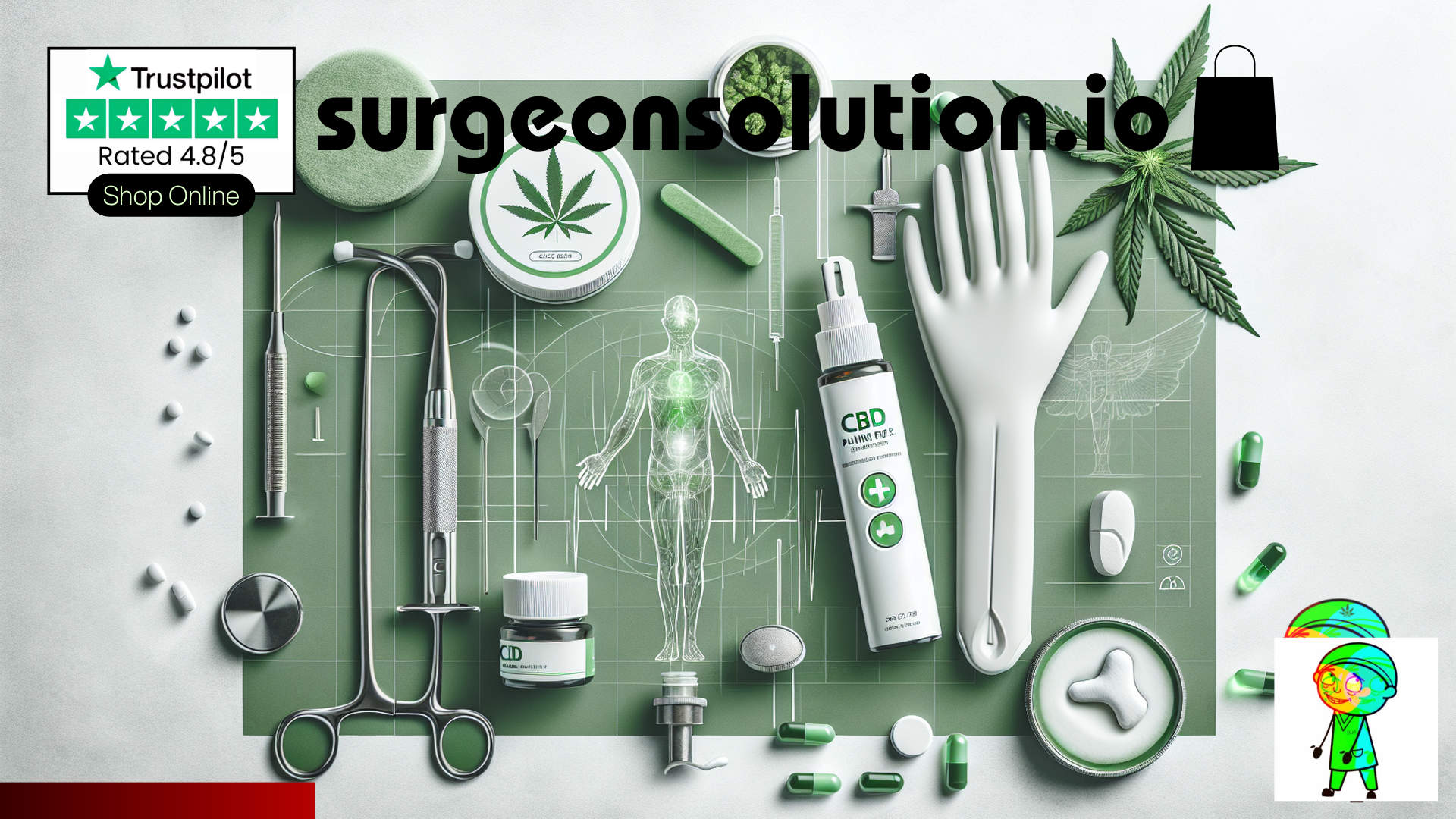
A CBD pain relief stick is a topical product infused with cannabidiol (CBD) and other beneficial ingredients, designed to be applied directly to the skin in a convenient stick format—similar to a deodorant or lip balm applicator. The CBD is typically suspended in a carrier base that may include botanical oils, butters, and complementary ingredients like menthol or arnica to enhance the relief experience.
The stick format offers several advantages over traditional CBD products. Unlike tinctures that require precise dosing or capsules that affect your entire system, pain relief sticks provide localized support exactly where you apply them. This targeted approach has made them increasingly popular among fitness enthusiasts, older adults, and anyone seeking discreet, portable pain management options.
What sets CBD pain relief sticks apart from other topical CBD products is their delivery mechanism and ease of use. While CBD creams and salves require rubbing and can leave residue on your hands, stick applicators allow for clean, controlled application without mess. And unlike oils that may stain clothing or require mixing, sticks are ready to use instantly.
Topical application is particularly preferred for localized pain because CBD and other cannabinoids interact with receptors in the skin and surrounding tissues. This means you’re addressing discomfort right at the source, rather than relying on systemic absorption through the digestive or respiratory system.
How CBD Pain Relief Sticks Work
To understand how a CBD pain relief stick delivers relief, it helps to know how cannabinoids interact with your body’s systems. Your skin contains numerous cannabinoid receptors (part of what’s called the endocannabinoid system), which respond to CBD and other phytocannabinoids found in hemp plants.

When you apply a CBD pain relief stick to your skin, the cannabinoids interact with these localized receptors without entering your bloodstream in significant amounts. This is a crucial distinction: topical CBD products work locally on the skin and underlying tissues, not systemically throughout your body. That’s why you won’t experience psychoactive effects, and why topical applications are often preferred by those concerned about systemic impacts.
The difference between full-spectrum and isolate CBD also matters for pain relief. Full-spectrum products contain CBD along with other hemp compounds like minor cannabinoids, terpenes, and plant compounds. Many users report that these additional components work synergistically—a phenomenon sometimes called the “entourage effect”—potentially enhancing the overall relief experience. Isolate products contain only pure CBD, which works well for some users but may lack these complementary compounds.
Most users report feeling noticeable relief within 15-30 minutes of application, though individual responses vary based on factors like skin sensitivity, the specific formulation, and the nature of your discomfort. Some people experience peak effects within 1-2 hours.
Benefits of Using CBD Pain Relief Sticks
The primary advantage of a CBD pain relief stick is its ability to provide targeted relief for specific areas. Whether you’re experiencing tension in your neck, soreness in your joints, or muscle fatigue in your back, you can apply the stick directly to that area for localized support. This precision makes pain relief sticks especially valuable for athletes and active individuals who know exactly where they need support.

Beyond targeted application, CBD pain relief sticks offer a non-invasive alternative to traditional pain management approaches. They don’t require needles, prescriptions, or oral medications that might interact with other substances you’re taking. For many adults seeking natural options, this represents a meaningful shift toward supporting their wellness on their own terms.
The convenience factor cannot be overstated. A pain relief stick fits easily in your gym bag, desk drawer, car, or pocket. This portability means you can address discomfort whenever and wherever it occurs—during a work break, after exercise, or while traveling—without drawing attention or requiring special preparation.
Additional benefits include:
- No psychoactive effects: Topical CBD won’t create the “high” associated with THC, so you can use it anytime without impacting your mental clarity or daily activities
- Minimal drug interactions: Topical products bypass your digestive system, reducing the likelihood of interactions with medications you might be taking
- Clean ingredient profiles: Quality CBD pain relief sticks from reputable brands feature natural formulations free from synthetic additives or harsh chemicals
- Skin-friendly application: The stick format minimizes mess and allows for precise application without wasting product
How to Choose the Right CBD Pain Relief Stick
Selecting the right CBD pain relief stick requires understanding several key factors that impact both effectiveness and value. Let’s break down what to look for when evaluating your options.
Understanding CBD Potency Levels
CBD pain relief sticks come in various potency levels, typically ranging from 500mg to 4000mg of CBD per stick or container. A 500mg stick works well for those new to topical CBD or with mild, occasional discomfort. Mid-range options like 2000mg provide more robust relief for regular users experiencing moderate discomfort. Higher potency sticks (3000mg-4000mg) are ideal for those with significant, chronic discomfort or who’ve established that they respond well to CBD.
When comparing potency, also consider the stick’s total application capacity. A 2000mg stick might last longer and provide better value per application than a smaller option, depending on how much product you use each time.
Full-Spectrum vs. Broad-Spectrum vs. Isolate
Full-spectrum CBD products contain the complete range of cannabinoids, terpenes, and plant compounds from the hemp plant, which many users find most effective. Broad-spectrum products are filtered to remove THC while retaining other beneficial compounds. Isolate products contain only pure CBD.
For pain relief specifically, many users prefer full-spectrum formulations because the additional compounds may work together to enhance effectiveness. However, if you’re concerned about trace amounts of THC or prefer a simpler formulation, broad-spectrum or isolate options are perfectly valid choices.
Third-Party Testing and Transparency
Quality matters significantly when choosing a CBD pain relief stick. Look for brands that provide third-party lab testing results—independent verification that the product contains the CBD amount claimed and is free from contaminants like heavy metals, pesticides, and harmful microorganisms.
Reputable companies, like those based in Michigan such as Surgeons, LLC, make these lab results readily available and clearly display compliance with state regulations. This transparency is your assurance that you’re getting a legitimate, safe product.
Additional Pain-Relief Ingredients
Many quality CBD pain relief sticks include complementary ingredients that enhance the relief experience. Common additions include:
- Menthol: Provides a cooling sensation that many find soothing for muscle and joint discomfort
- Arnica: A traditional botanical known for supporting recovery and comfort
- Camphor: Offers warming properties that complement CBD’s localized support
- Essential oils: Lavender, eucalyptus, or peppermint can enhance both the sensory experience and relief potential
Consider which additional ingredients align with your preferences and needs. Some people prefer cooling formulations; others respond better to warming products.
Michigan-Based Sourcing and Compliance Standards
Choosing a Michigan-based CBD company ensures you’re supporting local business while benefiting from products created under strict state compliance standards. Michigan has established itself as a leader in regulated hemp production, and companies operating in Mount Clemens and throughout the state must meet rigorous quality requirements.
Look for brands that clearly state their sourcing practices, extraction methods, and compliance certifications. This level of detail indicates a company that takes quality and customer safety seriously.
Price-Per-Mg Value Comparison
While price matters, the true value lies in cost per milligram of CBD. A 500mg stick at $25 costs $0.05 per mg, while a 2000mg stick at $60 costs $0.03 per mg—significantly better value. However, balance this calculation against quality factors and potency levels that align with your needs.
Application Tips for Maximum Effectiveness
Getting the most from your CBD pain relief stick involves proper application technique and understanding how to optimize absorption. Here’s what you need to know for best results.

Proper Application Technique
Apply your CBD pain relief stick directly to clean, dry skin over the area experiencing discomfort. Use steady, gentle pressure to create an even layer—you don’t need a thick application. A typical application uses about the amount of a stick movement or two, roughly the size of a coin when spread across the skin.
After application, you can lightly massage the area to help with absorption and distribution. Allow a minute or two before dressing or moving, giving the product time to settle into the skin.
Best Areas for Different Pain Types
For joint discomfort, apply directly over the joint area—knees, elbows, shoulders, wrists, or ankles. For muscle soreness, focus on the muscle belly where the discomfort is most pronounced. For neck or back tension, apply along the affected muscles on either side of your spine (not directly on the spine itself).
The beauty of topical application is that you can be incredibly precise, addressing exactly where you need support without affecting surrounding areas.
Frequency of Application
Most users find that reapplying every 4-6 hours provides consistent relief throughout the day. Some apply once in the morning and once in the evening; others use it as needed when discomfort arises. Start with one application and monitor how long the effects last for you personally—individual response times vary.
Skin Preparation and Absorption Optimization
Clean, dry skin absorbs topical products most effectively. If the area is dirty or sweaty, rinse it gently and pat dry before application. Avoid applying over broken skin, open wounds, or areas with active rashes or irritation.
Some users find that slightly warm (but not hot) skin absorbs products more readily. A quick warm shower or heating pad applied before CBD application can enhance absorption, though it’s not necessary for effectiveness.
When to Expect Noticeable Results
Most users notice effects within 15-30 minutes, with peak relief typically occurring within 1-2 hours. However, CBD works best when used consistently rather than sporadically. If you’re new to CBD pain relief sticks, give yourself at least one week of regular use before assessing effectiveness, as some users report improved results with consistent application over time.
Surgeons Choice CBD Pain Relief Stick Options
Surgeons, LLC, the Mount Clemens-based CBD company, offers several excellent topical options designed to meet different needs and budgets. Each product reflects the company’s commitment to quality, transparency, and customer satisfaction.
Surgeons Choice CBD Hemp Freeze Pro 500mg
The CBD Hemp Freeze Pro 500mg is the ideal entry-level option for those new to topical CBD relief. This product delivers 500mg of premium hemp-derived CBD in a convenient stick format with a refreshing cooling sensation from menthol and other cooling botanicals.
This option is perfect if you experience occasional discomfort, prefer to start with a lower potency, or want to test whether CBD topicals work well for your body before committing to a higher-potency product. At approximately $0.04-0.05 per mg, it offers solid value while allowing you to experience the benefits of quality CBD pain relief.
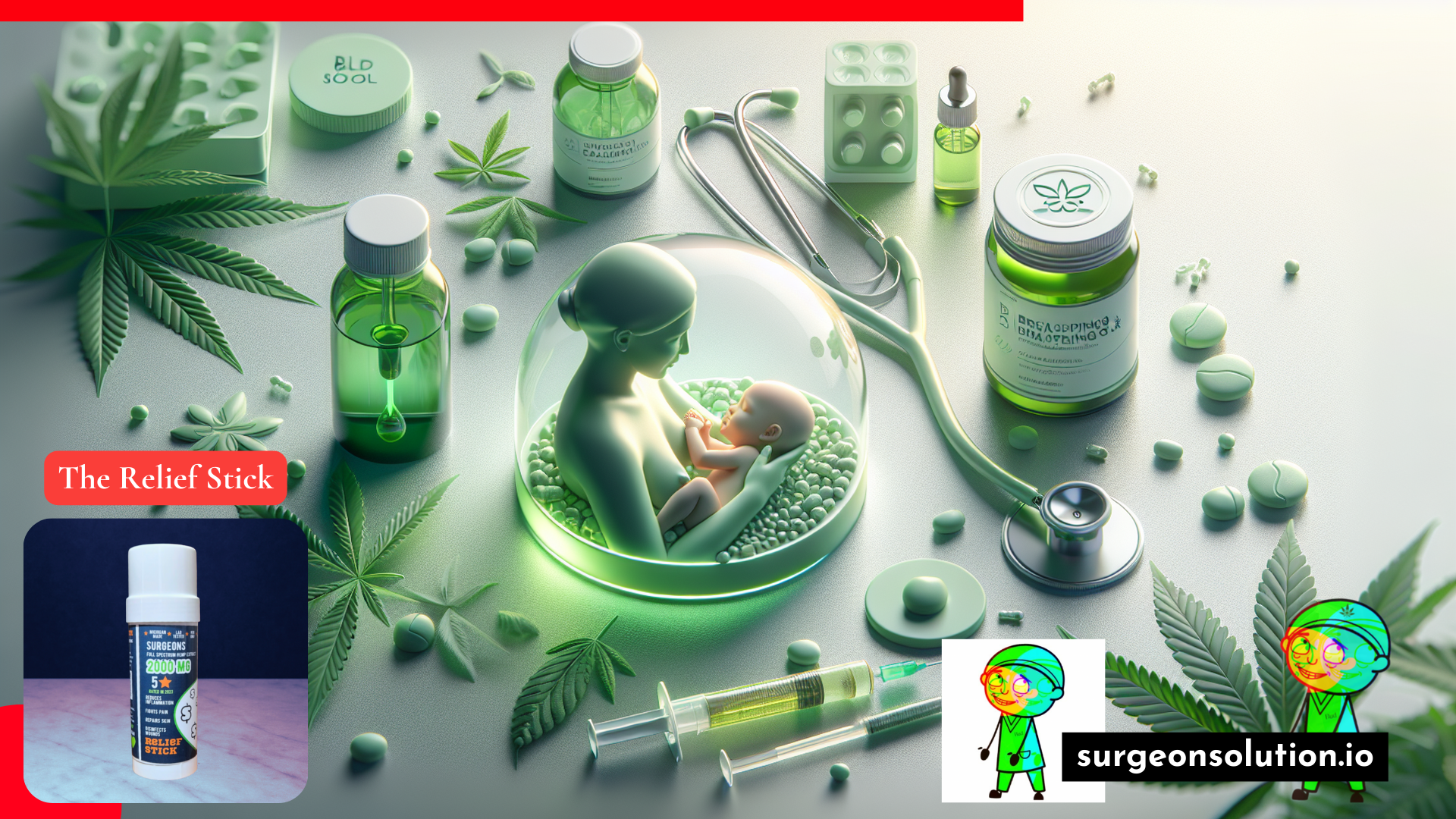
Relief Stick 2000mg Full Spectrum CBD & Hemp
The Relief Stick 2000mg Full Spectrum CBD & Hemp represents the sweet spot for most regular users. This mid-range solution provides four times the CBD of the entry-level option while maintaining an excellent price-per-mg ratio. The full-spectrum formulation includes the complete range of hemp compounds, potentially enhancing overall effectiveness through the entourage effect.
This product is ideal if you use topical CBD regularly, experience moderate to significant discomfort, or have confirmed that CBD works well for your body. Many athletes and fitness enthusiasts favor this potency level for post-workout recovery and muscle support.
4000mg Full Spectrum CBD Special Sauce
For those requiring maximum strength support, the 4000mg Full Spectrum CBD Special Sauce delivers the highest potency available from Surgeons, LLC. This premium option is formulated with special sauce hemp strain, known for its robust cannabinoid profile and aromatic terpene blend.
This product is best suited for individuals with chronic, significant discomfort who’ve established that they respond well to CBD and need substantial relief. The higher potency also offers excellent long-term value despite the higher initial price point.
Comparing Your Options
When deciding between Surgeons, LLC’s offerings, consider your discomfort level, frequency of use, and budget. Create a free account on surgeonsolution.io to see current pricing, compare potencies side-by-side, and take advantage of exclusive VIP loyalty rewards and early access to new products.
If you’re uncertain which option best matches your needs, our AI wellness assistant BUD can help. Chat directly with BUD at ai.surgeonsolutions.org/chat for personalized cannabinoid recommendations based on your specific situation and preferences.
Frequently Asked Questions About CBD Pain Relief Sticks
Will CBD Show Up on a Drug Test?
Standard drug tests look for THC, not CBD. However, some full-spectrum CBD products contain trace amounts of THC (typically less than 0.3% by federal law). While this small amount shouldn’t trigger a positive result on standard drug screenings, if you’re concerned about THC detection—particularly if you undergo frequent drug testing for employment—broad-spectrum or isolate options eliminate this consideration entirely. Surgeons, LLC provides full lab testing results, so you can verify exactly what’s in your chosen product.
Can I Use a CBD Pain Relief Stick With Other Medications?
Topical CBD products have minimal systemic absorption, making drug interactions unlikely compared to oral CBD products. However, if you’re taking medications, consulting with your healthcare provider before adding any new wellness product is always prudent. They can review your specific medications and advise based on your individual health situation. Topical application is generally considered low-risk since CBD doesn’t enter your bloodstream in significant amounts.
How Long Do the Effects Last?
Most users experience relief lasting 4-6 hours after application, though this varies based on individual metabolism, the specific product’s formulation, potency, and the nature of your discomfort. Some people find effects persist longer with consistent use over several days. Starting with regular applications to establish your personal pattern helps optimize when to reapply for continuous relief.
Is There a Risk of Skin Irritation?
Quality CBD pain relief sticks use skin-friendly ingredients and are generally well-tolerated. However, everyone’s skin is different. If you have sensitive skin or known allergies to any ingredients listed on the product label, perform a patch test on a small area first. Discontinue use immediately if you experience redness, itching, or irritation. Premium products from reputable Michigan-based companies like Surgeons, LLC minimize irritation risk through careful ingredient selection and third-party testing.
What’s the Shelf Life and Proper Storage?
Most CBD pain relief sticks remain pot
Disclaimer: These statements have not been evaluated by the Food and Drug Administration. This product is not intended to diagnose, treat, cure, or prevent any disease. Consult your physician before starting any new supplement.