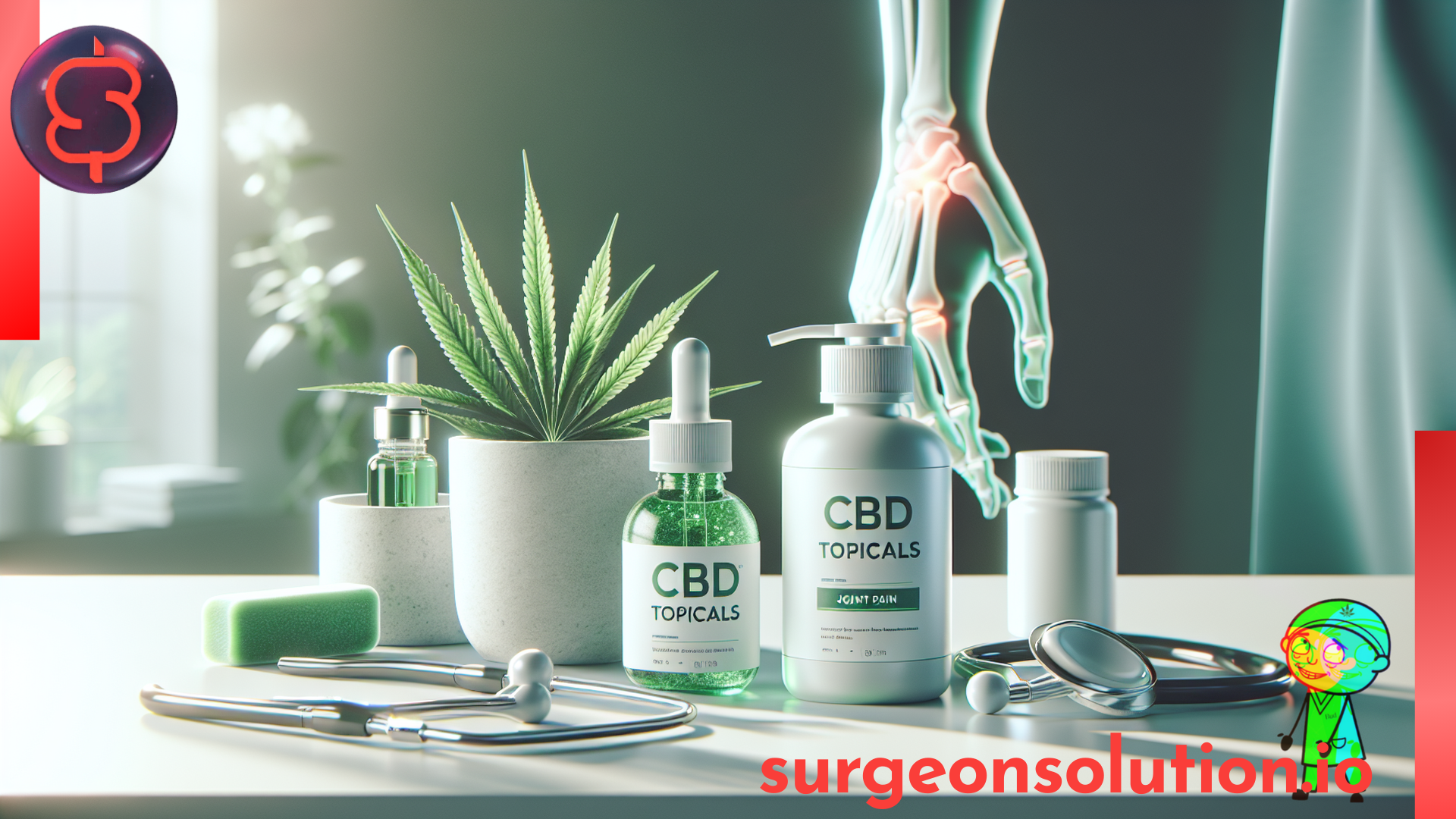
CBD Topicals for Joint Pain: Complete Guide to Natural Relief
For those seeking natural alternatives to manage discomfort, CBD topicals for joint pain have emerged as a promising solution that offers targeted relief without the systemic effects of oral medications. Unlike traditional pain relievers that must circulate through your entire body, these specialized products work directly at the source of discomfort, providing localized support exactly where you need it most.
Joint pain affects millions of Americans daily, from weekend warriors dealing with exercise-induced inflammation to seniors managing arthritis symptoms. The search for effective, natural relief has led many to discover the unique benefits of cannabidiol (CBD) applied directly to the skin.
Understanding CBD Topicals for Joint Pain Relief
CBD topicals work fundamentally differently from oral CBD products, offering distinct advantages for joint-specific discomfort. When you apply a CBD topical to your skin, the cannabinoids interact with local receptors without entering your bloodstream in significant amounts.
The science behind topical absorption centers on the skin’s endocannabinoid system. Your skin contains CB1 and CB2 receptors that can bind with CBD molecules, potentially influencing local inflammation and pain signals. This targeted approach allows for concentrated relief at the application site.
What makes topicals ideal for joint pain relief is their ability to deliver CBD directly to affected areas. Whether you’re dealing with knee stiffness after a morning run or wrist discomfort from repetitive motions, you can apply the product precisely where symptoms occur.
Compared to traditional topical pain relievers that often rely on menthol or capsaicin for temporary cooling or heating sensations, CBD topicals may address underlying inflammation processes. This fundamental difference in approach has made them increasingly popular among those seeking more comprehensive joint support.
How CBD Topicals Target Joint Pain and Inflammation
When CBD topicals are applied to the skin, they interact with cannabinoid receptors in a localized manner. The skin’s CB2 receptors, in particular, are associated with immune response and inflammation regulation, making them key players in joint health.

Research suggests that CBD possesses anti-inflammatory properties that may be particularly beneficial for joint conditions. Unlike systemic anti-inflammatory medications that affect your entire body, topical application allows for concentrated anti-inflammatory action at the site of application.
The targeted application benefits extend beyond just avoiding systemic effects. By applying CBD directly to troubled joints, you can potentially achieve higher local concentrations of the compound where it’s needed most, while minimizing exposure to other body systems.
Studies on CBD for arthritis and joint conditions, while still emerging, have shown promising results. Research published in various pain management journals has explored CBD’s potential role in managing inflammation associated with joint conditions, though more clinical trials are needed to fully understand its mechanisms.
Types of CBD Topicals for Different Joint Pain Needs
CBD balms and salves offer deep penetration capabilities, making them excellent choices for persistent joint discomfort. These thicker formulations typically contain carrier oils and waxes that help CBD molecules penetrate deeper into tissue layers.

For acute pain situations, cooling gels and freeze formulations provide immediate relief sensations while delivering CBD benefits. Products like the Surgeons Choice CBD Hemp Freeze Pro 500mg combine the cooling effects of menthol with CBD’s potential anti-inflammatory properties for comprehensive relief.
The choice between full spectrum and isolate topicals can significantly impact effectiveness. Full spectrum products contain additional cannabinoids, terpenes, and compounds that may work synergistically with CBD through what’s known as the “entourage effect.”
Specialized formulations often incorporate complementary ingredients like arnica, eucalyptus, or lavender. The Lavender Pain Balm 500mg Full Spectrum CBD exemplifies this approach, combining CBD with lavender’s traditionally soothing properties for enhanced comfort.
Choosing the Right Consistency
Balms work best for dry areas and provide longer-lasting coverage, while gels absorb quickly and won’t leave residue on clothing. Salves fall somewhere in between, offering good penetration with moderate absorption time.
Your lifestyle and specific needs should guide your choice. Active individuals might prefer quick-absorbing gels, while those with chronic conditions might benefit from the sustained release of thicker balms.
How to Choose the Best CBD Topicals for Joint Pain
Potency considerations play a crucial role in product selection, with formulations ranging from 500mg for mild discomfort to 4000mg for more intensive needs. The 4000mg Full Spectrum CBD Special Sauce represents the higher end of potency options for those requiring maximum strength relief.

Full spectrum benefits often outweigh those of isolate products due to the entourage effect. The additional cannabinoids and terpenes in full spectrum products may enhance CBD’s effectiveness and provide additional therapeutic benefits.
When evaluating products, look for additional therapeutic ingredients that complement CBD’s effects. Natural anti-inflammatory compounds like turmeric, cooling agents like menthol, or soothing botanicals can enhance overall effectiveness.
Quality markers include third-party laboratory testing, which verifies potency and purity. Reputable companies provide certificates of analysis showing cannabinoid profiles and confirming the absence of pesticides, heavy metals, and other contaminants.
Michigan-sourced hemp offers advantages in terms of quality control and traceability. Products made from locally grown hemp in Michigan benefit from the state’s strict agricultural standards and shorter supply chains that help maintain product freshness.
Reading Labels Effectively
Always check the CBD content per serving or application. Some products list total CBD in the container, while others specify concentration per dose. Understanding this difference helps ensure you’re getting the potency you expect.
Ingredient lists should be transparent and easy to understand. Avoid products with excessive artificial additives or ingredients you can’t identify.
Proper Application Techniques for Maximum Relief
Start with clean, dry skin for optimal absorption. Gently cleanse the area with mild soap and pat dry before application to remove any barriers that might impede CBD absorption.

Apply a small amount initially – about the size of a pea for a joint area like a knee or elbow. You can always add more if needed, but starting conservatively helps you gauge your individual response.
Massage the product into your skin using circular motions for 30-60 seconds. This mechanical action not only improves absorption but also increases blood flow to the area, potentially enhancing the product’s effects.
For best results, apply CBD topicals when you first notice discomfort rather than waiting for pain to intensify. Preventive application before activities that typically trigger joint pain can also be effective.
Consider combining topical CBD with other pain management strategies like gentle stretching, heat therapy, or rest. This comprehensive approach often yields better results than relying on any single intervention.
Timing and Frequency
Most people find relief within 15-45 minutes of application. Effects typically last 2-4 hours, making reapplication necessary for ongoing comfort throughout the day.
For personalized guidance on application techniques and product selection, you can chat directly with BUD, our AI wellness assistant, at ai.surgeonsolutions.org/chat for tailored recommendations based on your specific needs and lifestyle.
What to Expect: Timeline and Results
Immediate effects from CBD topicals often include mild cooling or warming sensations, depending on the formulation. Some people notice initial comfort within minutes, while the full anti-inflammatory effects may take longer to develop.
Long-term effects typically become more apparent with consistent use over days or weeks. Many users report that regular application helps maintain baseline comfort levels and reduces the frequency of pain flares.
Realistic expectations are important for satisfaction with CBD topicals. While many people experience significant relief, results vary based on individual factors including skin type, severity of discomfort, and the specific joint condition being addressed.
Signs that a product is working effectively include reduced stiffness, improved range of motion, and decreased discomfort during daily activities. Keep a simple log of your symptoms and applications to track improvements over time.
If you don’t notice benefits after two weeks of consistent use, consider adjusting your dosage, trying a different potency, or switching to a different formulation type.
Safety and Considerations for CBD Topical Use
Skin sensitivity can occur with any topical product, so perform a patch test before first use. Apply a small amount to your inner wrist or elbow and wait 24 hours to check for any adverse reactions.
While CBD topicals are generally well-tolerated, interactions with other topical medications are possible. If you’re using prescription topical treatments, space applications by at least 30 minutes or consult your healthcare provider.
CBD topicals are considered safe for most age groups, including seniors who often experience joint discomfort. However, pregnant or nursing women should consult healthcare providers before use.
Consult healthcare providers if you have serious joint conditions, are taking multiple medications, or experience any unexpected reactions. While CBD topicals are generally safe, professional guidance ensures they complement your overall health management plan.
Frequently Asked Questions About CBD Topicals for Joint Pain
Will CBD topicals show up on drug tests?
CBD topicals are extremely unlikely to cause positive drug test results because they don’t enter your bloodstream in significant amounts. The localized application means cannabinoids remain primarily in skin tissue rather than circulating systemically.
Can I use CBD topicals with prescription medications?
CBD topicals generally don’t interact with oral medications since they work locally. However, if you’re using prescription topical treatments or blood thinners, consult your healthcare provider before adding CBD topicals to your routine.
How long do effects from CBD topicals last?
Most people experience effects for 2-4 hours per application. Factors like skin type, product potency, and the amount applied can influence duration. Some high-potency formulations may provide longer-lasting relief.
Are there any side effects from CBD topicals?
Side effects are rare and typically mild, including temporary skin irritation or redness at the application site. These reactions are more often related to other ingredients rather than CBD itself.
What’s the difference between hemp and CBD topicals?
Hemp topicals may contain minimal CBD and focus on hemp seed oil‘s moisturizing properties. CBD topicals specifically contain concentrated cannabidiol extracted from hemp plants for targeted therapeutic effects.
Here in Mount Clemens, Michigan, CBD Surgeons has built a reputation as a trusted source for premium hemp-derived products. Our commitment to quality and customer education has made us a go-to resource for Michigan residents seeking natural wellness solutions.
Ready to experience the targeted relief that CBD topicals can provide? Browse our complete selection of premium CBD topicals designed specifically for joint comfort and discover why Michigan residents trust CBD Surgeons for their natural wellness needs. Visit us at https://surgeonsolution.io to shop now and take the first step toward more comfortable, active days.
These statements have not been evaluated by the Food and Drug Administration. This product is not intended to diagnose, treat, cure, or prevent any disease.