Highest THC Percentage Ever Recorded: Cannabis Potency Records & Facts
Cannabis potency has reached unprecedented levels in recent years, with the highest THC percentage ever recorded in laboratory testing hitting remarkable peaks that would have been unimaginable just decades ago. Understanding these potency records provides valuable insight into cannabis cultivation advances, testing methodologies, and what consumers can realistically expect from today’s products.
Whether you’re a cannabis enthusiast, researcher, or someone exploring legal alternatives, this comprehensive guide breaks down everything you need to know about THC potency records and the science behind them.
What Is the Highest THC Percentage Ever Recorded?
The current world record for THC potency in flower form reaches an astounding 35-40% range, with some laboratory reports claiming even higher percentages under specific testing conditions. These exceptional results typically come from carefully cultivated indoor specimens tested at peak harvest timing.
Notable strains that have achieved record-breaking potency include Godfather OG, which has tested at over 38% THC, and various phenotypes of Girl Scout Cookies and Gorilla Glue #4 that have reached the upper 30% range. However, it’s crucial to understand that these peak laboratory results rarely translate to commercial availability.
The difference between laboratory record-holders and what consumers can purchase is significant. Most commercial cannabis, even premium varieties, typically ranges between 20-28% THC due to factors like mass cultivation techniques, storage, and transportation that can affect final potency.
Evolution of Cannabis Potency Over Time
The journey from vintage cannabis to today’s high-potency varieties tells a fascinating story of agricultural innovation. In the 1970s, average THC levels hovered around 3-5%, with even the strongest varieties rarely exceeding 10%.

Modern selective breeding techniques have revolutionized cannabis potency through careful genetic selection, controlled pollination, and advanced cultivation methods. Growers now manipulate factors like lighting, nutrients, and environmental conditions to maximize cannabinoid production.
Legalization has dramatically accelerated potency increases by enabling legitimate research, standardized testing, and professional cultivation facilities. States like Michigan have seen average potency levels rise consistently since legalization, with many dispensary products now routinely testing above 25% THC.
Regional differences in average THC content often reflect local regulations, climate conditions, and market preferences, with indoor cultivation generally producing higher potency than outdoor grows.
How THC Potency Testing Actually Works
Laboratory testing for THC potency involves sophisticated analytical techniques, primarily High-Performance Liquid Chromatography (HPLC) and Gas Chromatography-Mass Spectrometry (GC-MS). These methods provide precise measurements of various cannabinoids present in cannabis samples.

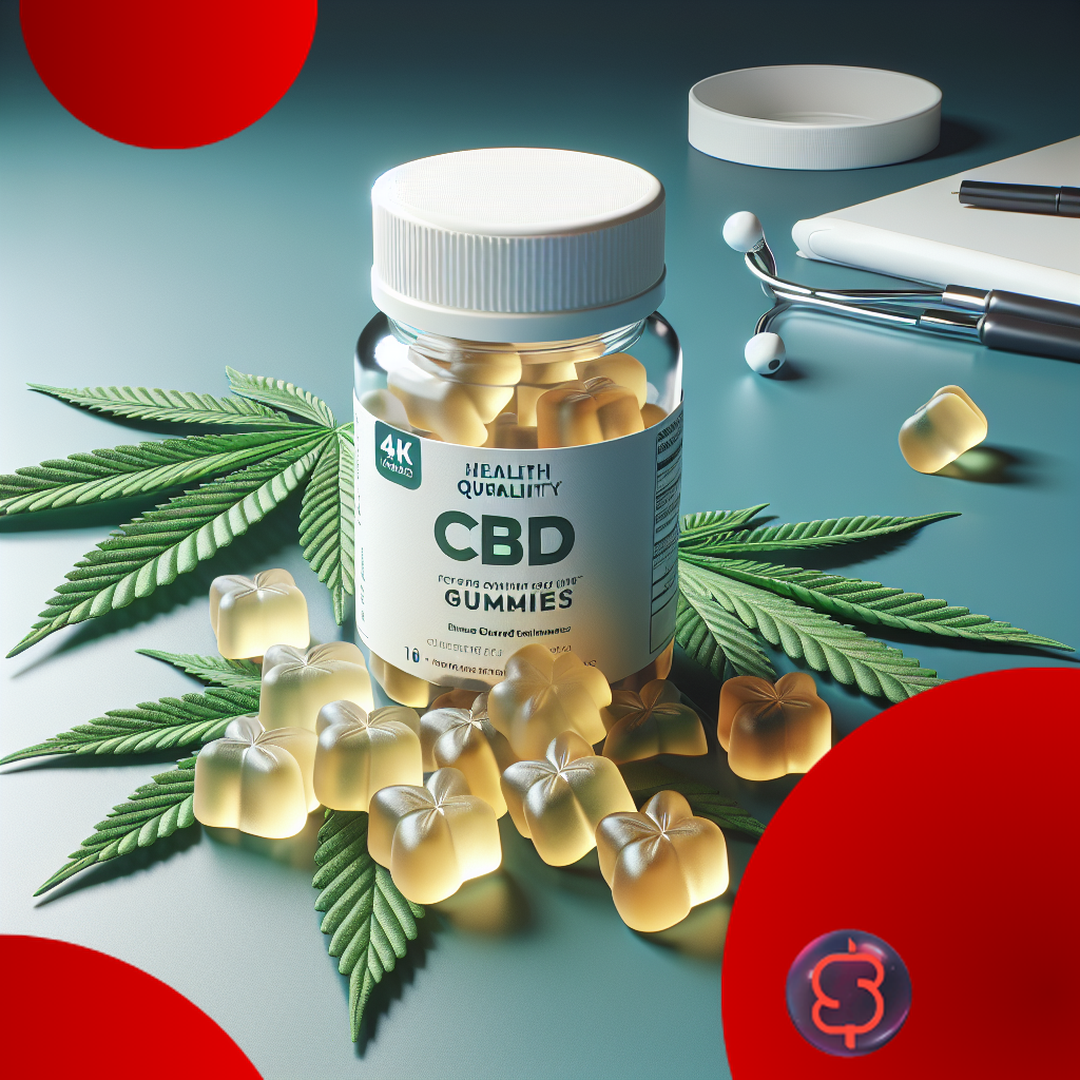
Classic Full Spectrum CBD Infused Gummy Bears
$24.99 – $69.99
Classic CBD gummy bears in various potency options
The testing process requires careful sample preparation, including proper drying and grinding to ensure representative results. Factors like sample storage, laboratory conditions, and technician expertise can all influence measurement accuracy.
Understanding the difference between THCA (tetrahydrocannabinolic acid) and THC is crucial for interpreting test results. Most laboratory reports show “Total THC,” which includes both activated THC and THCA converted through decarboxylation calculations.
Home testing kits, while convenient, lack the precision and standardization necessary for accurate potency measurements. Professional laboratory testing remains the gold standard for reliable THC percentage determination.
Safety Considerations for High-THC Cannabis
Ultra-high THC cannabis requires careful consideration regarding dosage and tolerance levels. Consumers accustomed to lower-potency products may experience unexpected effects when using varieties exceeding 30% THC.

Potential adverse effects of high-THC cannabis can include anxiety, paranoia, and impaired cognitive function, particularly in inexperienced users or those with low tolerance. Starting with small amounts and gradually increasing dosage helps minimize risks.
The importance of terpenes and other cannabinoids cannot be overstated when discussing cannabis effects. Products with balanced cannabinoid profiles often provide more pleasant experiences than those focusing solely on maximum THC content.
For therapeutic applications, higher THC isn’t always better. Many medical cannabis patients find that moderate THC levels combined with CBD and other cannabinoids provide optimal relief without overwhelming psychoactive effects.
Legal Landscape and THC Limits by State
Federal regulations maintain a strict 0.3% THC limit for hemp-derived products, creating a clear distinction between legal hemp CBD products and regulated cannabis. This threshold ensures that hemp products won’t produce intoxicating effects while allowing beneficial cannabinoids like CBD.

Full Spectrum CBG + CBN + CBD Gummies
$39.99 – $89.99
Triple cannabinoid formula for comprehensive benefits
Michigan’s cannabis laws permit much higher THC levels for licensed recreational and medical products, with dispensaries in Mount Clemens and throughout the state offering various potency options. The state’s robust testing requirements ensure accurate labeling and consumer safety.
Potency limits vary significantly across legal states, with some implementing caps on THC concentration while others focus on packaging, labeling, and testing requirements. These variations reflect different approaches to balancing consumer access with public safety concerns.
The impact of these regulations on product development has been substantial, encouraging innovation in extraction techniques, product formulations, and cultivation methods while maintaining compliance standards.
What to Look For in Cannabis Potency Testing
Third-party laboratory certification represents the cornerstone of reliable potency testing. Reputable testing facilities maintain strict quality control standards and use validated analytical methods to ensure accurate results.
Understanding Certificate of Analysis (COA) documents is essential for informed cannabis consumption. These reports detail not only THC and CBD levels but also potential contaminants, terpene profiles, and testing dates.
Red flags in potency claims include suspiciously high percentages without proper documentation, outdated test results, or vague testing information. Legitimate products always provide detailed laboratory data from certified facilities.
Consistent testing standards across the industry help consumers make informed decisions and ensure product safety. Look for laboratories that follow ISO standards and participate in proficiency testing programs.
Legal Alternatives: CBD Products and Full Spectrum Options
For those seeking cannabinoid benefits without high THC content, full spectrum CBD products offer an excellent alternative. These products contain the federally legal limit of 0.3% THC while providing the potential benefits of the entourage effect.
The entourage effect suggests that cannabinoids work synergistically, with small amounts of THC potentially enhancing CBD’s therapeutic properties. This makes full spectrum CBD oil particularly appealing for wellness-focused consumers.
Quality considerations for CBD products include third-party testing, organic sourcing, and extraction methods. Hemp-derived CBD products offer many potential benefits without the legal complexities associated with high-THC cannabis.
Michigan-based companies have advantages in sourcing and quality control, with local oversight and shorter supply chains often resulting in fresher, more potent products. Mount Clemens has become a hub for quality hemp processing, benefiting from the state’s agricultural expertise.
For personalized guidance on choosing the right cannabinoid products for your needs, consider chatting with BUD, an AI wellness assistant available at ai.surgeonsolutions.org/chat, which can provide tailored recommendations based on your specific wellness goals.
Frequently Asked Questions About THC Potency
Can THC percentages exceed 40%?
While laboratory tests have occasionally reported THC levels above 40%, these results are extremely rare and often represent optimal testing conditions rather than typical product potency. Most experts consider 35-40% to be the practical upper limit for flower-based cannabis products.
How accurate are dispensary potency labels?
Dispensary labels in regulated markets like Michigan are generally accurate due to mandatory testing requirements. However, potency can vary slightly between different batches of the same strain, and storage conditions may affect THC levels over time.
What’s the difference between indoor and outdoor THC levels?
Indoor cultivation typically produces higher THC percentages due to controlled environmental conditions, optimized lighting, and protection from weather variables. Outdoor cannabis often has lower but more consistent cannabinoid profiles with enhanced terpene development.
Are high-THC concentrates safe for beginners?
High-THC concentrates are generally not recommended for beginners due to their potency and rapid onset. New users should start with lower-potency flower or consider CBD-dominant products like CBD gummies to gauge their tolerance and sensitivity.
How does storage affect THC potency over time?
Proper storage in cool, dark, and dry conditions helps maintain THC potency, while exposure to light, heat, and moisture can degrade cannabinoids over time. THC naturally converts to CBN during storage, gradually reducing potency and altering effects.
Understanding the highest THC percentage ever recorded provides valuable context for cannabis potency developments and consumer expectations. Whether you’re interested in high-potency cannabis or prefer legal hemp-derived alternatives, quality testing and reputable sources remain paramount for safe, effective products.
Ready to explore premium hemp-derived CBD products with reliable potency testing? Browse our selection of full spectrum CBD oils and CBD gummies at CBD Surgeons, Michigan’s trusted source for quality cannabinoid products. Visit surgeonsolution.io to shop now and discover the difference that local sourcing and rigorous testing make in your wellness journey.
FDA Disclaimer: The statements made regarding these products have not been evaluated by the Food and Drug Administration. These products are not intended to diagnose, treat, cure, or prevent any disease. Please consult your healthcare provider before using any hemp-derived products, especially if you are pregnant, nursing, or have any medical conditions.