
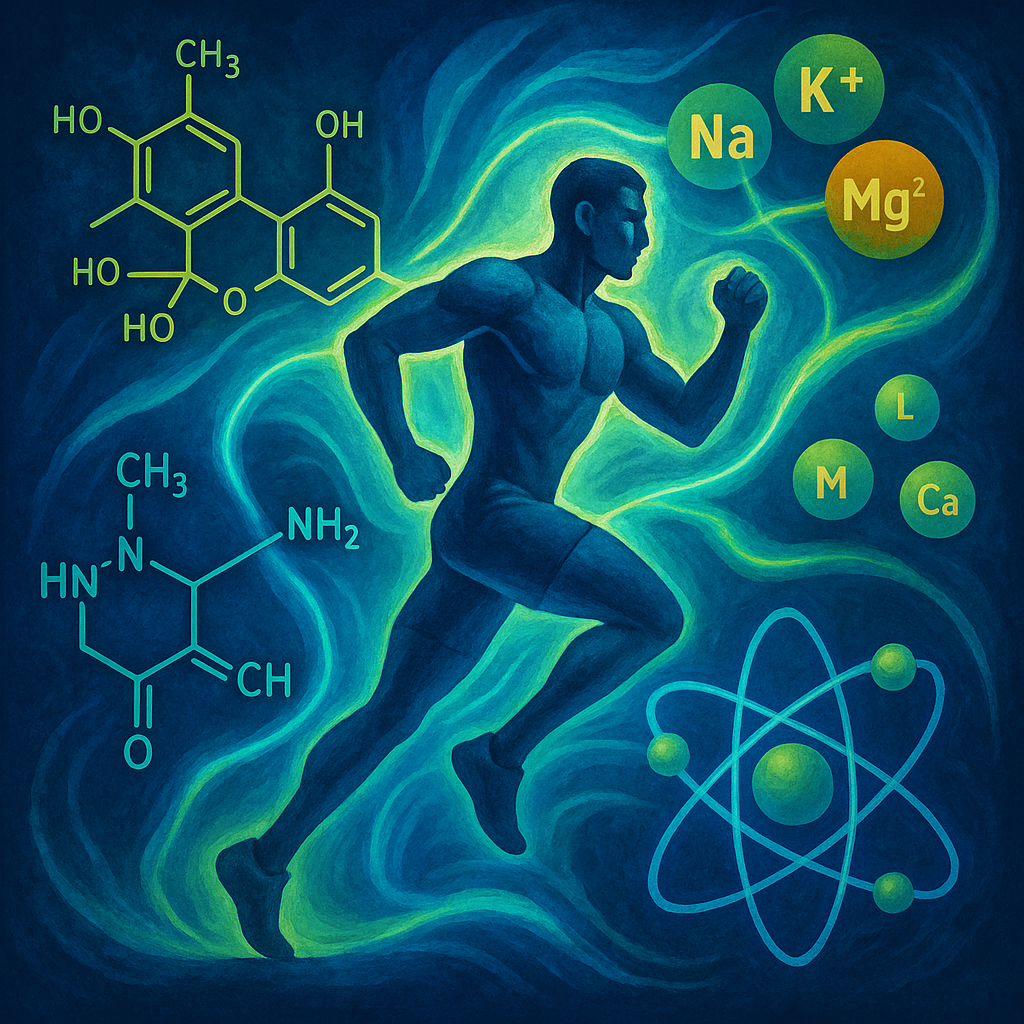

CBD with Creatine/Electrolytes: Safe Stacks
TL;DR: Discover how combining CBD with creatine and electrolytes may support athletic performance and recovery. Learn about potential benefits, safety considerations, and implementation strategies.
Understanding CBD for Athletic Performance

CBD (cannabidiol) has gained significant attention in sports circles for its potential to support recovery and performance. Unlike THC, CBD doesn’t produce intoxicating effects, making it appealing for athletes seeking natural wellness support. Many athletes incorporate CBD into their regimens to potentially help with exercise-induced inflammation and promote better sleep quality. As outlined in “Advanced Cannabinoid Wellness: CBD” resources, this compound interacts with the body’s endocannabinoid system, which plays a role in regulating various physiological processes including pain perception, mood, and immune function. For those wondering about broader applications, “A Comprehensive Guide to CBD and CBG: Promising Alternatives” offers insights into how these cannabinoids may benefit various aspects of wellness beyond athletics. When considering CBD products, athletes should look for third-party tested options to ensure quality and compliance with sports regulations.
Creatine: The Proven Performance Enhancer

Creatine stands as one of the most researched and effective supplements for enhancing athletic performance. This naturally occurring compound helps regenerate adenosine triphosphate (ATP), the primary energy currency of cells, particularly during high-intensity, short-duration activities. For strength athletes and those engaged in explosive movements, creatine supplementation may increase power output, muscle mass, and training capacity. The Academy of Nutrition and Dietetics recognizes creatine monohydrate as both safe and effective when used appropriately. Most research suggests a loading phase of 20g daily (divided into 4 doses) for 5-7 days, followed by a maintenance dose of 3-5g daily. When combined with CBD, there’s growing interest in how creatine’s performance-enhancing properties might complement CBD’s potential recovery benefits, creating a comprehensive approach to athletic support that addresses both performance and recovery aspects.
Electrolytes: Essential for Hydration and Performance

Electrolytes—including sodium, potassium, magnesium, and calcium—are crucial for maintaining proper fluid balance, muscle function, and nerve signaling during exercise. Intense training sessions that produce significant sweat loss can deplete these essential minerals, potentially leading to decreased performance and increased recovery time. Many athletes utilize electrolyte supplements before, during, and after workouts to maintain optimal hydration status. When considering supplementation options, the CART system (Consumption, Activity level, Recovery needs, and Training environment) can help determine individual electrolyte requirements. Combining electrolytes with CBD may offer complementary benefits, as proper electrolyte balance supports overall physical function while CBD may help with exercise-induced stress responses. This stack represents a holistic approach to performance nutrition that addresses multiple aspects of athletic needs simultaneously.
Potential Synergistic Benefits of CBD, Creatine, and Electrolytes
The combination of CBD, creatine, and electrolytes may offer synergistic benefits for athletes beyond what each component provides individually. While creatine powers performance and electrolytes maintain hydration, CBD may help modulate exercise-induced inflammation and support recovery. This three-pronged approach potentially addresses immediate performance needs while supporting long-term recovery and adaptation. Some athletes report that this combination helps them maintain consistent training intensity while potentially reducing recovery time between sessions. “About Natural Pain Relief: How surgeonsolution.io’s Full Spectrum products work” provides additional context for understanding how cannabinoids may complement traditional performance supplements. “Are Cannabinoids the Future of natural healthcare solutions?” This question becomes increasingly relevant as more athletes explore comprehensive approaches to performance and recovery that incorporate both traditional and emerging supplements.
Safety Considerations and Potential Interactions
When combining supplements, safety should be the primary concern. Currently, no direct negative interactions between CBD, creatine, and electrolytes have been documented in scientific literature. However, individual responses may vary. CBD is generally well-tolerated but may affect how the body processes certain medications through liver enzyme interactions. Athletes should consult healthcare providers before starting any supplement regimen, especially those competing in regulated sports where substance testing occurs. Third-party tested CBD products are essential to ensure they contain no THC or prohibited substances. For those comparing different wellness approaches, “Are THC Drinks Healthier Than Alcohol? The Ultimate Comparis” provides context on cannabinoid consumption methods. Timing may also matter—some athletes prefer taking creatine pre-workout, electrolytes during training, and CBD post-workout to align with each supplement’s potential benefits and minimize any theoretical interactions.
Implementation Strategies for Athletes
Implementing a CBD, creatine, and electrolyte stack effectively requires strategic timing and dosing. Many athletes find success by starting with each component individually before combining them, allowing for assessment of individual responses. For CBD, starting with lower doses (10-25mg) and gradually increasing may help identify optimal personal dosage. Creatine typically follows a loading protocol followed by maintenance dosing, while electrolyte needs vary based on sweat rate, training duration, and environmental conditions. “Best Daily Health Habits via Surgeons” includes recommendations that can complement supplement strategies. “A Comprehensive Guide to CBD for Autism: Navigating Benefits,” while focused on another application, offers insights into CBD dosing principles that may be relevant. Some athletes report benefits from taking creatine in the morning, electrolytes around workout times, and CBD in the evening to potentially support sleep quality. Keeping a training journal to track responses can help optimize this stack for individual needs.
FAQ
Can CBD affect creatine absorption or effectiveness?
Current research doesn’t indicate that CBD negatively impacts creatine absorption or effectiveness. These compounds work through different mechanisms in the body—creatine primarily affects energy production in muscle cells, while CBD interacts with the endocannabinoid system. Some athletes even report that CBD’s potential anti-inflammatory properties may complement creatine’s performance benefits by potentially supporting recovery between training sessions.
Will this combination cause me to fail a drug test?
Pure CBD isolate products shouldn’t cause a positive drug test for THC, but full-spectrum CBD products contain trace amounts of THC that could potentially accumulate and trigger a positive result. Athletes subject to drug testing should choose broad-spectrum or isolate CBD products that are third-party tested to confirm zero THC content. Creatine and electrolytes are not prohibited substances in sports and won’t cause failed drug tests.
What’s the optimal timing for taking this stack?
Many athletes take creatine daily regardless of training schedule to maintain muscle saturation. Electrolytes are most beneficial before, during, and after intense training sessions that involve significant sweating. CBD timing varies based on goals—some take it post-workout to potentially support recovery, while others use it in the evening to possibly promote better sleep quality. Experimenting with timing while tracking results can help determine your optimal schedule.
Are there specific forms of each supplement that work best together?
For creatine, monohydrate has the most research supporting its efficacy and safety. With electrolytes, formulations that include multiple minerals (sodium, potassium, magnesium, calcium) rather than just sodium are generally more comprehensive. For CBD, options include oils, capsules, and topicals—oils and capsules provide systemic effects, while topicals can be applied directly to specific muscle groups. The best forms depend on individual preferences, goals, and how your body responds.
How might this stack benefit endurance versus strength athletes?
Strength athletes may benefit most from creatine’s ability to enhance power output and support muscle growth, while CBD might help with recovery between intense training sessions. For endurance athletes, electrolyte replacement is crucial for sustained performance, and CBD may potentially help with exercise-induced inflammation during long training sessions. Both types of athletes might benefit from CBD’s potential to support sleep quality, which is essential for recovery regardless of sport type.
Combining CBD with creatine and electrolytes represents a promising approach for athletes seeking comprehensive support for performance and recovery. Before implementing this stack, consult with healthcare providers and start with quality, third-party tested products to ensure safety and effectiveness for your specific athletic goals.
Further reading
- Best Times to Take CBN for Optimal Sleep and Relaxation
- Best Way to Consume HHC: Hexahydrocannabinol Facts
- Best Ways to Smoke or Vaporize CBD Hemp Flower
- Breaking New Ground: The Promise of CBD and CBG for Autism T
- Browse Surgeons Products Online Today For Best Selections
- CBD & Hemp Extracted Dog / Pet Oil 1000mg
- CBD Hemp Flower vs. THC Flower: Key Differences Explained
- CBD Topicals for Neuropathy: A Natural Pain Solution
References
- FDA: Cannabis and Cannabis-Derived Products (Including CBD) – Public Health Focus
- FDA Consumer Update: What You Need to Know About Products Containing Cannabis or CBD
- NIH NCCIH: Cannabidiol (CBD) – What You Need To Know
- NIH MedlinePlus: Cannabidiol (CBD) – Supplement Information
- NIDA: Cannabis (Marijuana) Research & Facts
- CDC: Marijuana and Public Health
- SAMHSA: Marijuana Risks (Public Health Information)
- National Academies (NASEM): The Health Effects of Cannabis and Cannabinoids (2017 Report)
- ClinicalTrials.gov: Studies on Cannabidiol (CBD)
- PubMed: Cannabidiol (CBD) – Literature
Frequently Asked Questions
Does CBD creatine combination improve athletic performance?
While creatine is well-researched for improving strength and power output, CBD’s role in athletic performance is less established. The combination may support recovery through CBD’s potential anti-inflammatory properties, but athletes should focus on proven creatine benefits while viewing CBD as a complementary recovery tool rather than a performance enhancer.
Is it safe to take CBD with creatine and electrolytes together?
Yes, this combination is generally considered safe as these substances work through different mechanisms in the body. Creatine supports muscle energy production, electrolytes maintain hydration and cellular function, and CBD interacts with the endocannabinoid system—there are no known dangerous interactions between them.
How long does it take to see results from CBD creatine stacking?
Creatine typically requires 5-7 days of consistent loading or 3-4 weeks of regular dosing to show measurable effects on strength and muscle. CBD’s effects vary by individual and purpose, but most users report noticing changes within 1-2 weeks of consistent use for recovery and relaxation.
Leave a Reply