
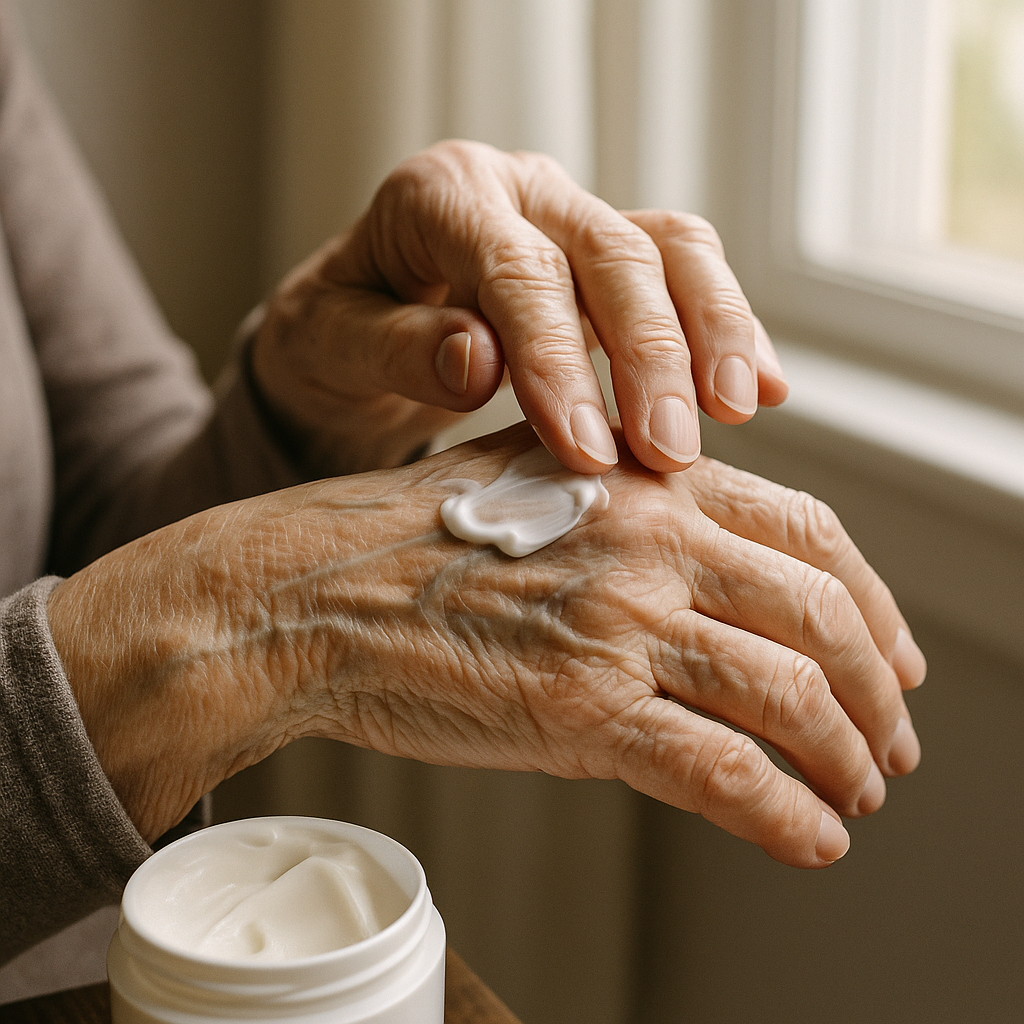

Topicals for Hand and Knee Discomfort in Seniors
As we age, maintaining mobility and comfort in our joints becomes increasingly important for quality of life. Many seniors experience hand and knee discomfort that can impact daily activities. Fortunately, topical applications offer a non-invasive approach that may provide relief. This guide explores various topical options specifically formulated for seniors seeking to support joint comfort and maintain an active lifestyle.
TL;DR: Discover effective topical solutions for senior hand and knee discomfort, from traditional formulations to CBD-infused products, with application tips and complementary approaches for joint comfort.
Understanding Joint Discomfort in Seniors

Joint discomfort in the hands and knees is common among seniors due to natural age-related changes in cartilage, tendons, and surrounding tissues. These changes can lead to stiffness, reduced flexibility, and discomfort during movement. While many consider this inevitable, the Academy of Geriatric Physical Therapy suggests that proper management strategies can significantly improve quality of life. Before exploring topical solutions, it’s important to understand that joint discomfort varies widely among individuals. Factors such as previous injuries, genetics, weight, and activity levels all play roles in how seniors experience joint discomfort. About Natural Pain Relief: How surgeonsolution.io’s Full Spectrum approach addresses these individual differences is worth exploring when considering comprehensive care options.
Traditional Topical Solutions

Many seniors find relief with traditional over-the-counter topicals containing ingredients like menthol, camphor, or capsaicin. These create cooling or warming sensations that may temporarily mask discomfort signals. Menthol provides a cooling effect that can be particularly soothing for acute flare-ups, while capsaicin works by depleting substance P, a pain transmitter in the body. Salicylates, found in many creams, are related to aspirin and may help reduce local inflammation when applied topically. These traditional options often work quickly but typically provide short-term relief. When shopping for these products, look for senior-friendly packaging with easy-open caps and non-greasy formulations. About Us pages on manufacturer websites often provide valuable information on product development specifically for senior needs and application techniques that maximize effectiveness.
CBD and Cannabinoid-Based Topicals

In recent years, CBD-infused topicals have gained popularity among seniors seeking alternative options for joint comfort. A Comprehensive Guide to CBD and CBG: Promising Alternatives explains how these compounds interact with the body’s endocannabinoid system, which plays a role in regulating pain and inflammation responses. CBD topicals may support joint comfort without psychoactive effects or systemic absorption concerns. Research suggests that cannabinoids like CBD and CBG may have properties that support joint health when applied topically. Are Cannabinoids the Future of natural healthcare solutions? Many seniors find them appealing because they offer targeted application without the potential side effects of some oral medications. When selecting CBD topicals, seniors should look for products with clear labeling of CBD content, third-party testing verification, and minimal additional ingredients that might cause skin irritation.
Herbal and Natural Ingredient Topicals
Many seniors prefer plant-based topicals containing ingredients with long histories of traditional use. Arnica, for example, has been used for centuries to support comfort in bruised or sore areas. Turmeric-based creams contain curcumin, which may support a healthy inflammatory response when applied topically. Comfrey, sometimes called “knit-bone,” contains compounds that may support tissue health. “Best Daily Health Habits via Surgeons include incorporating these natural approaches alongside conventional care. Essential oils like eucalyptus, peppermint, and lavender are often included in topical formulations for their aromatic and potential comfort-supporting properties. When exploring natural options, it’s worth noting that while these ingredients have historical use, individual responses vary. Many seniors find adding these products to their CART for online shopping provides convenience when mobility is challenging.
Application Techniques for Maximum Benefit
The effectiveness of any topical depends not just on its ingredients but also on proper application techniques. For hands, applying topicals before bedtime and covering with thin cotton gloves can enhance absorption and prevent transfer to other surfaces. For knees, some seniors find that warming the area before application improves penetration of the active ingredients. Gentle massage during application can also enhance blood flow to the area, potentially improving the topical’s effectiveness. “Advanced Cannabinoid Wellness: CBD topicals often come with specific application instructions that differ from traditional products. Consistency is key—regular application as directed typically yields better results than occasional use during flare-ups. Some seniors find that alternating between different types of topicals (such as using cooling products during the day and warming ones at night) provides more consistent comfort throughout their daily activities.
Integrating Topicals into a Comprehensive Approach
While topicals can provide significant support, they work best as part of a holistic approach to joint health. Gentle movement practices like tai chi, water exercises, or specific hand and knee strengthening exercises complement topical applications. Proper nutrition supporting joint health includes foods rich in omega-3 fatty acids, antioxidants, and collagen-supporting nutrients. A New Frontier in Epilepsy Care: Exploring the Therapeutic B reminds us that comprehensive approaches often yield the best results in various health conditions, including joint discomfort. Topicals can be particularly effective when used before and after physical activities to support comfort during movement. Many physical therapists recommend applying topicals about 20-30 minutes before exercise sessions. Are THC Drinks Healthier Than Alcohol? The Ultimate Comparis raises similar questions about comprehensive wellness approaches that seniors might consider alongside topical applications.
FAQ
How quickly do topicals work for joint discomfort?
The onset time varies by product type. Menthol and camphor formulations typically provide cooling or warming sensations within minutes. CBD and herbal topicals may take 15-45 minutes to provide noticeable effects. For optimal results, most topicals should be applied consistently as directed, usually 2-4 times daily, rather than only when discomfort is at its peak.
Can topicals be used alongside oral medications?
Many seniors use topicals as complementary approaches alongside their regular health regimen. Topicals generally work locally and have minimal systemic absorption, reducing concerns about interactions. However, it’s always advisable to discuss your complete care approach, including topicals, with your healthcare provider, especially if you’re taking prescription medications.
Are there any side effects of using topicals regularly?
Most topicals designed for seniors have excellent safety profiles when used as directed. Some individuals may experience skin irritation, particularly with products containing capsaicin, menthol, or essential oils. It’s advisable to test any new topical on a small area first. Avoid applying topicals to broken skin, and wash hands thoroughly after application unless the product is specifically for hand discomfort.
How do I choose between the many topical options available?
Consider your specific needs and preferences. If you prefer immediate sensation, menthol or capsaicin products might be suitable. For those interested in plant-based options, herbal or CBD topicals may be appealing. A Comprehensive Guide to CBD for Autism: Navigating Benefits provides insights into cannabinoid research that might inform your decision. Many seniors find it helpful to have different options for different situations or times of day.
Call to Action: Finding the right topical solution for hand and knee discomfort can significantly enhance comfort and mobility for seniors. Consider exploring different options to discover which formulations and application methods work best for your specific needs, and remember that consistency in use often yields the best results.
Further reading
- Best Times to Take CBN for Optimal Sleep and Relaxation
- Best Way to Consume HHC: Hexahydrocannabinol Facts
- Best Ways to Smoke or Vaporize CBD Hemp Flower
- Breaking New Ground: The Promise of CBD and CBG for Autism T
- Browse Surgeons Products Online Today For Best Selections
- CBD & Hemp Extracted Dog / Pet Oil 1000mg
- CBD Hemp Flower vs. THC Flower: Key Differences Explained
- CBD Topicals for Neuropathy: A Natural Pain Solution
References
- FDA: Cannabis and Cannabis-Derived Products (Including CBD) – Public Health Focus
- FDA Consumer Update: What You Need to Know About Products Containing Cannabis or CBD
- NIH NCCIH: Cannabidiol (CBD) – What You Need To Know
- NIH MedlinePlus: Cannabidiol (CBD) – Supplement Information
- NIDA: Cannabis (Marijuana) Research & Facts
- CDC: Marijuana and Public Health
- SAMHSA: Marijuana Risks (Public Health Information)
- National Academies (NASEM): The Health Effects of Cannabis and Cannabinoids (2017 Report)
- ClinicalTrials.gov: Studies on Cannabidiol (CBD)
- PubMed: Cannabidiol (CBD) – Literature
Leave a Reply