

CBD and WADA/USADA: What’s Allowed for Athletes
Navigating the complex world of CBD use as a competitive athlete requires understanding the current stance of major anti-doping organizations. While CBD was removed from the World Anti-Doping Agency’s prohibited list in 2018, confusion persists about what’s permitted and what could trigger a positive test. This guide clarifies the regulations surrounding CBD products for athletes subject to WADA and USADA testing, helping you make informed decisions about your wellness routine.
Understanding WADA’s Current CBD Policy

In January 2018, the World Anti-Doping Agency made a landmark decision by removing cannabidiol (CBD) from its prohibited substances list. This change represented a significant shift in how the sports world views CBD, acknowledging its potential benefits separate from other cannabis compounds. However, it’s crucial to understand that while CBD itself is permitted, other cannabinoids including THC, CBN, and synthetic cannabinoids remain prohibited in competition. Athletes interested in A Comprehensive Guide to CBD and CBG: Promising Alternatives should note that while CBD is allowed, CBG still exists in a regulatory gray area. The distinction between allowed and prohibited substances often comes down to specific molecular structures, making it essential for athletes to thoroughly research products before use.
The THC Threshold and Testing Considerations

WADA and USADA maintain a strict threshold for THC metabolites at 150 nanograms per milliliter in urine tests. This threshold exists because many CBD products contain trace amounts of THC, even when labeled as “THC-free.” The manufacturing process for CBD often makes complete separation impossible. Athletes should be aware that regular use of full-spectrum CBD products might lead to THC accumulation that could potentially trigger a positive test. Unlike recreational cannabis comparisons found in articles like Are THC Drinks Healthier Than Alcohol? The Ultimate Comparis, athletes face career-altering consequences for prohibited substance violations. For those concerned about testing, isolate CBD products (containing only CBD molecule) present lower risks than full-spectrum options, though no product can guarantee zero risk without third-party testing verification.
Third-Party Testing and Certificate of Analysis

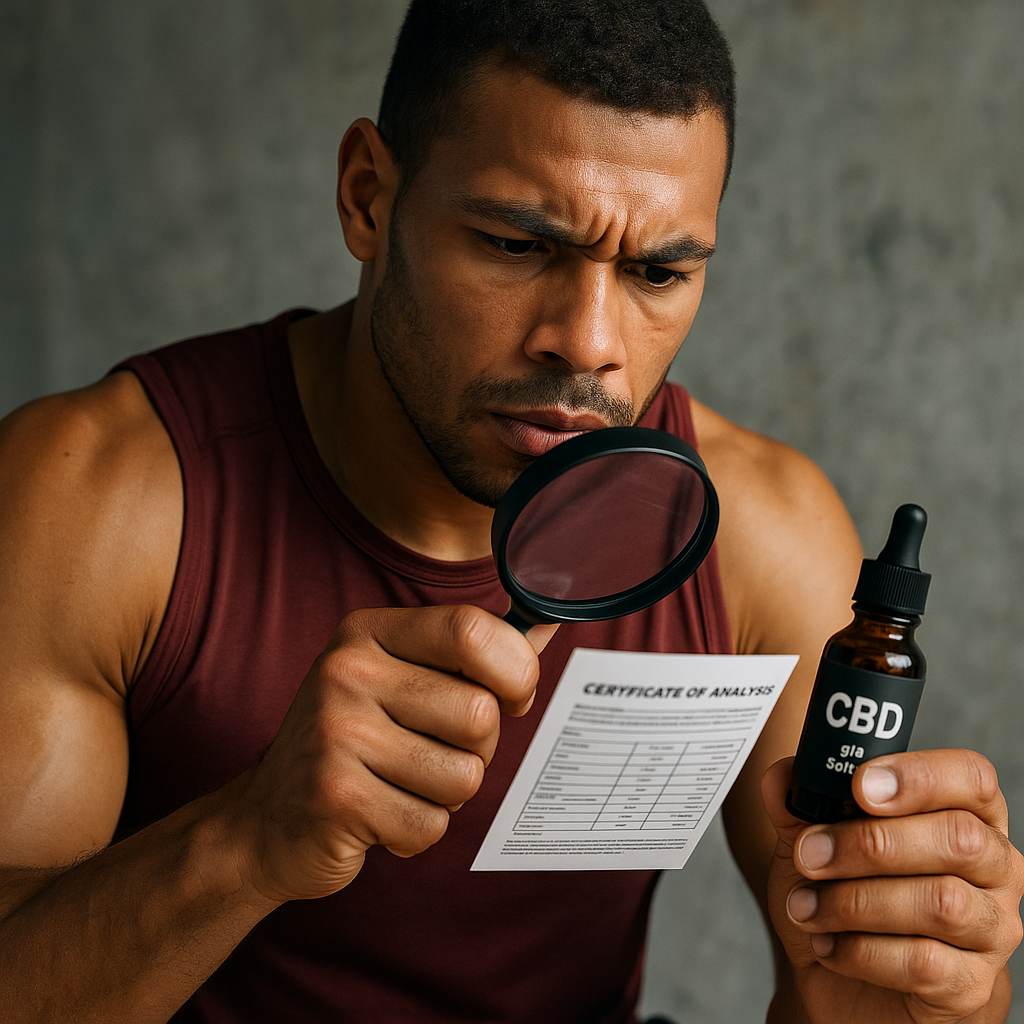
For athletes considering CBD use, third-party testing is non-negotiable. A Certificate of Analysis (COA) from an independent laboratory verifies the exact cannabinoid content in a product, confirming whether THC levels fall below the detection threshold. The Academy of sports medicine experts consistently emphasizes that athletes should never take a manufacturer’s claims at face value. When reviewing a COA, look specifically for THC content measured in percentages and ensure it’s below 0.3% (the legal limit for hemp products in the US). Even better, find products with non-detectable THC levels. The COA should also verify the absence of other prohibited cannabinoids and contaminants. Many reputable companies make these certificates readily available through QR codes on packaging or on their websites under About Us sections.
Isolate vs. Full-Spectrum: Making the Safest Choice
Athletes subject to drug testing face a critical decision between CBD isolate and full-spectrum products. CBD isolate contains only the CBD molecule, theoretically eliminating the risk of THC exposure. Full-spectrum products, while potentially more effective due to the entourage effect discussed in “Advanced Cannabinoid Wellness: CBD literature, contain the complete range of hemp plant compounds including trace amounts of THC. For maximum safety, isolate products represent the conservative choice. However, even isolates require verification through third-party testing. The CART system (Certification, Analysis, Research, Testing) provides a helpful framework for evaluating product safety. Some athletes compromise with broad-spectrum products, which aim to preserve beneficial cannabinoids while removing THC, though these still carry slightly higher risk than isolates.
International Travel Considerations for Athletes
Athletes competing internationally face additional complexities when considering CBD use. While WADA may permit CBD, individual countries maintain their own cannabis laws that can vary dramatically. Products that are legal in your home country may be strictly prohibited elsewhere, potentially resulting in serious legal consequences including detention. Before traveling with CBD, thoroughly research destination country laws. In many cases, the safest approach is to temporarily discontinue use while traveling internationally. This precaution is particularly important for athletes competing in countries with strict anti-drug policies. About Natural Pain Relief: How surgeonsolution.io’s Full Spe approaches might offer alternative recovery methods during international competition periods. When in doubt, consult with team doctors, sports nutritionists, or anti-doping officials about country-specific regulations.
Future Outlook: Evolving Regulations and Research
The regulatory landscape surrounding CBD in sports continues to evolve as research expands. Organizations like USADA have developed educational resources specifically addressing cannabinoids, recognizing athletes’ growing interest in these products. As studies explore whether Are Cannabinoids the Future of natural healthcare solutions?, sports governing bodies may further refine their positions. Some sports leagues have already adopted more progressive policies than WADA, particularly regarding THC. Athletes should stay informed through official channels rather than relying on manufacturer claims or outdated information. The intersection of CBD research and sports performance represents A New Frontier in Epilepsy Care: Exploring the Therapeutic B and other conditions, potentially influencing future regulatory decisions. While current rules permit CBD use, the responsibility for compliance ultimately rests with the athlete.
FAQ
Can CBD use cause a positive drug test for athletes?
Pure CBD itself won’t trigger a positive test, but many CBD products contain trace amounts of THC that could accumulate in your system with regular use. Athletes should only use products with comprehensive third-party testing showing non-detectable or extremely low THC levels. CBD isolates present lower risk than full-spectrum products, though no CBD product can guarantee zero risk of a positive test.
What’s the difference between CBD products that are safe for athletes and those that aren’t?
The key difference is reliable third-party testing and transparency. Products safe for athletes will have Certificates of Analysis from independent laboratories confirming non-detectable or extremely low levels of prohibited cannabinoids (particularly THC). The safest options are typically CBD isolates rather than full-spectrum products. “Best Daily Health Habits via Surgeons and sports medicine professionals recommend choosing products specifically marketed to athletes with clear anti-doping compliance information.
Are all hemp-derived CBD products permitted under WADA rules?
No. While CBD itself is permitted, many hemp-derived products contain other prohibited cannabinoids. Only CBD was removed from the prohibited list; THC, CBN, and all other natural and synthetic cannabinoids remain prohibited in competition. Legal hemp products can contain up to 0.3% THC, which could potentially accumulate to detectable levels with regular use.
How should athletes approach CBD use if they’re subject to drug testing?
Athletes should take a conservative approach by only using CBD isolate products with comprehensive third-party testing documentation showing non-detectable THC levels. They should purchase directly from reputable manufacturers rather than through third-party retailers, keep all product packaging and testing documentation, and consider informing their medical team about their CBD use. A Comprehensive Guide to CBD for Autism: Navigating Benefits and other specialized resources may contain useful information, but athletes face unique considerations.
In conclusion, navigating CBD use as an athlete requires careful product selection and understanding of anti-doping regulations. While CBD itself is permitted by WADA and USADA, the presence of other cannabinoids in many products creates significant risks that athletes must manage through educated choices and third-party testing verification.
Further reading
- Best Times to Take CBN for Optimal Sleep and Relaxation
- Best Way to Consume HHC: Hexahydrocannabinol Facts
- Best Ways to Smoke or Vaporize CBD Hemp Flower
- Breaking New Ground: The Promise of CBD and CBG for Autism T
- Browse Surgeons Products Online Today For Best Selections
- CBD & Hemp Extracted Dog / Pet Oil 1000mg
- CBD Hemp Flower vs. THC Flower: Key Differences Explained
- CBD Topicals for Neuropathy: A Natural Pain Solution
References
- FDA: Cannabis and Cannabis-Derived Products (Including CBD) – Public Health Focus
- FDA Consumer Update: What You Need to Know About Products Containing Cannabis or CBD
- NIH NCCIH: Cannabidiol (CBD) – What You Need To Know
- NIH MedlinePlus: Cannabidiol (CBD) – Supplement Information
- NIDA: Cannabis (Marijuana) Research & Facts
- CDC: Marijuana and Public Health
- SAMHSA: Marijuana Risks (Public Health Information)
- National Academies (NASEM): The Health Effects of Cannabis and Cannabinoids (2017 Report)
- ClinicalTrials.gov: Studies on Cannabidiol (CBD)
- PubMed: Cannabidiol (CBD) – Literature
Leave a Reply