

Understanding ‘Hemp-Derived’ vs ‘Cannabis-Derived’ Labels
Understanding ‘Hemp-Derived’ vs ‘Cannabis-Derived’ Labels — Navigating product labels in the cannabinoid market requires understanding key terminology distinctions that impact legality, composition, and consumer expectations. The difference between ‘hemp-derived’ and ‘cannabis-derived’ designations goes beyond semantics—it represents crucial regulatory boundaries that determine how products can be marketed, sold, and consumed. This compliance guide helps businesses and consumers understand these critical distinctions to make informed decisions in an evolving marketplace.
Understanding ‘Hemp-Derived’ vs ‘Cannabis-Derived’ Labels: Legal Definitions: The 2018 Farm Bill Framework

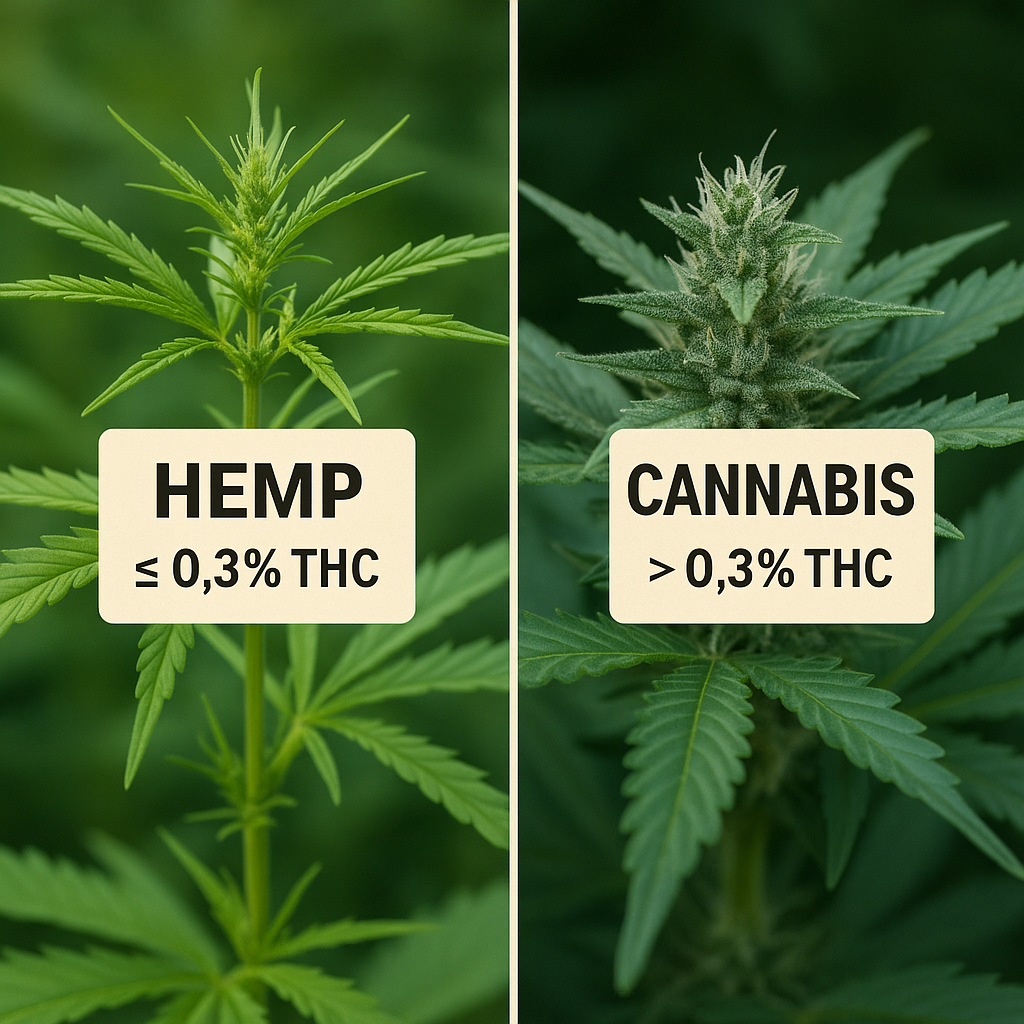
The 2018 Farm Bill established the fundamental legal distinction between hemp and cannabis that drives today’s product labeling requirements. Hemp is legally defined as Cannabis sativa L. plants containing no more than 0.3% delta-9 THC by dry weight, while plants exceeding this threshold remain federally classified as cannabis (marijuana). This distinction creates the foundation for ‘hemp-derived’ labeling, which signals to consumers that products comply with federal guidelines. For businesses seeking to understand these nuances more thoroughly, our Academy offers specialized compliance training. The Farm Bill created a pathway for hemp-derived cannabinoids like CBD to enter interstate commerce, though the FDA maintains regulatory authority over many product categories. Understanding these definitions is essential when developing compliant marketing materials and product labels that accurately reflect a product’s legal status.
Understanding ‘Hemp-Derived’ vs ‘Cannabis-Derived’ Labels: Cannabinoid Source Transparency

Accurate source identification on product labels helps consumers make informed choices about the cannabinoids they consume. ‘Hemp-derived’ indicates cannabinoids extracted from federally legal hemp plants, while ‘cannabis-derived’ signals extraction from plants exceeding the 0.3% THC threshold. This distinction matters particularly for consumers seeking specific cannabinoid profiles. For example, those interested in non-intoxicating options might explore A Comprehensive Guide to CBD and CBG: Promising Alternatives to understand their options better. Source transparency extends beyond legal compliance—it builds consumer trust. When evaluating products, verify that labels clearly state the plant source, extraction methods, and cannabinoid content. Companies committed to transparency typically provide certificates of analysis (COAs) from third-party laboratories, confirming cannabinoid profiles and screening for contaminants. This level of disclosure helps consumers assess whether products align with their wellness goals.
Compliance Checklist for Product Labeling

Developing compliant product labels requires attention to several key elements. First, ensure accurate designation of ‘hemp-derived’ or ‘cannabis-derived’ based on the source plant’s THC content. Second, include cannabinoid concentration information, typically expressed in milligrams per serving and per container. Third, incorporate batch or lot numbers that enable traceability. Fourth, add appropriate warning statements regarding age restrictions, pregnancy/nursing cautions, and potential drug interactions. Fifth, avoid making unsubstantiated health claims—language suggesting products can diagnose, treat, cure or prevent disease violates FDA regulations. For businesses seeking to understand the therapeutic potential of cannabinoids while maintaining compliance, resources like A New Frontier in Epilepsy Care: Exploring the Therapeutic B provide valuable context. Finally, include storage instructions and expiration dates to ensure product stability and efficacy throughout its intended shelf life.
State-by-State Variations in Labeling Requirements
While federal distinctions between hemp and cannabis create a baseline for labeling, state regulations add complexity to compliance efforts. Some states have adopted the federal 0.3% THC threshold for hemp, while others have implemented more restrictive definitions or additional labeling requirements. For example, certain states require specific warning language, QR codes linking to COAs, or unique symbols identifying cannabis-derived products. These variations create challenges for businesses operating across multiple jurisdictions. To navigate this complexity, many companies create state-specific labels or design universal packaging that meets the most stringent requirements across all markets where they operate. For consumers wondering about broader questions like Are Cannabinoids the Future of natural healthcare solutions?, understanding these regulatory nuances provides important context. Businesses should establish a regulatory monitoring system to track evolving state requirements and update labels accordingly.
Marketing Claims and Advertising Considerations
Beyond physical labels, marketing materials and advertising content must align with the hemp-derived or cannabis-derived designation of products. For hemp-derived products, businesses should avoid language suggesting intoxicating effects, as this contradicts the non-intoxicating nature of compliant hemp products. Similarly, marketing materials should not make disease claims or suggest products can replace conventional medical treatments. For those interested in specific applications, resources like A Comprehensive Guide to CBD for Autism: Navigating Benefits explore potential benefits while maintaining appropriate language. When comparing cannabinoid products to alternatives, as in discussions About Natural Pain Relief: How surgeonsolution.io’s Full Spe approaches wellness, maintain factual, evidence-based language. Social media platforms and online marketplaces often have additional restrictions on cannabinoid product advertising, requiring careful content development that respects platform-specific guidelines while accurately representing products.
Consumer Education and Transparency Practices
Effective labeling extends beyond regulatory compliance to include consumer education initiatives that help customers understand product characteristics and appropriate use. Leading brands develop comprehensive educational resources that explain cannabinoid effects, potential interactions, and usage guidelines. This might include QR codes on packaging that link to expanded product information, dosage calculators, or educational articles. For consumers exploring topics like Are THC Drinks Healthier Than Alcohol? The Ultimate Comparis, these resources provide valuable context. Companies committed to transparency often invite consumers to learn more About Us and our sourcing practices through detailed website content. Some brands also implement verification systems allowing consumers to Create an Account to access batch-specific test results or track product journey from cultivation through manufacturing. These practices build trust while empowering consumers to make informed decisions about the cannabinoid products they choose.
FAQ
Can a product contain both hemp-derived and cannabis-derived cannabinoids?
Yes, products can contain cannabinoids from both sources, but such products would typically be classified and regulated according to the cannabis-derived components, making them subject to state cannabis regulations rather than federal hemp guidelines. These products must be clearly labeled regarding their mixed-source nature and sold only through licensed cannabis dispensaries in states with legal cannabis programs.
How should businesses handle products containing hemp-derived delta-8 THC?
Products containing hemp-derived delta-8 THC exist in a complex regulatory space. While technically derived from legal hemp, these products produce intoxicating effects similar to delta-9 THC. Several states have specifically regulated or banned these products. Businesses should clearly label delta-8 content, include appropriate warnings about psychoactive effects, and carefully research state-specific regulations before marketing these products in any jurisdiction.
What labeling considerations apply to full-spectrum hemp products?
Full-spectrum hemp products contain multiple cannabinoids including trace amounts of THC (below 0.3%). Labels should clearly indicate the full-spectrum nature, list major cannabinoids with their concentrations, note the presence of THC (even in legal amounts), and potentially include warnings that the product might trigger a positive drug test despite being hemp-derived. “Advanced Cannabinoid Wellness: CBD resources often discuss these considerations in detail.
How should imported hemp-derived products be labeled?
Imported hemp-derived products must comply with both US import regulations and domestic labeling requirements. Labels should clearly indicate the country of origin, verify compliance with the 0.3% THC threshold under US definitions, and meet all standard labeling requirements including cannabinoid content, batch information, and appropriate warnings. Importers should maintain documentation confirming the imported hemp was legally produced in the country of origin according to that country’s regulations.
Understanding the critical distinctions between hemp-derived and cannabis-derived product labeling helps businesses maintain compliance while building consumer trust through transparency. Implement these guidelines to develop clear, compliant labels that accurately communicate product origins and contents, and consider consulting with regulatory experts to navigate the evolving landscape of cannabinoid regulations.
Further reading
- Best Times to Take CBN for Optimal Sleep and Relaxation
- Best Way to Consume HHC: Hexahydrocannabinol Facts
- Best Ways to Smoke or Vaporize CBD Hemp Flower
- Breaking New Ground: The Promise of CBD and CBG for Autism T
- Browse Surgeons Products Online Today For Best Selections
- CBD & Hemp Extracted Dog / Pet Oil 1000mg
- CBD Hemp Flower vs. THC Flower: Key Differences Explained
- CBD Topicals for Neuropathy: A Natural Pain Solution
References
- FDA: Cannabis and Cannabis-Derived Products (Including CBD) – Public Health Focus
- FDA Consumer Update: What You Need to Know About Products Containing Cannabis or CBD
- NIH NCCIH: Cannabidiol (CBD) – What You Need To Know
- NIH MedlinePlus: Cannabidiol (CBD) – Supplement Information
- NIDA: Cannabis (Marijuana) Research & Facts
- CDC: Marijuana and Public Health
- SAMHSA: Marijuana Risks (Public Health Information)
- National Academies (NASEM): The Health Effects of Cannabis and Cannabinoids (2017 Report)
- ClinicalTrials.gov: Studies on Cannabidiol (CBD)
- PubMed: Cannabidiol (CBD) – Literature
Leave a Reply