
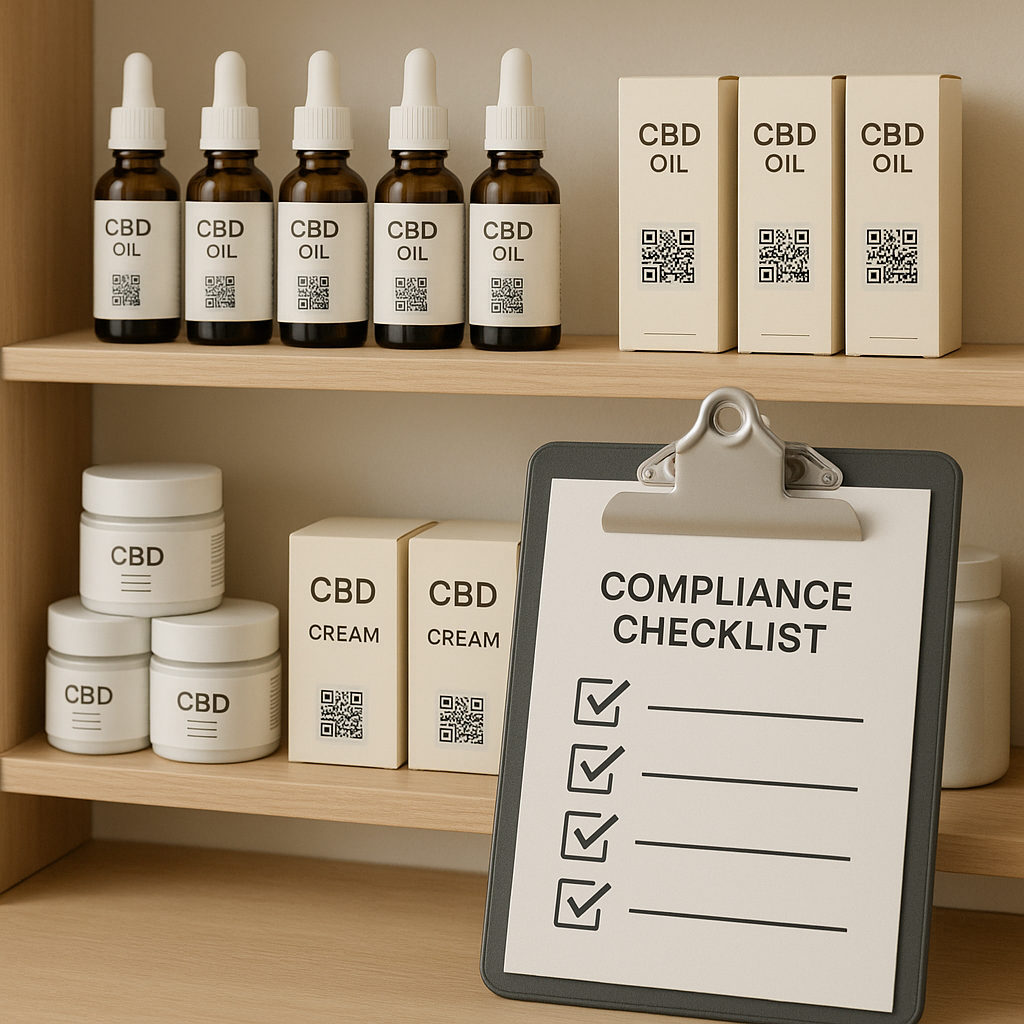

Retailer Compliance Checklist for CBD Brands
Navigating the complex regulatory landscape of CBD retail requires diligence and attention to detail. This comprehensive compliance checklist serves as a roadmap for CBD brands looking to ensure their retail operations meet all necessary requirements. From product testing to labeling standards, understanding these compliance factors is essential for sustainable business growth in the rapidly evolving CBD marketplace.
Understanding Federal and State Regulations

The CBD industry operates within a patchwork of regulations that vary significantly by location. At the federal level, the 2018 Farm Bill legalized hemp-derived CBD containing less than 0.3% THC, but the FDA maintains regulatory authority over CBD products. State laws can be more restrictive or permissive than federal guidelines, creating a complex compliance environment. Retailers should maintain a database of current regulations for each state where they operate or ship products. For those seeking deeper insights, A Comprehensive Guide to CBD and CBG: Promising Alternatives offers valuable context on navigating these regulatory differences. Consider joining industry associations that provide regulatory updates and compliance resources. Remember that regulations are constantly evolving, so establishing a quarterly compliance review process is advisable for all CBD retailers.
Product Testing and Certificate of Analysis Requirements

Third-party laboratory testing is non-negotiable for CBD retail compliance. Every product should have a current Certificate of Analysis (COA) from an accredited laboratory verifying cannabinoid content, confirming THC levels below 0.3%, and screening for contaminants including pesticides, heavy metals, residual solvents, and microbial impurities. These COAs should be easily accessible to consumers, either through QR codes on packaging, your website, or available upon request in-store. Many retailers now include COA information directly on product pages in their CART systems for transparency. Testing frequency matters too—establish protocols for batch testing and COA updates. The testing standards explored in Advanced Cannabinoid Wellness: CBD frameworks provide excellent guidelines for retailers to follow. Remember that inadequate testing documentation is among the most common compliance issues flagged during regulatory inspections.
Labeling and Packaging Compliance

Proper labeling is critical for CBD retail compliance. All product packaging must clearly state CBD content per serving and per container, include a complete ingredient list, and provide batch or lot numbers for traceability. Avoid making any medical claims—terms like “treats,” “cures,” “prevents,” or “diagnoses” are prohibited. This is especially important when discussing topics covered in resources like A Comprehensive Guide to CBD for Autism: Navigating Benefits, where careful language is essential. Child-resistant packaging is required for many CBD products, particularly edibles and tinctures. State-specific warning labels may be necessary depending on your market. Ensure all marketing materials, both in-store and online, adhere to the same standards as product packaging. Create a pre-launch checklist for new products that includes a compliance review of all packaging and labeling elements before products reach your shelves.
Age Verification and Sales Restrictions
While hemp-derived CBD is not age-restricted at the federal level, many states and retailers impose minimum age requirements, typically 18 or 21 years. Implement robust age verification systems for both in-store and online sales. For physical retail, train staff to check identification for all customers who appear under 30. For e-commerce, deploy age verification technology that requires date of birth entry and possibly ID verification at checkout. Your About Us page should clearly state your age policy. Some payment processors have specific requirements for CBD sales, so ensure your point-of-sale system is compliant with their terms. Keep detailed records of age verification procedures, as these may be requested during regulatory inspections. Consider implementing additional safeguards for products that might appeal to minors, such as gummies or flavored products, even if not legally required in your jurisdiction.
Marketing and Advertising Compliance
Marketing CBD products requires careful attention to compliance. Avoid making health claims in all advertising materials—focus instead on general wellness language. Social media platforms have varying policies regarding CBD promotion, so familiarize yourself with each platform’s guidelines. When discussing topics like those covered in A New Frontier in Epilepsy Care: Exploring the Therapeutic B, use educational, informational approaches rather than promotional language. Your website’s About section should contain compliant language about your products. Customer testimonials must also comply with these standards—review and moderate all reviews before publishing. For email marketing, include appropriate disclaimers and ensure your list consists only of age-verified subscribers. Consider having marketing materials reviewed by legal counsel familiar with CBD regulations. The question of Are Cannabinoids the Future of natural healthcare solutions? can be explored in marketing, but always from an educational perspective rather than making definitive claims.
Record-Keeping and Documentation Practices
Maintaining comprehensive records is fundamental to CBD retail compliance. Establish systems to track inventory from receipt to sale, including batch numbers and expiration dates. Document all employee training on compliance procedures, particularly age verification and product knowledge. Keep records of all Certificates of Analysis organized by product and batch number. Maintain copies of all current and past product labels and marketing materials. The Academy approach to documentation involves creating standardized forms and checklists for all compliance activities. Establish a system for monitoring and documenting customer complaints or adverse event reports. For online retailers, maintain records of age verification processes and transaction details. Consider implementing a compliance calendar that tracks renewal dates for licenses, permits, and testing requirements. About Natural Pain Relief: How surgeonsolution.io’s Full Spe and similar resources often emphasize the importance of documentation in maintaining compliance in specialized product categories.
FAQ
What are the most common compliance issues for CBD retailers?
The most frequent compliance issues include inadequate product testing documentation, improper product labeling (particularly making prohibited health claims), insufficient age verification systems, and failure to maintain proper records. Many retailers also struggle with staying current on rapidly changing state regulations and ensuring their marketing materials remain compliant across all channels.
How often should CBD products be tested?
CBD products should be tested at minimum for each new production batch or lot. Many premium retailers implement more frequent testing protocols, especially when changing suppliers or formulations. The Certificate of Analysis should be current (generally within the past 12 months) and should test for cannabinoid profile, THC content, pesticides, heavy metals, residual solvents, and microbial contaminants.
Can CBD retailers ship products across state lines?
While hemp-derived CBD containing less than 0.3% THC is federally legal, interstate shipping remains complicated due to varying state laws. Retailers should research the specific regulations of destination states before shipping. Some states prohibit certain product types (like CBD edibles) while permitting others. Maintaining current knowledge of state-by-state regulations is essential for compliant interstate commerce.
How should retailers handle the distinction between CBD and THC products?
Retailers must clearly differentiate between hemp-derived CBD products (containing less than 0.3% THC) and cannabis products with higher THC content. This distinction affects everything from licensing requirements to age restrictions. For retailers carrying both product types, separate displays and clear labeling are essential. Resources like Are THC Drinks Healthier Than Alcohol? The Ultimate Comparis can help educate staff and customers about these important distinctions.
What should be included in employee compliance training?
Comprehensive employee training should cover product knowledge, regulatory requirements, age verification procedures, proper handling of compliance documentation, and appropriate customer communication that avoids making health claims. Staff should understand how to access and interpret Certificates of Analysis and be able to explain product information without crossing into medical advice. Best Daily Health Habits via Surgeons and similar educational resources can help staff understand the wellness context of CBD products without making prohibited claims.
Maintaining compliance in CBD retail requires ongoing vigilance and adaptation to evolving regulations. By implementing this comprehensive checklist, retailers can build a foundation for sustainable business practices that protect both their customers and their brand reputation.
Further reading
- Best Times to Take CBN for Optimal Sleep and Relaxation
- Best Way to Consume HHC: Hexahydrocannabinol Facts
- Best Ways to Smoke or Vaporize CBD Hemp Flower
- Breaking New Ground: The Promise of CBD and CBG for Autism T
- Browse Surgeons Products Online Today For Best Selections
- CBD & Hemp Extracted Dog / Pet Oil 1000mg
- CBD Hemp Flower vs. THC Flower: Key Differences Explained
- CBD Topicals for Neuropathy: A Natural Pain Solution
References
- FDA: Cannabis and Cannabis-Derived Products (Including CBD) – Public Health Focus
- FDA Consumer Update: What You Need to Know About Products Containing Cannabis or CBD
- NIH NCCIH: Cannabidiol (CBD) – What You Need To Know
- NIH MedlinePlus: Cannabidiol (CBD) – Supplement Information
- NIDA: Cannabis (Marijuana) Research & Facts
- CDC: Marijuana and Public Health
- SAMHSA: Marijuana Risks (Public Health Information)
- National Academies (NASEM): The Health Effects of Cannabis and Cannabinoids (2017 Report)
- ClinicalTrials.gov: Studies on Cannabidiol (CBD)
- PubMed: Cannabidiol (CBD) – Literature
Leave a Reply