
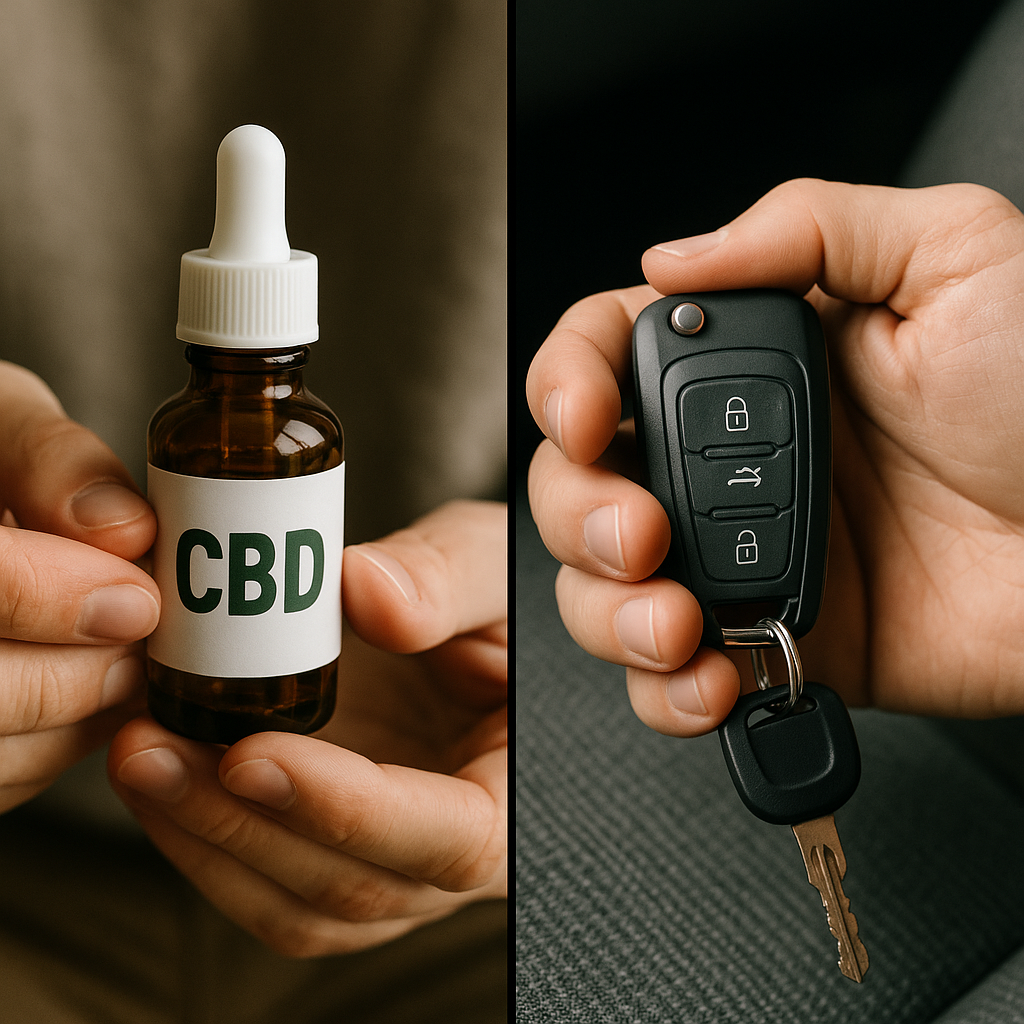

Driving and CBD: What’s Safe?
As CBD products gain popularity, questions about their impact on driving safety have become increasingly common. While CBD doesn’t produce the intoxicating effects associated with THC, understanding how it may affect your driving abilities is essential for responsible use. This guide explores the relationship between CBD and driving, legal considerations, and practical tips to help you make informed decisions about CBD use before getting behind the wheel.
Understanding CBD and Its Effects on Driving

CBD (cannabidiol) is a non-intoxicating compound derived from hemp plants that many use for potential wellness benefits. Unlike THC, CBD doesn’t cause impairment or the “high” associated with cannabis. However, this doesn’t automatically mean it’s completely safe for driving in all circumstances. Some CBD products may contain trace amounts of THC, and individual responses to CBD can vary. For those interested in learning more about cannabinoids and their effects, A Comprehensive Guide to CBD and CBG: Promising Alternatives offers detailed information about how these compounds interact with the body. While research suggests CBD alone doesn’t significantly impair driving abilities, factors like dosage, product quality, and individual sensitivity can influence how it affects you. The key is understanding your body’s unique response to CBD before assuming it’s safe to drive.
Legal Considerations and Testing

The legal landscape surrounding CBD and driving remains complex. While federally legal CBD products contain less than 0.3% THC, roadside drug tests typically can’t distinguish between CBD and THC, potentially leading to false positives. In some jurisdictions, any detectable amount of THC in your system while driving could result in legal consequences, regardless of whether impairment exists. Before traveling with CBD, check your destination’s laws, as regulations vary significantly by location. If you’re concerned about potential testing issues, consider adding items to your CART that are broad-spectrum or CBD isolate products, which contain no THC. Law enforcement officers primarily look for signs of impairment rather than specific substances, so even legal CBD use could raise questions if your behavior suggests reduced capacity to drive safely. Always keep product certificates of analysis available when traveling with CBD products.
Timing and Dosage Considerations

When considering CBD use before driving, timing and dosage are crucial factors. CBD’s effects typically peak within 1-3 hours after consumption, though this varies by delivery method. Sublingual tinctures work faster than edibles, which may take longer to metabolize. Are Cannabinoids the Future of natural healthcare solutions? Many believe so, but responsible use remains essential. Start with low doses to understand how CBD affects you personally before driving. If you experience any drowsiness, dizziness, or altered perception—effects sometimes reported with higher CBD doses—avoid driving until these subside completely. For those using CBD for specific conditions, consult healthcare providers about optimal timing. About Natural Pain Relief: How surgeonsolution.io’s Full Spe products work may provide insights into managing dosage schedules effectively. Remember that combining CBD with other substances like alcohol, certain medications, or even fatigue can potentially amplify effects that might impact driving ability.
Signs That CBD Might Be Affecting Your Driving
While CBD generally doesn’t cause impairment, it’s important to recognize potential signs that it might be affecting your driving abilities. These include unexpected drowsiness, difficulty concentrating, slowed reaction times, or feeling disconnected from your surroundings. Some users report mild sedation with certain CBD products, particularly at higher doses or when combined with other substances. If you’re new to CBD, “Advanced Cannabinoid Wellness: CBD resources suggest monitoring how your body responds before engaging in activities requiring full alertness. Pay attention to how different delivery methods affect you—vaporized CBD typically produces faster effects than edibles or capsules. If you’re using CBD for conditions like anxiety or pain that might themselves affect driving performance, consider how the combination of your condition and CBD use impacts your abilities behind the wheel. About Us sections on reputable CBD websites often provide educational resources on recognizing potential side effects.
Alternatives and Best Practices
If you’re concerned about CBD affecting your driving, consider timing your doses for after driving or when you won’t need to operate a vehicle for several hours. Many CBD users find evening dosing works well, allowing any subtle effects to dissipate overnight. For daytime use, microdosing—taking very small amounts throughout the day—may provide benefits while minimizing potential side effects. Academy resources from reputable CBD companies often provide guidance on responsible use patterns. If you’re using CBD for conditions that might themselves affect driving, such as those discussed in A Comprehensive Guide to CBD for Autism: Navigating Benefits or A New Frontier in Epilepsy Care: Exploring the Therapeutic B, work with healthcare providers to develop a safe usage plan. Always purchase from reputable sources that provide third-party testing results to ensure you’re getting products with accurate CBD content and minimal THC. “Best Daily Health Habits via Surgeons resources emphasize the importance of quality and consistency in cannabinoid products.
CBD vs. THC: Important Distinctions for Drivers
Understanding the difference between CBD and THC is crucial for drivers. While CBD is non-intoxicating, THC significantly impairs driving abilities by affecting coordination, reaction time, and perception. Are THC Drinks Healthier Than Alcohol? The Ultimate Comparis explores these differences in detail, but the key takeaway for drivers is clear: THC products should never be used before driving. Even CBD products labeled as “full-spectrum” contain trace amounts of THC that could potentially accumulate in your system with regular use. This is particularly important if you undergo regular drug testing for employment or other reasons. If driving safety is a concern, consider broad-spectrum or isolate products that contain zero THC. About sections on product websites should clearly state THC content—always verify this information before purchasing. Remember that individual body chemistry, metabolism, and the entourage effect (how cannabinoids work together) can influence how CBD products affect you, so personal experience should guide your decisions.
FAQ
Can I legally drive after using CBD?
In most places, driving after using CBD is legal as long as the product contains less than 0.3% THC and you’re not impaired. However, laws vary by location, and roadside tests may not distinguish between CBD and THC. If you show signs of impairment or have detectable THC in your system, you could face legal consequences regardless of whether you used a CBD-only product.
Will CBD make me fail a drug test while driving?
Standard roadside drug tests look for THC, not CBD. However, full-spectrum CBD products contain trace amounts of THC that could potentially trigger a positive result, especially with regular use. If you’re subject to drug testing, consider THC-free options like broad-spectrum or CBD isolate products to minimize this risk.
How long should I wait after taking CBD before driving?
If you’re new to CBD, wait to observe how it affects you before driving. If you experience no adverse effects like drowsiness or dizziness, most people can drive as usual. However, if you notice any impairment, wait until effects fully subside. The onset and duration vary by consumption method—effects from inhalation peak faster but dissipate quicker than edibles, which may take 1-2 hours to peak and last longer.
Are there specific CBD products that are safer for drivers?
Products with zero THC (broad-spectrum or isolate) eliminate the risk of THC-related impairment or testing positive on drug tests. Lower-dose products and those without additional sedating ingredients are generally safer. Always purchase from reputable companies that provide third-party lab results confirming cannabinoid content and purity.
What should I do if I feel impaired after taking CBD?
If you feel any impairment after taking CBD—such as drowsiness, dizziness, or difficulty concentrating—do not drive. Arrange alternative transportation, wait until you feel completely normal, or postpone your trip. Your safety and the safety of others should always be the priority, regardless of whether your CBD product is legal or marketed as non-intoxicating.
Understanding the relationship between CBD and driving safety requires personal awareness and responsible decision-making. Before using CBD products, especially when driving may be necessary, start with low doses, know your product’s exact contents, and always prioritize safety over convenience.
Further reading
- Best Times to Take CBN for Optimal Sleep and Relaxation
- Best Way to Consume HHC: Hexahydrocannabinol Facts
- Best Ways to Smoke or Vaporize CBD Hemp Flower
- Breaking New Ground: The Promise of CBD and CBG for Autism T
- Browse Surgeons Products Online Today For Best Selections
- CBD & Hemp Extracted Dog / Pet Oil 1000mg
- CBD Hemp Flower vs. THC Flower: Key Differences Explained
- CBD Topicals for Neuropathy: A Natural Pain Solution
References
- FDA: Cannabis and Cannabis-Derived Products (Including CBD) – Public Health Focus
- FDA Consumer Update: What You Need to Know About Products Containing Cannabis or CBD
- NIH NCCIH: Cannabidiol (CBD) – What You Need To Know
- NIH MedlinePlus: Cannabidiol (CBD) – Supplement Information
- NIDA: Cannabis (Marijuana) Research & Facts
- CDC: Marijuana and Public Health
- SAMHSA: Marijuana Risks (Public Health Information)
- National Academies (NASEM): The Health Effects of Cannabis and Cannabinoids (2017 Report)
- ClinicalTrials.gov: Studies on Cannabidiol (CBD)
- PubMed: Cannabidiol (CBD) – Literature
Leave a Reply