

Sublingual vs Swallowing: Bioavailability Explained
Understanding how your body absorbs supplements and medications can significantly impact their effectiveness. The method of consumption—whether sublingual (under the tongue) or oral (swallowing)—directly affects bioavailability, which is the proportion of a substance that enters circulation when introduced into the body. This step-by-step guide explores the science behind these absorption methods, helping you make informed decisions about your wellness routine.
What is Bioavailability?

Bioavailability refers to the percentage of an active compound that reaches systemic circulation and produces an effect. When you consume any substance, not all of it gets utilized by your body. Various factors influence bioavailability, including the route of administration, chemical properties of the compound, and individual physiological differences. For those exploring natural wellness options, understanding bioavailability becomes crucial. Are Cannabinoids the Future of natural healthcare solutions? Many experts believe so, but their effectiveness largely depends on how they’re consumed. The bioavailability of cannabinoids like CBD can range dramatically—from as low as 6% when swallowed to over 30% when administered sublingually, making the method of consumption a critical consideration for those seeking optimal benefits.
The Oral Route: Swallowing Explained

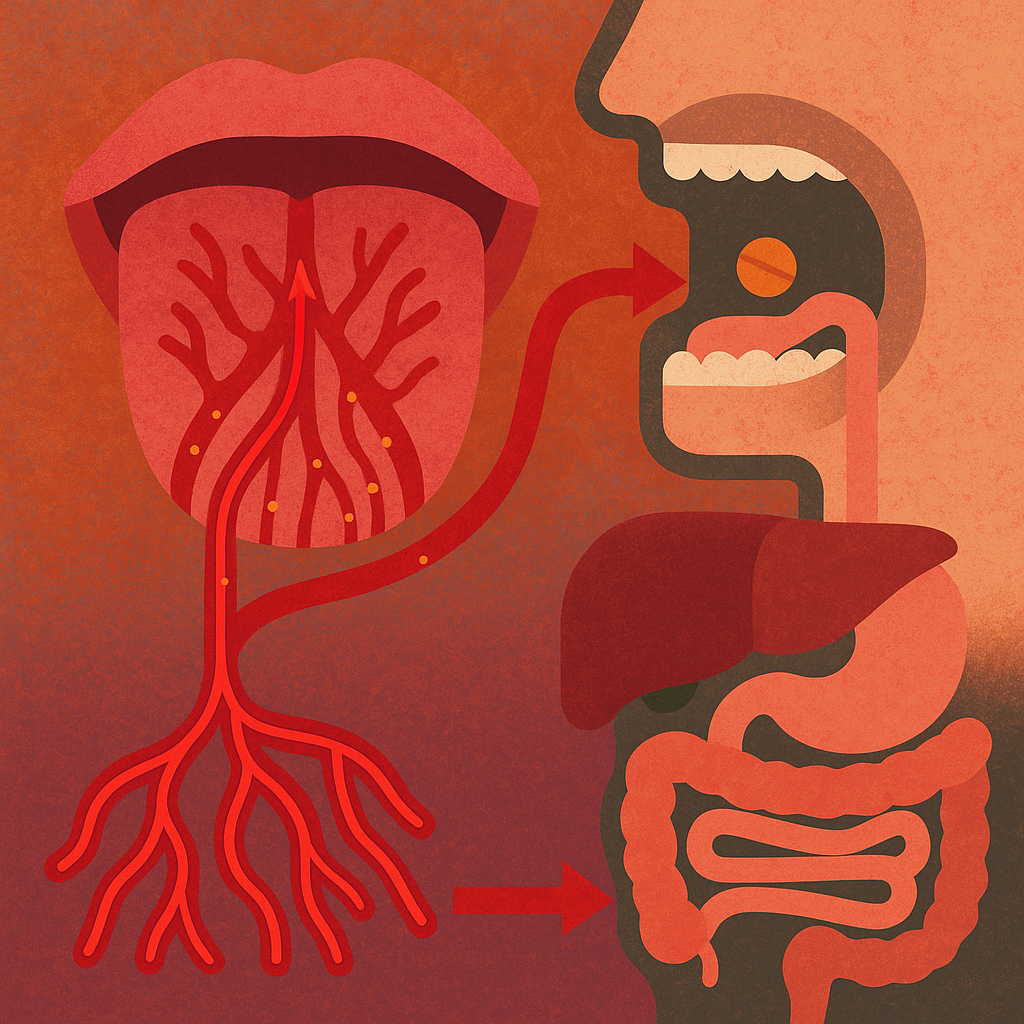
When you swallow a supplement or medication, it travels through your digestive system before reaching the bloodstream. This journey involves several steps: digestion in the stomach, absorption in the intestines, and processing through the liver (known as first-pass metabolism). During this process, digestive enzymes and stomach acid can break down compounds, while the liver may metabolize a significant portion before it reaches systemic circulation. This explains why oral consumption typically results in lower bioavailability. For example, when consuming CBD orally, bioavailability ranges from 6-19%. As detailed in A Comprehensive Guide to CBD and CBG: Promising Alternatives, this reduced efficiency means you may need higher doses to achieve desired effects when swallowing supplements compared to other methods. Despite this limitation, oral consumption offers convenience and longer-lasting effects due to gradual absorption.
Sublingual Administration: The Direct Route

Sublingual administration involves placing a substance under your tongue where it dissolves and absorbs directly into the bloodstream through the mucous membranes. This area is rich in blood vessels that allow for rapid absorption, bypassing the digestive system and first-pass metabolism by the liver. For those exploring options in our Academy resources, sublingual delivery offers several advantages: faster onset of effects (typically 15-30 minutes versus 45-90 minutes for oral consumption), higher bioavailability (up to 35% for some compounds), and more predictable absorption patterns. This method is particularly beneficial for compounds that degrade in the digestive tract or are extensively metabolized by the liver. When checking your CART for wellness products, consider those specifically formulated for sublingual use, as they’re designed to dissolve efficiently under the tongue for optimal absorption.
Comparing Effectiveness: Numbers and Research
Research consistently demonstrates the superior bioavailability of sublingual administration compared to oral consumption. Studies examining cannabinoid absorption show that sublingual CBD may have 2-5 times higher bioavailability than oral methods. A New Frontier in Epilepsy Care: Exploring the Therapeutic B highlights how this difference in absorption can be crucial for those seeking consistent therapeutic effects. The science is clear: when a compound bypasses the digestive system, more of it reaches the bloodstream intact. For example, a 10mg dose administered sublingually might deliver the same effective amount as a 20-30mg oral dose. This efficiency translates to both economic benefits and potentially reduced side effects from lower dosing requirements. Are THC Drinks Healthier Than Alcohol? The Ultimate Comparis often addresses this bioavailability factor when examining different consumption methods, noting that beverages designed for faster absorption may provide more consistent effects.
Factors Affecting Absorption Rates
Several variables influence how effectively your body absorbs substances through either method. For sublingual administration, contact time matters significantly—holding a substance under your tongue for 60-90 seconds allows for optimal absorption before swallowing any remainder. The physical properties of the compound also matter: oil-based formulations often work better sublingually than water-based ones. Individual factors like metabolism, age, and overall health affect absorption rates too. About Natural Pain Relief: How surgeonsolution.io’s Full Spe often discusses how personal physiology can influence which delivery method works best for different individuals. Environmental factors also play a role—consuming substances with certain foods can either enhance or inhibit absorption. “Best Daily Health Habits via Surgeons includes recommendations for timing supplements around meals to maximize their effectiveness, whether taken orally or sublingually.
Practical Applications: Choosing the Right Method
When deciding between sublingual and oral administration, consider your specific needs. Sublingual delivery excels when rapid onset is desired or when dealing with compounds that have poor oral bioavailability. This method is particularly valuable for those exploring options discussed in A Comprehensive Guide to CBD for Autism: Navigating Benefits, where consistent dosing and reliable absorption are essential considerations. Conversely, oral consumption may be preferable when convenience is paramount or when seeking longer-lasting effects. Some products are specifically formulated for one method or the other—tinctures and oils often work well sublingually, while capsules and edibles are designed for swallowing. “Advanced Cannabinoid Wellness: CBD resources often suggest that for daily maintenance, oral methods might suffice, while sublingual administration could be better for addressing immediate concerns. About Us pages of reputable companies typically provide guidance on which of their products are optimized for different consumption methods.
FAQ
How much more effective is sublingual administration compared to swallowing?
Sublingual administration typically delivers 2-5 times higher bioavailability compared to oral consumption, depending on the specific compound. For example, CBD taken sublingually may have 20-35% bioavailability, while swallowed CBD ranges from 6-19%. This means you may need significantly lower doses when using sublingual methods to achieve the same effects as oral consumption.
How long should I hold a substance under my tongue for optimal absorption?
For optimal sublingual absorption, hold the substance under your tongue for 60-90 seconds before swallowing any remainder. This allows sufficient time for the active compounds to penetrate the mucous membranes and enter the bloodstream directly. Shorter durations may result in partial sublingual absorption, with the remainder being processed through the digestive system.
Are there certain compounds that work better with one method versus the other?
Yes, compounds that are easily degraded by stomach acid or extensively metabolized by the liver typically benefit more from sublingual administration. These include many cannabinoids, certain vitamins, and some herbal extracts. Conversely, compounds designed to release slowly or those that require digestive activation may work better when swallowed. Always check product recommendations for the optimal delivery method.
Can I convert any oral supplement to sublingual use?
Not all products are suitable for sublingual use. Ideal sublingual products are designed to dissolve efficiently under the tongue and have appropriate carrier oils or delivery systems. Capsules, tablets, and products with unpleasant tastes or irritating ingredients are generally not suitable for sublingual administration. Always use products as directed or consult with a healthcare professional before changing administration methods.
Understanding the difference between sublingual and oral administration empowers you to make more informed decisions about your wellness routine. Experiment with both methods to discover which provides the optimal balance of convenience, effectiveness, and value for your specific needs.
Further reading
- Best Times to Take CBN for Optimal Sleep and Relaxation
- Best Way to Consume HHC: Hexahydrocannabinol Facts
- Best Ways to Smoke or Vaporize CBD Hemp Flower
- Breaking New Ground: The Promise of CBD and CBG for Autism T
- Browse Surgeons Products Online Today For Best Selections
- CBD & Hemp Extracted Dog / Pet Oil 1000mg
- CBD Hemp Flower vs. THC Flower: Key Differences Explained
- CBD Topicals for Neuropathy: A Natural Pain Solution
References
- FDA: Cannabis and Cannabis-Derived Products (Including CBD) – Public Health Focus
- FDA Consumer Update: What You Need to Know About Products Containing Cannabis or CBD
- NIH NCCIH: Cannabidiol (CBD) – What You Need To Know
- NIH MedlinePlus: Cannabidiol (CBD) – Supplement Information
- NIDA: Cannabis (Marijuana) Research & Facts
- CDC: Marijuana and Public Health
- SAMHSA: Marijuana Risks (Public Health Information)
- National Academies (NASEM): The Health Effects of Cannabis and Cannabinoids (2017 Report)
- ClinicalTrials.gov: Studies on Cannabidiol (CBD)
- PubMed: Cannabidiol (CBD) – Literature
Leave a Reply