
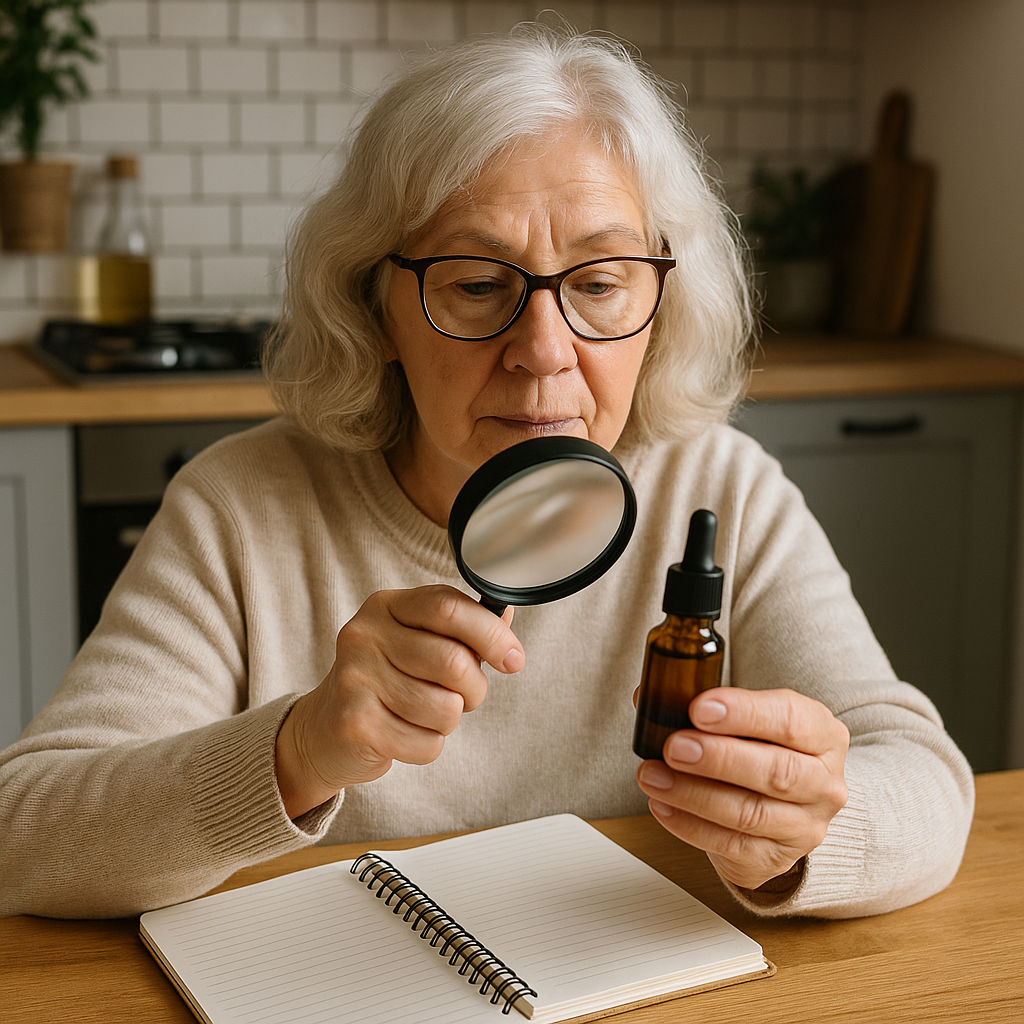

How Seniors Can Start CBD Safely
For seniors exploring wellness options, CBD has emerged as a popular supplement that may support quality of life. Starting CBD safely requires understanding dosages, product types, and potential interactions with medications. This guide offers practical advice for older adults interested in incorporating CBD into their wellness routine, with an emphasis on safety, education, and consultation with healthcare providers.
Understanding CBD Basics for Seniors

CBD (cannabidiol) is a non-intoxicating compound derived from hemp plants that has gained attention for its potential wellness benefits. Unlike THC, CBD doesn’t produce a “high” feeling, making it appealing for seniors seeking natural support options. Are Cannabinoids the Future of natural healthcare solutions? Many researchers believe they show promise. CBD works with the body’s endocannabinoid system, which helps regulate sleep, mood, and comfort levels. For older adults specifically, CBD may support joint mobility, promote relaxation, and help maintain healthy sleep patterns. Before starting, seniors should familiarize themselves with product types including oils, capsules, topicals, and edibles. The Academy offers educational resources that can help beginners understand the fundamentals of cannabinoids and their potential applications in senior wellness.
Consulting Healthcare Providers First

Before beginning any CBD regimen, seniors should consult with their healthcare provider, especially those taking prescription medications. This step is crucial as CBD may interact with certain medications, particularly those metabolized by the liver’s cytochrome P450 enzyme system. These include blood thinners, heart rhythm medications, thyroid medications, and some seizure medications. Your doctor can provide personalized guidance based on your medical history and current prescriptions. When discussing CBD with your physician, bring information about products you’re considering. A Comprehensive Guide to CBD and CBG: Promising Alternatives can provide valuable information to share with your healthcare team. Be prepared to discuss your wellness goals and any concerns. If your primary physician isn’t knowledgeable about CBD, consider seeking a healthcare provider with experience in cannabinoid therapies who can offer informed guidance.
Starting Low and Going Slow

The golden rule for seniors beginning CBD is “start low and go slow.” Older adults often have slower metabolisms and may be more sensitive to supplements. Begin with a minimal dose—typically 5-10mg once daily—and observe how your body responds over several days. Keep a journal to track effects, noting any changes in sleep, comfort levels, or mood. If needed, gradually increase your dosage by small increments (5mg) every 5-7 days until you find your optimal level. This methodical approach helps minimize unwanted effects while identifying your personal “sweet spot.” About Natural Pain Relief: How surgeonsolution.io’s Full Spectrum products work explains why patience matters when finding your ideal dosage. Remember that CBD isn’t a one-size-fits-all solution; what works for one person may differ for another. “Advanced Cannabinoid Wellness: CBD resources can help you understand personalized dosing approaches based on your specific needs and body chemistry.
Choosing Quality Products for Senior Wellness
Quality matters tremendously when selecting CBD products for seniors. Look for companies that provide comprehensive third-party lab testing results (Certificates of Analysis) verifying cannabinoid content and confirming the absence of contaminants like pesticides, heavy metals, and residual solvents. Full-spectrum products contain multiple cannabinoids and terpenes that work together in what’s called the “entourage effect,” potentially offering enhanced benefits compared to CBD isolate. However, these contain trace amounts of THC (less than 0.3%). Seniors concerned about THC can choose broad-spectrum products, which offer multiple cannabinoids without THC, or CBD isolate, which is pure CBD. Consider delivery methods based on your needs—oils offer flexible dosing, capsules provide convenience, and topicals target specific areas. About Us pages on reputable company websites should transparently share their cultivation practices, extraction methods, and quality control processes.
Monitoring Effects and Potential Interactions
As you begin using CBD, careful monitoring is essential. Keep track of how you feel before and after doses, noting any changes in sleep quality, comfort levels, energy, and overall wellbeing. Watch for side effects, which are typically mild but may include dry mouth, drowsiness, lightheadedness, or digestive changes. If you experience any concerning symptoms, reduce your dosage or discontinue use and consult your healthcare provider. Seniors taking medications should be particularly vigilant about potential interactions. CBD may affect how your body processes certain drugs, potentially increasing or decreasing their effectiveness. A New Frontier in Epilepsy Care: Exploring the Therapeutic B highlights how CBD’s interactions with medications are being studied extensively. Regular check-ins with your healthcare provider are recommended, especially when adjusting dosages of either CBD or prescription medications. Create an Account on trusted wellness platforms to receive updates on the latest research regarding CBD and medication interactions.
Exploring Different CBD Formats for Senior Needs
CBD comes in various formats, each offering unique benefits for seniors with different needs and preferences. Tinctures (oils) provide precise dosing and fast absorption when placed under the tongue, making them ideal for those seeking flexible administration. Capsules offer convenience and consistent dosing without the earthy taste some find unpleasant. Topicals like creams and balms target specific areas and may support joint and muscle comfort without entering the bloodstream significantly. For seniors with swallowing difficulties, water-soluble CBD can be mixed into beverages. Edibles like gummies provide a tasty option but typically have slower onset times. Are THC Drinks Healthier Than Alcohol? The Ultimate Comparis examines alternative consumption methods that might interest seniors looking to reduce alcohol intake. “Best Daily Health Habits via Surgeons includes recommendations for incorporating CBD products into daily wellness routines. A Comprehensive Guide to CBD for Autism: Navigating Benefits also contains valuable information about different delivery methods that can be applicable to seniors with various needs.
FAQ
Will CBD make me feel ‘high’ or impaired?
No, CBD derived from hemp contains minimal THC (less than 0.3%) and doesn’t cause intoxication or impairment. Unlike THC, CBD doesn’t produce a euphoric effect. Most seniors report feeling normal after taking CBD, though some notice subtle improvements in relaxation and comfort. If you’re concerned, start with CBD isolate or broad-spectrum products that contain zero THC.
How long does it take for CBD to work for seniors?
The timeline varies depending on the delivery method and individual factors. Sublingual oils typically begin working within 15-45 minutes, while edibles and capsules may take 1-2 hours as they pass through the digestive system. For some wellness goals, seniors might notice immediate effects, while other benefits may develop gradually over weeks of consistent use. Patience and consistent dosing are key.
Can I travel with my CBD products?
Hemp-derived CBD containing less than 0.3% THC is federally legal in the US, but regulations vary by state and internationally. When traveling domestically, bring your product’s Certificate of Analysis showing its legal THC content. For international travel, research destination country laws carefully—many countries prohibit CBD entirely. Always keep products in original packaging with labeling intact.
How do I know if CBD is working for me?
Tracking your experience is essential. Keep a journal noting your dosage, time taken, and any changes in your targeted concerns (sleep quality, comfort levels, mood, etc.). Set realistic expectations—CBD often provides subtle support rather than dramatic effects. Give it at least 2-4 weeks of consistent use before evaluating effectiveness. If you’re unsure about benefits, consider a two-week break to see if you notice differences when not taking it.
Starting CBD as a senior requires education, caution, and personalized guidance from healthcare providers. By choosing quality products, starting with low doses, and monitoring effects carefully, older adults can explore whether CBD supports their wellness goals while maintaining safety and peace of mind.
Further reading
- Best Times to Take CBN for Optimal Sleep and Relaxation
- Best Way to Consume HHC: Hexahydrocannabinol Facts
- Best Ways to Smoke or Vaporize CBD Hemp Flower
- Breaking New Ground: The Promise of CBD and CBG for Autism T
- Browse Surgeons Products Online Today For Best Selections
- CBD & Hemp Extracted Dog / Pet Oil 1000mg
- CBD Hemp Flower vs. THC Flower: Key Differences Explained
- CBD Topicals for Neuropathy: A Natural Pain Solution
References
- FDA: Cannabis and Cannabis-Derived Products (Including CBD) – Public Health Focus
- FDA Consumer Update: What You Need to Know About Products Containing Cannabis or CBD
- NIH NCCIH: Cannabidiol (CBD) – What You Need To Know
- NIH MedlinePlus: Cannabidiol (CBD) – Supplement Information
- NIDA: Cannabis (Marijuana) Research & Facts
- CDC: Marijuana and Public Health
- SAMHSA: Marijuana Risks (Public Health Information)
- National Academies (NASEM): The Health Effects of Cannabis and Cannabinoids (2017 Report)
- ClinicalTrials.gov: Studies on Cannabidiol (CBD)
- PubMed: Cannabidiol (CBD) – Literature
Leave a Reply