
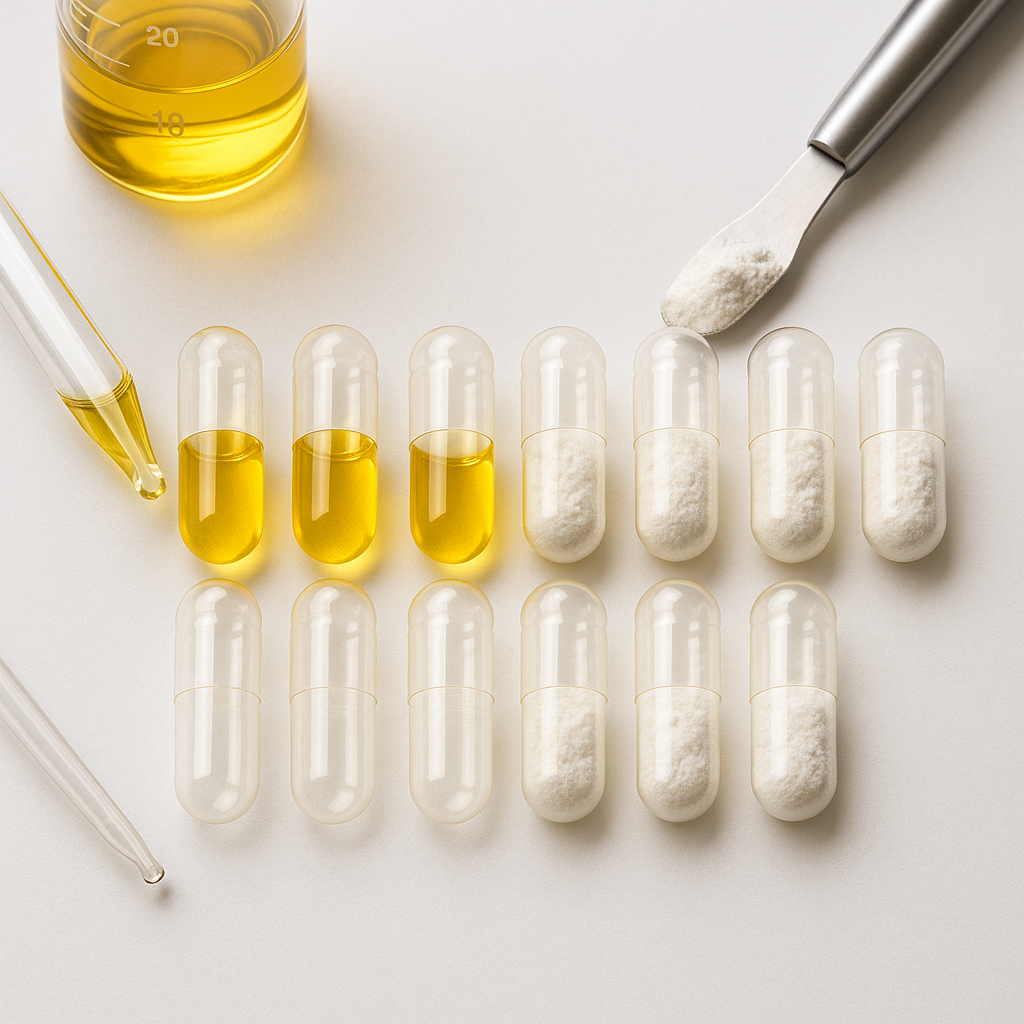

Capsule Fillers: MCT vs Sunflower Lecithin
Choosing the right carrier for your supplements can significantly impact absorption and effectiveness. MCT oil and sunflower lecithin are two popular options for filling capsules, each with distinct properties and benefits. This guide examines both carriers to help you make an informed decision for your wellness routine. Understanding these differences is essential whether you’re creating custom supplements at home or selecting pre-made products.
Understanding Carrier Substances in Capsules

Carrier substances play a crucial role in supplement delivery, affecting everything from stability to bioavailability. MCT (medium-chain triglyceride) oil and sunflower lecithin serve as vehicles that may enhance the absorption of active ingredients while providing their own potential health benefits. While researching carriers, many wellness enthusiasts discover that A Comprehensive Guide to CBD and CBG: Promising Alternatives offers valuable insights into how different carriers interact with cannabinoids. The ideal carrier should be stable, compatible with your active ingredients, and aligned with your dietary preferences. For those new to capsule filling, the Academy offers resources on proper techniques and equipment selection. Understanding these fundamentals helps ensure your supplements deliver maximum benefit with minimal fillers or unnecessary additives.
MCT Oil: Properties and Benefits

MCT oil, derived primarily from coconut or palm kernel oil, consists of medium-chain fatty acids that the body can quickly convert to energy. Its liquid consistency makes it ideal for oil-soluble compounds like fat-soluble vitamins and certain plant extracts. MCT oil remains stable at room temperature and resists oxidation, extending shelf life for your capsules. From a health perspective, MCT oil may support cognitive function, energy levels, and metabolic health. It’s particularly popular among those following ketogenic diets. The neutral taste and odor make it undetectable when encapsulated. However, MCT capsules may cause digestive discomfort for some individuals when first introduced. For those interested in natural wellness approaches, About Natural Pain Relief: How surgeonsolution.io’s Full Spe explores how MCT oil can enhance the delivery of certain compounds. When selecting MCT oil, opt for high-quality, pure sources without additives.
Sunflower Lecithin: Properties and Benefits

Sunflower lecithin is a phospholipid complex derived from sunflower seeds, offering unique properties as a capsule filler. Unlike MCT oil, lecithin acts as an emulsifier, helping to mix oil and water-based substances—making it versatile for various supplement formulations. This property may enhance the bioavailability of certain compounds by improving their absorption in the digestive system. Sunflower lecithin contains choline, which supports brain health and liver function. It’s generally well-tolerated and suitable for those with soy allergies (unlike soy lecithin). Many health enthusiasts exploring Are Cannabinoids the Future of natural healthcare solutions? find that lecithin may enhance the absorption of fat-soluble compounds. Sunflower lecithin comes in liquid and powder forms, with the powder being particularly convenient for capsule filling. It has a mild taste and is less likely to cause digestive upset compared to MCT oil.
Compatibility with Different Supplements
When selecting between MCT oil and sunflower lecithin, consider the specific supplements you’re encapsulating. Oil-soluble compounds like vitamin D, CoQ10, and many botanical extracts typically pair well with MCT oil. “Advanced Cannabinoid Wellness: CBD formulations often utilize MCT oil for its ability to enhance cannabinoid absorption. Conversely, sunflower lecithin excels with compounds that benefit from emulsification, including certain enzymes and mixed oil/water formulations. For those exploring A Comprehensive Guide to CBD for Autism: Navigating Benefits, it’s worth noting that lecithin may enhance the bioavailability of certain compounds. Water-soluble vitamins generally don’t pair well with MCT oil but may benefit from lecithin’s emulsifying properties. Create an Account on supplement forums to discuss specific compatibility questions with experienced formulators. Some advanced users even combine both carriers to maximize absorption and stability, particularly for complex formulations.
Practical Considerations for Home Encapsulation
For home encapsulation, practical factors can influence your carrier choice. MCT oil works well with liquid-filling capsule machines but may leak if capsules aren’t properly sealed. Its slippery nature can make handling messy without appropriate tools. Sunflower lecithin powder blends easily with dry ingredients and creates less mess during the filling process. Storage requirements differ too—MCT oil capsules should be kept cool to prevent rancidity, while lecithin powder capsules are generally more stable at room temperature. Cost considerations may factor in, as high-quality MCT oil typically costs more than sunflower lecithin powder. The About Us section of many supplement suppliers offers guidance on selecting appropriate encapsulation equipment. For beginners, “Best Daily Health Habits via Surgeons resources suggest starting with lecithin powder for easier handling. Consider purchasing small quantities initially to test compatibility with your specific supplement needs.
Special Dietary Considerations and Allergens
Dietary restrictions and allergies should influence your carrier choice. MCT oil is generally compatible with ketogenic, paleo, and low-carb diets, but those with coconut allergies should exercise caution as most MCT oils derive from coconut. Vegans should verify the source, as some MCT oils come from palm kernel (raising sustainability concerns). Sunflower lecithin provides a plant-based alternative suitable for most dietary preferences, including vegan and vegetarian. It’s naturally soy-free, making it appropriate for those with soy allergies. Both carriers are typically gluten-free, but cross-contamination can occur during manufacturing. A New Frontier in Epilepsy Care: Exploring the Therapeutic B includes discussions about allergen considerations when selecting supplement carriers. Those with specific health conditions should consult healthcare providers before choosing either carrier. About the manufacturing process is important too—look for carriers produced without hexane or other harsh chemicals.
FAQ
Can I mix MCT oil and sunflower lecithin in the same capsule?
Yes, you can combine MCT oil and sunflower lecithin in the same capsule. This combination may actually enhance absorption of certain compounds due to lecithin’s emulsifying properties working alongside MCT oil’s fat-soluble nature. The mixture creates a more complex delivery system that some formulators prefer for certain supplements. However, finding the right ratio requires experimentation, and the mixture may have a shorter shelf life than either carrier alone.
How do I prevent MCT oil capsules from leaking?
To prevent MCT oil capsules from leaking, ensure you’re using capsules specifically designed for liquids (typically labeled as ‘liquid capsules’ or having a band-sealed design). Fill capsules only to about 80-90% capacity to allow for expansion. Store filled capsules upright until the oil has fully settled. Refrigerating capsules after filling can help solidify the oil slightly. Using a capsule sealing device or band-sealing capsules provides additional protection against leakage.
Is sunflower lecithin better than soy lecithin for capsules?
Sunflower lecithin is generally preferred over soy lecithin for capsules by those with soy allergies or sensitivities. It also appeals to individuals avoiding genetically modified organisms, as soy is commonly GMO. The nutritional profiles are similar, though some find sunflower lecithin has a milder taste. From a functional perspective, both work effectively as emulsifiers and capsule fillers, with the choice often coming down to personal preference and dietary considerations.
How long do homemade capsules with MCT oil or lecithin typically last?
Homemade capsules with MCT oil typically remain stable for 6-12 months when stored in a cool, dark place. Sunflower lecithin capsules generally have a similar shelf life but may extend to 12-18 months due to lecithin’s natural preservative properties. Factors affecting longevity include the quality of the carrier, additional ingredients, exposure to heat/light, and capsule quality. Using opaque containers, refrigeration, and oxygen absorbers can extend shelf life. Always check for rancidity before consumption.
Are there any supplements that shouldn’t use either MCT oil or sunflower lecithin?
Some probiotics may degrade when exposed to oils or emulsifiers, making both MCT oil and sunflower lecithin potentially problematic carriers. Highly moisture-sensitive compounds may not pair well with lecithin due to its hygroscopic nature. Certain enzymes can be deactivated by oils. Water-soluble vitamins generally absorb better with other carriers. Are THC Drinks Healthier Than Alcohol? The Ultimate Comparis discusses similar compatibility considerations. When in doubt, research the specific supplement’s stability requirements or consult with a formulation specialist.
Whether you choose MCT oil for its stability and fat-solubility or sunflower lecithin for its emulsifying properties and allergen-friendly profile, selecting the right carrier enhances the effectiveness of your supplements. Consider your specific needs, the compounds you’re encapsulating, and your dietary preferences when making your decision.
Further reading
- Best Times to Take CBN for Optimal Sleep and Relaxation
- Best Way to Consume HHC: Hexahydrocannabinol Facts
- Best Ways to Smoke or Vaporize CBD Hemp Flower
- Breaking New Ground: The Promise of CBD and CBG for Autism T
- Browse Surgeons Products Online Today For Best Selections
- CBD & Hemp Extracted Dog / Pet Oil 1000mg
- CBD Hemp Flower vs. THC Flower: Key Differences Explained
- CBD Topicals for Neuropathy: A Natural Pain Solution
References
- FDA: Cannabis and Cannabis-Derived Products (Including CBD) – Public Health Focus
- FDA Consumer Update: What You Need to Know About Products Containing Cannabis or CBD
- NIH NCCIH: Cannabidiol (CBD) – What You Need To Know
- NIH MedlinePlus: Cannabidiol (CBD) – Supplement Information
- NIDA: Cannabis (Marijuana) Research & Facts
- CDC: Marijuana and Public Health
- SAMHSA: Marijuana Risks (Public Health Information)
- National Academies (NASEM): The Health Effects of Cannabis and Cannabinoids (2017 Report)
- ClinicalTrials.gov: Studies on Cannabidiol (CBD)
- PubMed: Cannabidiol (CBD) – Literature
Leave a Reply