
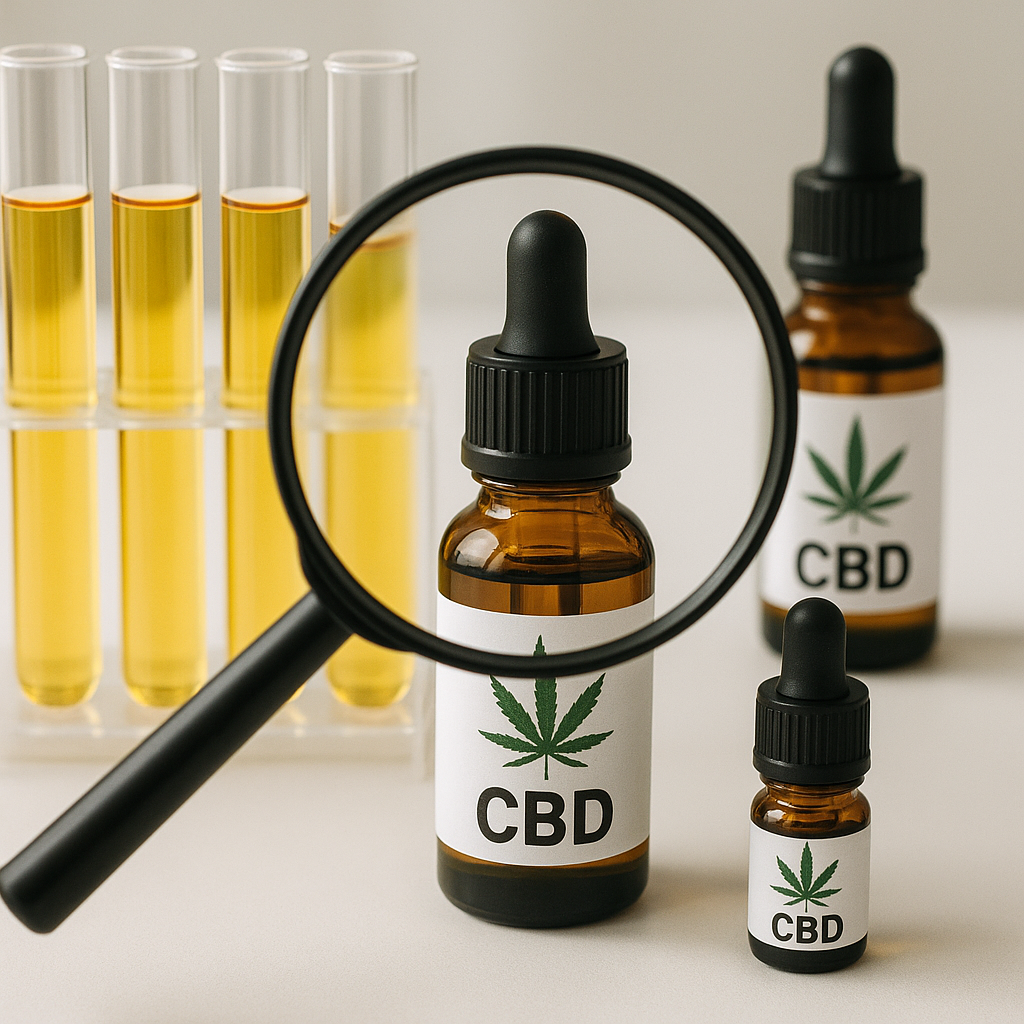

Does Full-Spectrum CBD Show Up on Drug Tests?
Full-spectrum CBD products have gained popularity for their potential wellness benefits, but many users worry about drug testing implications. This guide explores what full-spectrum means, how drug tests work, and practical considerations for CBD users concerned about testing positive. Understanding the entourage effect and THC content in full-spectrum products is essential for making informed decisions about your wellness routine.
Understanding Full-Spectrum CBD Products

Full-spectrum CBD contains all naturally occurring compounds found in the cannabis plant, including trace amounts of THC (typically less than 0.3%). Unlike CBD isolate or broad-spectrum options, full-spectrum products may support the “entourage effect” – a synergistic interaction between cannabinoids and terpenes that potentially enhances benefits. As discussed in A Comprehensive Guide to CBD and CBG: Promising Alternatives, these whole-plant extracts contain various cannabinoids including CBD, CBG, CBN, and others, along with terpenes and flavonoids. The legal threshold for hemp-derived products is 0.3% THC by dry weight, which distinguishes them from marijuana products. While this amount is minimal, it’s important to understand how these trace amounts might affect drug testing outcomes.
How Drug Tests Work and What They Detect

Standard drug tests typically screen for THC-COOH, a metabolite produced when your body processes THC. Most employment drug tests use immunoassay screening with cutoff levels between 15-100 ng/mL. The most common test, the 5-panel test, screens for THC alongside other substances. If you’re researching cannabinoids as discussed in Are Cannabinoids the Future of natural healthcare solutions?, understanding testing methods becomes crucial. Tests don’t specifically look for CBD, but the THC in full-spectrum products could potentially trigger a positive result. Factors affecting detection include product potency, frequency of use, metabolism, and body composition. More sensitive confirmatory tests like gas chromatography/mass spectrometry (GC/MS) may be used to verify positive screenings and can detect even smaller amounts of THC metabolites.
Risk Factors for Testing Positive

Several factors influence whether full-spectrum CBD might trigger a positive drug test. Product quality and accurate labeling are paramount – some products contain more THC than advertised. Cumulative consumption matters; regular use of full-spectrum products may cause THC to accumulate in your system. Individual metabolism plays a significant role, as some people process cannabinoids more slowly. Dosage is another critical factor – higher doses mean more THC intake. The Academy resources on our site provide educational materials about cannabinoid processing in the body. Product source is equally important; reputable manufacturers provide third-party lab results verifying THC content. Those subject to regular testing should consider that detection windows vary from 3-30+ days depending on usage patterns. Additionally, certain medications or foods (like hemp seeds) could potentially cause false positives on less sophisticated tests.
Alternatives for Those Concerned About Testing
If you’re worried about drug testing but still want to explore cannabinoid benefits, several alternatives exist. Broad-spectrum CBD contains multiple cannabinoids but undergoes additional processing to remove THC. CBD isolate is the purest form, containing only CBD with no other cannabinoids. These options may still provide benefits without the THC risk. “Advanced Cannabinoid Wellness: CBD resources can help you understand different product types. When shopping, always verify products with Certificate of Analysis (COA) reports from third-party labs. Some companies specialize in THC-free formulations specifically designed for those concerned about testing. About Natural Pain Relief: How surgeonsolution.io’s Full Spe explains various options for those seeking relief without THC. Remember that individual responses vary, and what works for one person may not work for another. Create an Account on trusted retailer websites to access detailed product information and lab reports before purchasing.
Best Practices for Full-Spectrum CBD Users
If you choose full-spectrum products despite testing concerns, implement these best practices. First, research product quality thoroughly and only purchase from reputable companies with comprehensive third-party testing. Start with low doses to gauge your body’s response. Consider timing – if you know a test is coming, you might temporarily switch to CBD isolate or abstain completely. Some users report success with temporary detox protocols, though effectiveness varies. Maintain open communication with employers about CBD use where appropriate and legal protections exist. Document your purchases and keep COAs that verify legal THC levels. The About Us section of reputable companies often details their testing protocols. “Best Daily Health Habits via Surgeons resources may provide additional wellness context. For those using CBD for specific concerns, as explored in A Comprehensive Guide to CBD for Autism: Navigating Benefits, balancing potential benefits against testing risks requires careful consideration.
Legal Considerations and Workplace Policies
The legal landscape surrounding CBD and drug testing continues to evolve. While the 2018 Farm Bill legalized hemp-derived CBD containing less than 0.3% THC federally, state laws vary significantly. Some states have implemented workplace protections for legal CBD users, while others maintain zero-tolerance policies. Understanding your employer’s specific drug testing policy is crucial. Some workplaces differentiate between THC from marijuana and hemp-derived products, while others don’t. Certain industries (transportation, healthcare, federal positions) face stricter regulations regardless of source. If you’re comparing cannabis products to traditional options, as in Are THC Drinks Healthier Than Alcohol? The Ultimate Comparis, remember that testing standards differ substantially. Those using CBD for health support, including applications discussed in A New Frontier in Epilepsy Care: Exploring the Therapeutic B, should balance potential benefits against employment considerations.
FAQ
How long does THC from full-spectrum CBD stay in your system?
THC from full-spectrum products can remain detectable for varying periods depending on frequency of use, dosage, metabolism, and test sensitivity. For occasional users, THC metabolites typically remain detectable in urine for 3-7 days. Regular users might test positive for 10-21 days, while heavy, consistent users could test positive for 30+ days. Hair tests have the longest detection window (up to 90 days), while blood and saliva tests typically detect recent use only (24-72 hours).
Can I fail a drug test from using legally purchased full-spectrum CBD products?
Yes, it’s possible to fail a drug test from using legally purchased full-spectrum CBD products, even when they contain less than 0.3% THC. Drug tests don’t distinguish between THC from marijuana and THC from hemp-derived CBD products. Regular use of full-spectrum products may lead to THC accumulation in your system that exceeds test cutoff thresholds. This creates a challenging situation where users may be consuming legal products but still face employment consequences from positive drug tests.
What’s the difference between full-spectrum, broad-spectrum, and CBD isolate regarding drug tests?
Full-spectrum CBD contains all cannabinoids naturally present in the cannabis plant, including up to 0.3% THC, which may trigger positive drug tests with regular use. Broad-spectrum CBD undergoes additional processing to remove THC while retaining other cannabinoids and terpenes, significantly reducing (but not eliminating) the risk of positive results. CBD isolate is pure CBD with all other compounds removed, including THC, making it the safest option for those concerned about drug testing, though it may not offer the potential benefits of the entourage effect.
How can I verify the THC content in my full-spectrum CBD product?
To verify THC content in full-spectrum products, always request the Certificate of Analysis (COA) from third-party laboratory testing. Reputable companies make these readily available on their websites or via QR codes on packaging. The COA should specifically list THC content percentages and confirm levels are below 0.3%. Look for comprehensive panels that test for potency, heavy metals, pesticides, and microbial contaminants. Batch-specific testing is preferable to generic results. If a company cannot or will not provide current lab results, consider this a red flag and choose another product.
Are there any ways to flush THC from my system before a drug test?
While many detox methods claim to clear THC from your system quickly, scientific evidence for their effectiveness is limited. Staying hydrated, exercising regularly, and maintaining a healthy diet may support your body’s natural elimination processes, but won’t guarantee passing a test after recent use. The most reliable approach is to discontinue full-spectrum CBD use well before anticipated testing. The exact timeframe depends on your usage patterns, metabolism, and the test’s sensitivity. For those with medical needs, consulting with healthcare providers about CBD isolate alternatives may be appropriate.
Understanding the relationship between full-spectrum CBD products and drug testing is essential for making informed wellness choices. If you’re subject to drug testing, consider CBD isolate or broad-spectrum alternatives, always verify third-party lab results, and when in doubt, consult with professionals familiar with your specific situation.
Further reading
- Best Times to Take CBN for Optimal Sleep and Relaxation
- Best Way to Consume HHC: Hexahydrocannabinol Facts
- Best Ways to Smoke or Vaporize CBD Hemp Flower
- Breaking New Ground: The Promise of CBD and CBG for Autism T
- Browse Surgeons Products Online Today For Best Selections
- CBD & Hemp Extracted Dog / Pet Oil 1000mg
- CBD Hemp Flower vs. THC Flower: Key Differences Explained
- CBD Topicals for Neuropathy: A Natural Pain Solution
References
- FDA: Cannabis and Cannabis-Derived Products (Including CBD) – Public Health Focus
- FDA Consumer Update: What You Need to Know About Products Containing Cannabis or CBD
- NIH NCCIH: Cannabidiol (CBD) – What You Need To Know
- NIH MedlinePlus: Cannabidiol (CBD) – Supplement Information
- NIDA: Cannabis (Marijuana) Research & Facts
- CDC: Marijuana and Public Health
- SAMHSA: Marijuana Risks (Public Health Information)
- National Academies (NASEM): The Health Effects of Cannabis and Cannabinoids (2017 Report)
- ClinicalTrials.gov: Studies on Cannabidiol (CBD)
- PubMed: Cannabidiol (CBD) – Literature
Leave a Reply