Research shouldn’t require a PhD to read. We summarize peer‑reviewed studies on cannabinoids, methodology, outcomes, and limitations. Each article includes citations and a quick ‘what this means’ section so you can separate signal from noise.
Curious about how hemp might support your heart? If you or a loved one are dealing with cardiovascular issues, you may be wondering if hemp-derived products could offer any benefits. The research is still emerging, but there are some promising signs that certain hemp compounds may help support heart and circulatory health. Let’s take a look at what the science says, and how you can incorporate hemp into your wellness routine.
Have you ever wondered how hemp could impact your heart health? One of the most well-studied hemp compounds for heart health is CBD. Numerous studies have found that CBD may help regulate blood pressure, improve circulation, and reduce inflammation – all of which are important for maintaining a healthy cardiovascular system. The reality is, CBD interacts with the endocannabinoid system, which plays a key role in regulating things like blood flow and blood pressure.
Another hemp compound that’s garnering attention is CBG. Early research indicates CBG may have vasodilatory effects, meaning it can help dilate blood vessels and improve circulation. This could be particularly helpful for those with high blood pressure or atherosclerosis (hardening of the arteries).
CBD may help: Regulate blood pressure and improve circulation
CBG shows promise: For vasodilation and improved blood flow
Hemp contains: Beneficial compounds like omega-3s and antioxidants
Bottom line: The research on hemp for cardiovascular health is still in the early stages, but the initial findings are quite promising. Certain hemp compounds appear to have beneficial effects on blood pressure, circulation, and inflammation – all of which are crucial for maintaining a healthy heart.
How to Use Hemp Products for Cardiovascular Support
Thinking about trying hemp products for your heart? If you’re interested in trying hemp products to support your heart health, there are a few main formats to consider. Tinctures and oils are a popular choice, as they allow for precise dosing and relatively quick absorption. Many people find they feel the effects of a CBD or CBG tincture within 15-45 minutes.
Topical hemp creams and salves can also be helpful, especially for targeting localized issues like poor circulation or inflammation. And for a more full-spectrum approach, you could look into hemp flower or extract capsules that contain a range of beneficial cannabinoids and terpenes.
Tinctures, oils, topicals, and capsules: Common hemp formats
Start with low doses: 5-10mg and increase slowly as needed
Look for brands: That offer third-party lab testing and transparency
Bottom line: Incorporating hemp into your wellness routine is a relatively simple way to potentially support cardiovascular health. Just be sure to start low, go slow, and choose high-quality products from trustworthy brands.
Frequently Asked Questions
How long does it take for hemp products to work for heart health?
The effects of hemp compounds like CBD and CBG can typically be felt within 15-45 minutes when taken as a tincture or oil. However, for more long-term cardiovascular benefits, it’s recommended to take hemp products consistently over time. Many people find the best results after 2-4 weeks of daily use.
Can I use hemp cream with other heart medications?
It’s generally safe to use hemp topicals like creams and salves alongside other heart medications. However, it’s always a good idea to check with your healthcare provider first, especially if you’re taking blood thinners or other cardiovascular medications. They can provide guidance on potential interactions and help you find the right approach for your individual needs.
What’s the best way to find high-quality hemp products?
When shopping for hemp products to support your heart health, look for brands that provide third-party lab testing results (also known as COAs or Certificates of Analysis). This allows you to verify the potency and purity of the hemp extract. You’ll also want to choose products from companies that are transparent about their sourcing, extraction methods, and manufacturing processes.
Key Takeaways
Hemp compounds may benefit heart health: Research suggests CBD and CBG may help with blood pressure and circulation.
Start low, go slow: Begin with small doses and increase gradually, choosing products from reputable brands.
Consult your healthcare provider: Always check with a professional before adding new supplements to your routine.
Did you know your body has its own cannabis-like system? The endocannabinoid system (ECS) is a complex network that helps maintain balance in your body. Understanding how cannabinoids like CBD and THC interact with this system can be a game-changer for your wellness routine.
Here’s what’s interesting: the ECS is often called the body’s own cannabis-like system. It’s made up of endocannabinoids, which are compounds your body naturally produces, and the receptors they bind to. The two main receptors are CB1, found mostly in the brain and nervous system, and CB2, which is more prevalent in the immune system and peripheral organs.
Regulation of crucial functions: The ECS helps regulate mood, sleep, appetite, pain response, and immune function.
Endocannabinoids: Compounds like anandamide and 2-AG interact with CB1 and CB2 receptors to maintain homeostasis.
Potential disruptions: Disruptions in the ECS have been linked to conditions like chronic pain, anxiety, and depression.
Bottom line: The endocannabinoid system is a complex network that plays a vital role in whole-body health and balance.
How Do Cannabinoids Work with the ECS?
What many people don’t realize is that cannabinoids are chemical compounds found in the cannabis plant that interact with your ECS in different ways. THC binds directly to CB1 receptors, mimicking the effects of your natural endocannabinoids. CBD, on the other hand, doesn’t bind as strongly to CB receptors. Instead, it influences the ECS indirectly by inhibiting the enzymes that break down your body’s own endocannabinoids.
THC’s role: Binds to CB1 receptors, producing psychoactive “high” effects.
CBD’s influence: Doesn’t bind strongly to CB receptors, but modulates the ECS in other ways.
Other cannabinoids: Compounds like CBG, CBN, and CBC also interact with the ECS.
Bottom line: Cannabinoids like THC and CBD can influence the endocannabinoid system, producing a variety of potential effects.
Why Support the ECS?
The reality is, by interacting with the endocannabinoid system, cannabinoids may help support a range of bodily functions. Research suggests cannabinoids may help promote healthy sleep, manage pain and inflammation, and provide neuroprotective benefits. Many people also report that cannabinoids help them maintain a positive mood and healthy stress response. Of course, individual results can vary, and more research is still needed. But the potential of the ECS is an exciting area of study.
Promoting sleep and pain management: Cannabinoids may help with healthy sleep and pain relief.
Supporting mood and stress: Cannabinoids may support a healthy mood and stress response.
Need for more research: Individual results can vary, and more research is still needed.
Bottom line: By supporting the endocannabinoid system, cannabinoids may provide a wide range of potential benefits, though more research is still needed.
Frequently Asked Questions
How do I know if a CBD product will work for me?
The effects of CBD can vary quite a bit from person to person. A lot depends on factors like your individual endocannabinoid system, the quality and potency of the product, and how you’re taking it. The best advice is to start with a low dose, like 5-10mg, and gradually increase every few days until you find what works best for you. Be patient and listen to your body. And always look for third-party lab testing to ensure you’re getting a high-quality, pure CBD product.
Can I use CBD with other medications?
It’s generally safe to use CBD alongside most medications. However, CBD can interact with certain prescription drugs, so it’s important to talk to your doctor first, especially if you’re taking blood thinners, seizure medications, or high blood pressure drugs. Your doctor can help you determine the right dosage and timing to avoid any potential interactions. As always, start low and go slow when adding CBD to your routine.
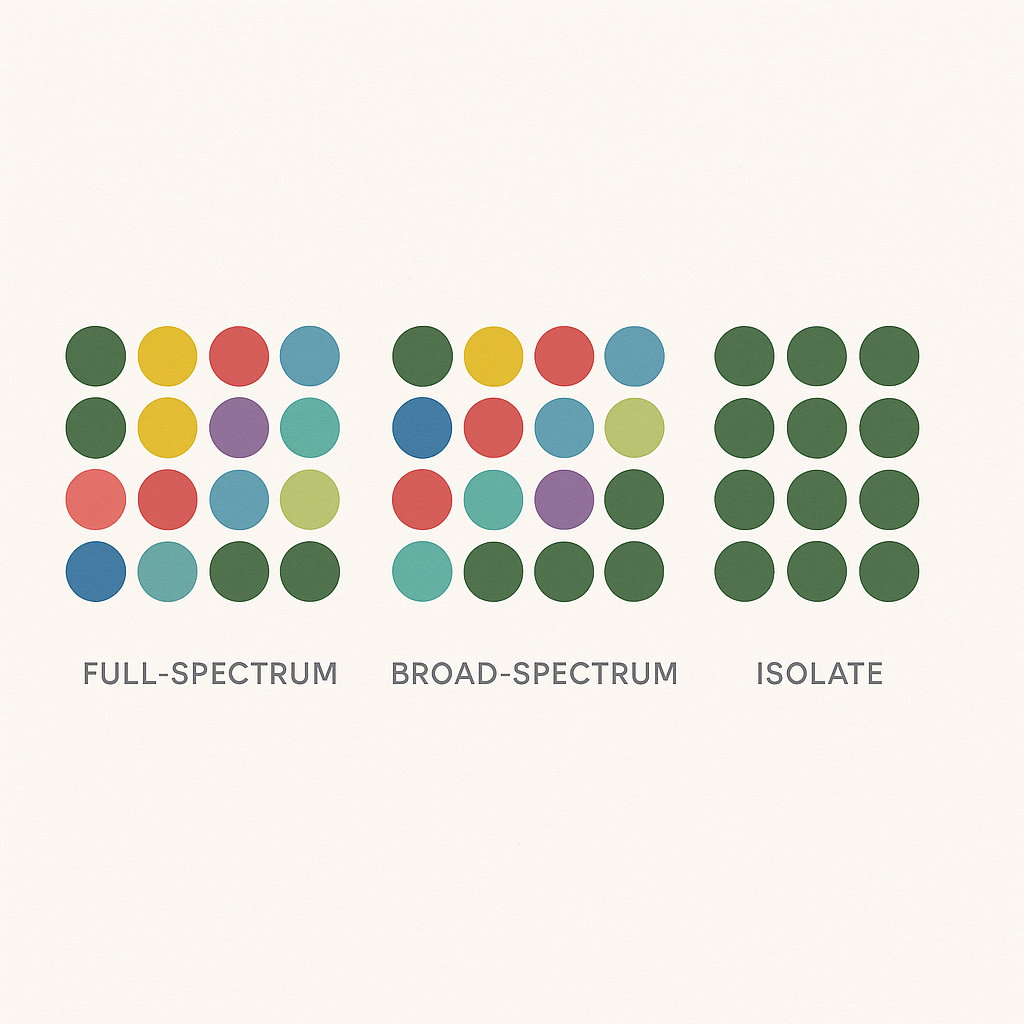
What’s the difference between full-spectrum, broad-spectrum, and isolate CBD?
The main difference comes down to the other compounds present in the CBD product besides CBD itself. Full-spectrum CBD contains a full range of cannabinoids, terpenes, and other hemp compounds, including trace amounts of THC (less than 0.3%). Broad-spectrum also has a range of hemp compounds, but the THC has been removed. CBD isolate, on the other hand, is pure CBD with no other cannabinoids present. Many people find that full-spectrum or broad-spectrum CBD provides enhanced benefits due to the entourage effect, but individual preferences can vary.
Key Takeaways
The endocannabinoid system is crucial: Understanding its role can help you make informed wellness choices.
Cannabinoids offer potential benefits: They may help with sleep, pain, and mood, but more research is needed.
Seek quality products: Look for reputable brands with third-party lab testing to ensure you’re getting the best.
The world of cannabinoids is rapidly evolving. With new discoveries and innovations emerging all the time, there’s a lot to be excited about. Let’s explore some of the latest industry insights that point to an incredibly promising future for these remarkable plant compounds. Here’s why this matters to you.
Have you ever wondered about the potential of cannabinoids beyond just CBD and THC? The reality is, there’s a whole world of minor and rare cannabinoids like CBG, CBN, and THCV that are starting to garner significant attention. As analytical testing capabilities advance, we’re uncovering the vast array of beneficial cannabinoids present in the cannabis and hemp plants.
Rare cannabinoids: Compounds like CBG, CBN, and THCV are being studied for their unique effects.
Improved testing: Allows us to identify the full spectrum of beneficial plant compounds.
Diverse applications: This cannabinoid diversity enables more tailored wellness solutions.
Bottom line: The future of cannabinoids lies in harnessing the full spectrum of these remarkable plant compounds to address a wide range of health and wellness needs.
Innovative Ways to Consume Cannabinoids
Imagine being able to dial in the exact dose and onset time of your cannabinoids. That’s where precision delivery systems come in. We’re seeing the emergence of advanced transdermal patches, metered-dose inhalers, and even dissolvable oral strips that can fine-tune the absorption and onset of effects.
New delivery methods: Transdermal patches and oral strips enable precise dosing.
Improved absorption: Leads to more personalized cannabinoid experiences.
Enhanced user experience: These innovations enhance the therapeutic potential.
Bottom line: Precision delivery systems are revolutionizing the way we consume and benefit from cannabinoids, ushering in a new era of personalized wellness solutions.
Cannabinoids in Targeted Therapies
What many people don’t realize is how versatile cannabinoids can be. As our understanding of the endocannabinoid system deepens, we’re uncovering more potential therapeutic applications for cannabinoids. From pain management and sleep support to neurological conditions and immune system modulation, the possibilities are truly remarkable.
Wide range of applications: Cannabinoids show promise for various therapeutic uses.
Emerging research: Explores using cannabinoids for neurological and immune conditions.
Revolutionary treatments: Targeted cannabinoid therapies could transform certain disease treatments.
Bottom line: The therapeutic potential of cannabinoids continues to expand, with exciting possibilities for addressing an ever-growing range of health concerns.
Frequently Asked Questions
How can I ensure I’m getting high-quality cannabinoid products?
When it comes to cannabinoid products, quality is paramount. Look for established brands that provide transparent third-party lab testing and COA certificates. Reputable companies will make it easy for you to access batch-specific testing results, so you can verify the potency and purity of what you’re purchasing. Start low, go slow, and consult with healthcare providers, as individual results may vary.
What’s the best way to determine the right cannabinoid dosage for my needs?
Finding the optimal cannabinoid dosage is a highly individualized process. Many people start with a low dose, like 5-10mg, and gradually increase by 2.5mg every few days until they find the sweet spot. The effects are typically felt within 15-45 minutes, so pay close attention to how your body responds. Remember, start low and go slow – this principle is key for discovering your ideal cannabinoid regimen.
Can I use cannabinoid products alongside my other medications?
It’s important to consult with your healthcare provider before using cannabinoid products, especially if you’re taking other medications. While cannabinoids are generally well-tolerated, there is the potential for interactions. Your provider can help you understand any potential risks and guide you on safely incorporating cannabinoids into your wellness routine. Individual results may vary, so open communication is essential.
Key Takeaways
Expanding diversity: The future of cannabinoids involves exploring a wide range of plant compounds for targeted wellness applications.
Precision delivery: Innovative systems are making cannabinoid consumption more personalized and effective.
Therapeutic potential: Cannabinoids may help address a growing range of health concerns, with research suggesting exciting possibilities.
The world of CBD and cannabis is rapidly changing, with new laws and regulations popping up all the time. As a consumer, it’s important to stay up-to-date on the latest legal developments so you can make informed choices. In this article, we’ll dive into the current legal landscape and what it means for you.
Here’s what’s interesting: In 2018, the Farm Bill was passed, which federally legalized the cultivation and sale of hemp – a variety of the cannabis plant that contains less than 0.3% THC. This was a game-changer, as it opened the doors for the booming CBD industry we see today.
Reputable companies like Surgeons LLC are now able to source high-quality, lab-tested hemp extracts to formulate their products.
The 2018 Farm Bill: Federally legalized hemp cultivation and sale
Industry Impact: Paved the way for the rise of the CBD industry
Consumer Benefit: Access to lab-tested, high-quality hemp extracts
Bottom line: The federal legalization of hemp was a pivotal moment that enabled the CBD industry to flourish.
Understanding State-Level Cannabis Laws
What many people don’t realize is that while hemp is now legal at the federal level, the legal status of cannabis (the variety with more than 0.3% THC) is still determined on a state-by-state basis.
Currently, 37 states and the District of Columbia have legalized cannabis for medical use, and 21 states have legalized it for adult recreational use. The patchwork of state laws can be confusing, so it’s important to research the specific regulations in your area.
State Determination: Cannabis legalization is determined at the state level
Medical Use: 37 states and DC have legalized medical cannabis
Recreational Use: 21 states have legalized adult-use recreational cannabis
Bottom line: The legal status of cannabis varies widely across the United States, so it’s crucial to understand your state’s specific laws.
Navigating the Complex Regulatory Landscape
The reality is, with the rapid changes in cannabis and CBD laws, the regulatory environment can be complex and ever-evolving.
It’s important to do your research and only purchase products from reputable, transparent brands that provide third-party lab testing results (also known as Certificates of Analysis or COAs). Look for established companies that use high-quality extraction methods and are upfront about their sourcing and testing practices.
Complexity: The regulatory landscape for cannabis and CBD is complex and changing
Quality Assurance: Only purchase from brands that provide third-party lab testing results
Transparency: Seek out companies with transparent sourcing and testing practices
Bottom line: Navigating the legal and regulatory landscape requires diligence, but you can find high-quality, trustworthy products if you know what to look for.
Frequently Asked Questions
Is CBD legal in my state?
The legality of CBD can vary depending on your state’s laws. In general, hemp-derived CBD products containing less than 0.3% THC are legal at the federal level, but some states may have additional restrictions. It’s important to research the specific regulations in your area.
How can I tell if a CBD product is high-quality?
Look for CBD products that come with third-party lab testing results, also known as Certificates of Analysis (COAs). Reputable brands will make these easily accessible so you can verify the potency and purity of the product. You’ll also want to look for companies that use high-quality extraction methods and are transparent about their sourcing.
Can I use CBD while taking other medications?
It’s generally recommended to consult with your healthcare provider before using CBD, especially if you’re taking other medications. CBD can potentially interact with certain drugs, so it’s important to get professional guidance to ensure it’s safe for your individual situation. Your provider can help you understand the potential risks and benefits.
Key Takeaways
Hemp Legalization: The 2018 Farm Bill was a pivotal moment for the CBD industry.
State Cannabis Laws: Cannabis legality varies by state, so know your local laws.
CBD Product Quality: Seek out reputable brands with transparent testing practices.
Broad-Spectrum Without THC: Who Should Consider It?
Broad-spectrum CBD offers a balanced approach for those seeking multiple cannabinoid benefits without THC exposure. Before purchasing, prioritize products with comprehensive third-party testing, clear labeling, and transparent manufacturing practices from reputable companies committed to quality and compliance.
Understanding Broad-Spectrum CBD: The Basics
Broad-spectrum CBD represents one of three main cannabinoid extract types, alongside full-spectrum and CBD isolate. What distinguishes broad-spectrum is its comprehensive profile of beneficial plant compounds—cannabinoids, terpenes, and flavonoids—with THC specifically removed. This creates an "entourage effect" where compounds work synergistically, but without THC's psychoactive properties. For those interested in A Comprehensive Guide to CBD and CBG: Promising Alternatives, broad-spectrum formulations often contain CBG, CBC, and other minor cannabinoids that contribute to its effectiveness. The extraction process typically involves isolating and removing THC molecules while preserving other beneficial compounds. This meticulous process requires sophisticated equipment and expertise, which is why quality can vary significantly between manufacturers. When researching options, visiting the About Us section of reputable companies can provide insight into their extraction methods and quality standards.
Who Benefits Most from THC-Free Broad-Spectrum Products
Broad-spectrum CBD may be particularly suitable for several groups. First, individuals subject to drug testing often choose these products to avoid THC exposure while still benefiting from multiple cannabinoids. Athletes, military personnel, first responders, and those in regulated professions frequently fall into this category. Second, those sensitive to THC's effects but interested in cannabinoid benefits beyond CBD isolate may find broad-spectrum formulations ideal. Parents exploring options for children might also prefer THC-free formulations—though they should consult healthcare providers first. For those researching specific applications, A Comprehensive Guide to CBD for Autism: Navigating Benefits offers insights into how broad-spectrum products might be utilized in specialized contexts. Additionally, individuals new to cannabinoids often start with broad-spectrum as a middle ground before potentially exploring full-spectrum options. To learn more about how these products compare to alternatives, many consumers find value in educational resources available through reputable Academy programs focused on cannabinoid science.
Comparing Broad-Spectrum to Other CBD Types
When evaluating cannabinoid options, understanding key differences between product types is essential. Unlike CBD isolate (which contains only the CBD molecule), broad-spectrum delivers multiple cannabinoids and terpenes that work together. This distinction matters because many users report enhanced effects from this synergy compared to isolate alone. Compared to full-spectrum, broad-spectrum offers similar benefits without THC's psychoactive potential. This makes it appropriate for those wondering Are Cannabinoids the Future of natural healthcare solutions? who want comprehensive benefits without THC. Price points typically fall between isolate (least expensive) and full-spectrum (most expensive), reflecting the additional processing required. Effectiveness varies by individual, but many users report broad-spectrum provides more noticeable effects than isolate while avoiding the sometimes sedating qualities of full-spectrum. For those comparing cannabinoid options to other substances, the article Are THC Drinks Healthier Than Alcohol? The Ultimate Comparis provides interesting context about different consumption methods and their effects.
Quality Indicators: What to Look For
When shopping for broad-spectrum products, several quality indicators deserve attention. First, verify THC-free status through third-party lab reports (Certificates of Analysis) that confirm undetectable THC levels—typically below 0.01%. These reports should also verify cannabinoid content matches label claims. Extraction method matters significantly; CO2 extraction generally produces cleaner products than solvent-based methods. Organic hemp sourcing reduces potential pesticide exposure. Transparency is crucial—reputable companies provide detailed information About their sourcing, manufacturing processes, and testing protocols. The presence of minor cannabinoids like CBG, CBC, and CBN indicates true broad-spectrum quality rather than simply CBD with terpenes added. Shelf stability and proper packaging (dark glass containers) help preserve potency. Before purchasing, research the company's reputation through reviews and industry certifications. To Create an Account with trusted vendors, look for those offering satisfaction guarantees and responsive customer service, which often indicates confidence in product quality.
Common Applications and Delivery Methods
Broad-spectrum CBD comes in various formats suited to different needs and preferences. Oils and tinctures offer versatile dosing and relatively quick absorption when held under the tongue. Capsules provide consistent dosing and convenience for those preferring a tasteless option. Topicals target localized concerns and avoid digestive processing. Edibles offer discretion and longer-lasting effects, though with delayed onset. For those interested in About Natural Pain Relief: How surgeonsolution.io’s Full Spe approaches, broad-spectrum topicals may be particularly relevant. Vape products deliver rapid effects but carry respiratory considerations. When selecting a delivery method, consider onset time, duration, and your specific wellness goals. Dosing varies significantly between individuals—starting with a low amount (5-10mg) and gradually increasing allows you to find your optimal level. "Advanced Cannabinoid Wellness: CBD resources often recommend keeping a journal to track effects across different dosages and times of day. Consistency matters—cannabinoids may build up in your system over time, potentially enhancing benefits with regular use.
Legal Considerations and Future Developments
While broad-spectrum products contain no THC, navigating legal considerations remains important. The 2018 Farm Bill legalized hemp-derived products containing less than 0.3% THC federally, but state regulations vary significantly. Some states have restrictions on certain cannabinoids even when THC-free. International travelers should research destination country laws, as many nations prohibit all cannabis-derived products regardless of THC content. For those exploring A New Frontier in Epilepsy Care: Exploring the Therapeutic B and similar applications, staying informed about evolving regulations is particularly important. The cannabinoid market continues evolving rapidly, with improved extraction technologies enhancing broad-spectrum profiles. Emerging research on minor cannabinoids may lead to more targeted formulations. "Best Daily Health Habits via Surgeons and other wellness professionals increasingly include discussions of cannabinoids in holistic approaches. When considering broad-spectrum products, staying informed through reputable sources helps navigate this dynamic landscape while making choices aligned with both personal wellness goals and legal compliance.
FAQ
Will broad-spectrum CBD show up on a drug test?
Properly manufactured broad-spectrum CBD should not trigger a positive drug test result, as these tests typically screen for THC metabolites. However, quality control is crucial—only purchase products with third-party lab reports confirming undetectable THC levels (typically <0.01%). Some sensitive tests might detect trace amounts if present, so those in zero-tolerance environments should exercise caution and possibly consult with their testing facility about their specific policies regarding CBD use.
How does broad-spectrum CBD differ from CBD isolate?
While both options contain no THC, broad-spectrum CBD includes multiple cannabinoids (CBD, CBG, CBC, etc.) and terpenes that work together through the entourage effect. CBD isolate is just the CBD molecule alone (typically 99%+ pure). Many users report broader effects from broad-spectrum products due to this synergy, while isolate offers precise dosing of CBD only. Broad-spectrum typically costs more than isolate due to the more complex extraction and preservation process required.
What's the typical shelf life of broad-spectrum CBD products?
Most properly stored broad-spectrum CBD products maintain potency for 1-2 years. Factors affecting shelf life include extraction quality, packaging (dark glass is best), and storage conditions (cool, dark places away from direct sunlight). Oil-based products generally last longer than water-based formulations. Check the product's certificate of analysis date and manufacturer's expiration recommendations. Products that change color significantly, develop unusual odors, or change consistency should be discarded regardless of the listed expiration date.
Can broad-spectrum CBD interact with medications?
Broad-spectrum CBD may interact with certain medications by affecting liver enzymes (particularly CYP450) that metabolize many prescription drugs. This could potentially increase or decrease medication levels in your bloodstream. Those taking medications with a "grapefruit warning" should be especially cautious, as CBD affects similar enzymes. Always consult with a healthcare provider before combining broad-spectrum CBD with prescription medications, over-the-counter drugs, or supplements to ensure safety and appropriate dosing.
Delayed onset muscle soreness (DOMS) is the athlete’s familiar foe, often striking 24-72 hours after intense exercise. As recovery strategies evolve, cannabidiol (CBD) has emerged as a potential ally in managing post-workout discomfort. This article examines current research on CBD’s effects on muscle recovery and inflammation, offering insights for athletes seeking natural recovery options without making medical claims about its efficacy.
Understanding DOMS and Recovery Challenges
DOMS represents microscopic muscle damage that triggers inflammation, soreness, and temporary performance decreases. Traditional management includes rest, ice, compression, and elevation (RICE), alongside over-the-counter anti-inflammatories. However, many athletes seek alternatives with fewer side effects. The endocannabinoid system (ECS) plays a crucial role in regulating inflammation and pain perception, making it a target for recovery interventions. For those interested in exploring cannabinoid science more broadly, A Comprehensive Guide to CBD and CBG: Promising Alternatives offers valuable context about how these compounds interact with our bodies. Athletes particularly struggle with balancing training intensity and recovery time, making efficient recovery strategies essential for performance progression without increased injury risk.
The Science Behind CBD and Inflammation
Research suggests CBD may influence inflammatory pathways through indirect interaction with endocannabinoid receptors. A 2020 review published in Sports Medicine examined CBD’s anti-inflammatory properties, noting its potential to modulate cytokine production—signaling proteins that regulate inflammation. Another study in the European Journal of Pain demonstrated CBD’s ability to reduce inflammation in animal models. While these findings are promising, human studies specific to exercise-induced inflammation remain limited. The scientific community continues investigating whether CBD might offer comparable benefits to traditional anti-inflammatories without gastrointestinal side effects. Advanced Cannabinoid Wellness: CBD research specifically targeting athletic recovery is growing, with preliminary evidence suggesting CBD may support normal inflammatory function rather than completely suppressing the inflammatory response, which is actually necessary for adaptation and muscle growth.
CBD’s Potential Effects on Muscle Recovery
Emerging research indicates CBD may support recovery through multiple mechanisms. A 2020 study in the International Journal of Sports Physiology and Performance found that CBD application after intense exercise may help maintain normal inflammatory responses while potentially supporting comfort during recovery. Sleep quality—crucial for muscle repair—may also be supported by CBD according to a 2019 case series in The Permanente Journal. About Natural Pain Relief: How surgeonsolution.io’s Full Spe approaches to recovery often highlight the importance of addressing both the physical and neurological aspects of muscle soreness. CBD’s interaction with serotonin receptors might contribute to its potential recovery benefits, though more research is needed. Athletes should note that recovery benefits may vary based on CBD delivery method (topical, oral, or transdermal), dosage, and individual factors like metabolism and training intensity.
Current Research Limitations and Considerations
Despite promising preliminary findings, several research gaps exist. Most studies use animal models or in-vitro methods, with limited human trials specifically examining CBD for DOMS. Sample sizes tend to be small, and methodologies vary widely, making definitive conclusions premature. Additionally, the optimal dosage for athletic recovery remains undetermined. The Best Daily Health Habits via Surgeons often emphasize evidence-based approaches, which are still developing for CBD use. Athletes should also consider that CBD products vary significantly in quality, concentration, and additional ingredients. Third-party testing becomes crucial to verify product contents. The World Anti-Doping Agency removed CBD from its prohibited list in 2018, but other cannabinoids remain banned, creating potential testing complications for competitive athletes. Those interested in learning more about cannabinoids in healthcare might explore Are Cannabinoids the Future of natural healthcare solutions? for broader context.
Practical Applications for Athletes
Athletes experimenting with CBD for recovery might consider several approaches. Topical applications target specific sore areas without systemic effects, while oral forms may offer more generalized support. Timing matters—some athletes report benefits from using CBD immediately post-workout, while others prefer taking it before sleep to potentially enhance recovery during rest periods. When comparing CBD with traditional recovery methods, many find it complements rather than replaces established practices like proper nutrition, hydration, and adequate sleep. For personalized guidance, visiting our Academy section provides additional resources on recovery protocols. Integration with other recovery techniques may yield optimal results—CBD alongside proper warm-downs, nutrition timing, and compression therapy. Athletes should maintain detailed records of usage patterns and perceived effects to determine personal efficacy, and Create an Account on our platform to access personalized tracking tools.
Legal and Quality Considerations
The legal landscape for CBD varies globally and continues evolving. While federally legal in the US if derived from hemp containing less than 0.3% THC, state regulations differ. International athletes face additional complexities when traveling between jurisdictions. For those comparing cannabinoid options, Are THC Drinks Healthier Than Alcohol? The Ultimate Comparis provides context on regulatory differences. Quality assurance remains paramount—reputable manufacturers provide certificates of analysis from independent laboratories verifying cannabinoid content and confirming the absence of contaminants like pesticides, heavy metals, and residual solvents. Full-spectrum products contain multiple cannabinoids and terpenes that may work synergistically (the “entourage effect”), while isolates contain only CBD. Athletes subject to drug testing should exercise caution, as some full-spectrum products may contain trace THC potentially triggering positive results. About Us pages of manufacturers often detail their testing protocols—a transparency indicator worth investigating.
FAQ
How quickly can CBD potentially help with DOMS?
Response times vary by individual and administration method. Topical applications may offer localized effects within 15-45 minutes, while oral forms typically take 30-90 minutes to be absorbed. Some athletes report noticeable differences after consistent use over several days rather than immediate relief. Unlike traditional anti-inflammatories that may work more quickly, CBD’s potential benefits might develop more gradually as it supports normal inflammatory processes.
Can CBD replace traditional recovery methods for athletes?
CBD should be viewed as a potential complement to, rather than replacement for, established recovery practices. Proper nutrition, hydration, sleep, and active recovery techniques remain foundational. Some athletes incorporate CBD into comprehensive recovery protocols that include contrast therapy, compression, and mobility work. A holistic approach typically yields better results than relying on any single recovery method.
Are there any potential side effects athletes should know about?
While generally well-tolerated, some individuals report mild side effects including dry mouth, drowsiness, or changes in appetite. CBD may interact with certain medications by affecting liver enzymes that metabolize drugs. Athletes taking prescription medications should consult healthcare providers before using CBD. Starting with lower doses and gradually increasing can help minimize potential side effects while determining individual response.
How does CBD differ from other cannabis compounds for recovery?
Unlike THC, CBD doesn’t produce psychoactive effects, making it more practical for athletes. While THC remains prohibited by WADA, CBD is permitted. A Comprehensive Guide to CBD for Autism: Navigating Benefits explores different cannabinoid properties in another context. Other non-psychoactive cannabinoids like CBG and CBN are being researched for potential recovery applications, though evidence remains preliminary. CBD appears to work through indirect mechanisms rather than binding directly to cannabinoid receptors like THC does.
Current research suggests CBD may offer potential support for athletes dealing with DOMS through its interaction with inflammatory pathways, though more human studies are needed to establish optimal protocols. Athletes interested in exploring CBD for recovery should prioritize quality products, start with conservative dosages, and maintain open communication with healthcare providers about their recovery strategies.
Understanding how CBD affects the body at various dosages is essential for safe, effective use. While generally well-tolerated, cannabidiol can produce different side effects depending on dosage levels. This guide examines what you might experience at low, moderate, and high doses, helping you make informed decisions about your wellness routine. As interest grows in “Advanced Cannabinoid Wellness: CBD and related compounds, knowing potential side effects becomes increasingly important for responsible consumption.
Understanding CBD Dosage Fundamentals
CBD dosing exists on a spectrum, typically categorized as low (5-20mg), moderate (20-50mg), and high (50mg+). Individual factors including body weight, metabolism, and the endocannabinoid system’s sensitivity significantly influence how these doses affect you. For newcomers to CBD, the “start low and go slow” approach remains the gold standard. Many experts from our Academy recommend beginning with minimal amounts and gradually increasing until desired effects are achieved. This methodical approach helps minimize unwanted side effects while allowing you to discover your optimal dosage. Before starting any CBD regimen, consulting healthcare professionals is advisable, especially if you take medications or have underlying health conditions. A Comprehensive Guide to CBD and CBG: Promising Alternatives offers additional context on dosing considerations.
Common Side Effects at Low Doses (5-20mg)
At low doses, CBD typically produces minimal side effects, making this range ideal for beginners. Some users report mild drowsiness or alertness changes, depending on individual body chemistry. Dry mouth (cottonmouth) is among the most commonly reported effects even at minimal doses, as cannabinoids temporarily reduce saliva production. Occasional reports of slight appetite changes occur, though these effects are usually subtle and short-lived. Gastrointestinal discomfort appears rare at this dosage level but can include mild nausea or loose stools in sensitive individuals. Are Cannabinoids the Future of natural healthcare solutions? Many researchers believe so, but understanding these initial side effects remains crucial for new users. Most people find low-dose side effects, if any, to be manageable and temporary, typically subsiding as the body adjusts to cannabidiol.
Moderate Dose Effects (20-50mg)
As dosage increases to moderate levels, side effects may become more noticeable while remaining generally mild for most users. Drowsiness often becomes more pronounced, particularly when taken in evening hours. Some users report paradoxical effects where CBD causes mild alertness or sleep disruption instead of relaxation. Digestive issues including nausea, diarrhea, or stomach discomfort may emerge at this dosage range. Changes in appetite—either increases or decreases—become more common. About Natural Pain Relief: How surgeonsolution.io’s Full Spectrum products work involves understanding these moderate-dose effects in context. Temporary drops in blood pressure might occur, potentially causing lightheadedness when standing quickly. Dry mouth symptoms typically intensify at moderate doses. For those using CBD for specific wellness goals, these side effects often represent an acceptable trade-off, though finding the minimal effective dose remains ideal.
High Dose Considerations (50mg+)
At higher doses, CBD’s side effect profile becomes more significant, warranting careful consideration. Pronounced drowsiness or sedation is common, potentially affecting driving ability or operation of machinery. Gastrointestinal disturbances including diarrhea, nausea, or vomiting occur more frequently. Some users report headaches, particularly when starting high-dose regimens without gradual titration. Drug interactions become more concerning at elevated doses, as CBD may affect liver enzymes that metabolize many medications. A Comprehensive Guide to CBD for Autism: Navigating Benefits discusses how careful dosing considerations are particularly important for specialized applications. Temporary elevation of liver enzymes has been observed in studies using high CBD doses, though clinical significance remains unclear. Create an Account on reputable CBD platforms to access personalized dosing guidance and educational resources that can help mitigate these potential effects.
Special Populations and Risk Factors
Certain groups face unique considerations regarding CBD side effects. Pregnant or breastfeeding individuals should avoid CBD entirely due to insufficient safety data. Those with liver disease may experience more pronounced side effects as the liver metabolizes cannabinoids. Individuals taking medications with grapefruit warnings should exercise particular caution, as CBD affects similar liver enzymes. Older adults may experience stronger effects at lower doses due to slower metabolism and potential medication interactions. A New Frontier in Epilepsy Care: Exploring the Therapeutic B potential of cannabinoids requires understanding these population-specific factors. People with a history of psychiatric conditions should consult healthcare providers, as CBD may occasionally influence mood or anxiety levels. About Us pages on reputable CBD company websites often provide guidance for special populations, though medical advice remains essential.
Minimizing Side Effects Through Smart Consumption
Several strategies can help reduce unwanted CBD effects while maintaining benefits. Splitting your daily dose into smaller amounts taken throughout the day often minimizes side effects. Taking CBD with food, particularly fat-containing meals, improves absorption while potentially reducing gastrointestinal discomfort. Staying well-hydrated counteracts dry mouth symptoms and supports overall metabolism of cannabinoids. Maintaining consistent timing helps your body establish predictable patterns. “Best Daily Health Habits via Surgeons often emphasize this consistency principle for supplements. Keeping a journal tracking dosage, timing, and effects helps identify your personal optimal approach. Are THC Drinks Healthier Than Alcohol? The Ultimate Comparis might explore similar harm-reduction strategies. Quality matters significantly—choosing third-party tested products from reputable manufacturers reduces risk of contaminant-related side effects. About the product’s extraction method and carrier oil can provide insight into potential digestive compatibility.
FAQ
Can CBD cause liver damage?
At extremely high doses far exceeding typical consumer use, CBD has shown potential to elevate liver enzymes in some research studies. However, at standard recommended doses, significant liver concerns appear rare in healthy individuals. Those with pre-existing liver conditions or who take medications metabolized by the liver should consult healthcare providers before using CBD. Regular monitoring may be appropriate for those using higher doses consistently.
Is it possible to overdose on CBD?
CBD has not been associated with fatal overdose even at extremely high doses in research settings. However, taking excessive amounts can lead to uncomfortable side effects including severe drowsiness, digestive distress, and potential interactions with medications. Following recommended dosing guidelines and consulting healthcare providers helps ensure safe consumption.
How long do CBD side effects typically last?
Most CBD side effects are temporary, lasting between 2-8 hours depending on dosage, consumption method, and individual metabolism. Acute effects like drowsiness typically resolve as the compound is metabolized. Side effects often diminish with continued use as the body adjusts to cannabinoids. If side effects persist or worsen, reducing dosage or discontinuing use may be appropriate.
Can CBD interact with prescription medications?
Yes, CBD can interact with certain medications by affecting cytochrome P450 liver enzymes that metabolize many drugs. Medications with “grapefruit warnings” are particularly susceptible to these interactions. Always consult your healthcare provider about potential interactions before combining CBD with prescription medications, especially blood thinners, seizure medications, and certain antidepressants.
Does the consumption method affect side effect profiles?
Different consumption methods can influence both the onset and intensity of side effects. Sublingual (under-tongue) oils typically produce effects within 15-45 minutes with moderate duration. Edibles may cause delayed but potentially stronger effects as they undergo digestive processing. Topical applications rarely cause systemic side effects since minimal CBD enters the bloodstream. Vaporized CBD acts quickly but with shorter duration than other methods.
Understanding potential CBD side effects at different dosages empowers you to make informed decisions about your wellness routine. Start with low doses, listen to your body’s responses, and consult healthcare professionals when necessary to create a safe, effective approach to cannabidiol use.
Choosing the right carrier for your supplements can significantly impact absorption and effectiveness. MCT oil and sunflower lecithin are two popular options for filling capsules, each with distinct properties and benefits. This guide examines both carriers to help you make an informed decision for your wellness routine. Understanding these differences is essential whether you’re creating custom supplements at home or selecting pre-made products.
Understanding Carrier Substances in Capsules
Carrier substances play a crucial role in supplement delivery, affecting everything from stability to bioavailability. MCT (medium-chain triglyceride) oil and sunflower lecithin serve as vehicles that may enhance the absorption of active ingredients while providing their own potential health benefits. While researching carriers, many wellness enthusiasts discover that A Comprehensive Guide to CBD and CBG: Promising Alternatives offers valuable insights into how different carriers interact with cannabinoids. The ideal carrier should be stable, compatible with your active ingredients, and aligned with your dietary preferences. For those new to capsule filling, the Academy offers resources on proper techniques and equipment selection. Understanding these fundamentals helps ensure your supplements deliver maximum benefit with minimal fillers or unnecessary additives.
MCT Oil: Properties and Benefits
MCT oil, derived primarily from coconut or palm kernel oil, consists of medium-chain fatty acids that the body can quickly convert to energy. Its liquid consistency makes it ideal for oil-soluble compounds like fat-soluble vitamins and certain plant extracts. MCT oil remains stable at room temperature and resists oxidation, extending shelf life for your capsules. From a health perspective, MCT oil may support cognitive function, energy levels, and metabolic health. It’s particularly popular among those following ketogenic diets. The neutral taste and odor make it undetectable when encapsulated. However, MCT capsules may cause digestive discomfort for some individuals when first introduced. For those interested in natural wellness approaches, About Natural Pain Relief: How surgeonsolution.io’s Full Spe explores how MCT oil can enhance the delivery of certain compounds. When selecting MCT oil, opt for high-quality, pure sources without additives.
Sunflower Lecithin: Properties and Benefits
Sunflower lecithin is a phospholipid complex derived from sunflower seeds, offering unique properties as a capsule filler. Unlike MCT oil, lecithin acts as an emulsifier, helping to mix oil and water-based substances—making it versatile for various supplement formulations. This property may enhance the bioavailability of certain compounds by improving their absorption in the digestive system. Sunflower lecithin contains choline, which supports brain health and liver function. It’s generally well-tolerated and suitable for those with soy allergies (unlike soy lecithin). Many health enthusiasts exploring Are Cannabinoids the Future of natural healthcare solutions? find that lecithin may enhance the absorption of fat-soluble compounds. Sunflower lecithin comes in liquid and powder forms, with the powder being particularly convenient for capsule filling. It has a mild taste and is less likely to cause digestive upset compared to MCT oil.
Compatibility with Different Supplements
When selecting between MCT oil and sunflower lecithin, consider the specific supplements you’re encapsulating. Oil-soluble compounds like vitamin D, CoQ10, and many botanical extracts typically pair well with MCT oil. “Advanced Cannabinoid Wellness: CBD formulations often utilize MCT oil for its ability to enhance cannabinoid absorption. Conversely, sunflower lecithin excels with compounds that benefit from emulsification, including certain enzymes and mixed oil/water formulations. For those exploring A Comprehensive Guide to CBD for Autism: Navigating Benefits, it’s worth noting that lecithin may enhance the bioavailability of certain compounds. Water-soluble vitamins generally don’t pair well with MCT oil but may benefit from lecithin’s emulsifying properties. Create an Account on supplement forums to discuss specific compatibility questions with experienced formulators. Some advanced users even combine both carriers to maximize absorption and stability, particularly for complex formulations.
Practical Considerations for Home Encapsulation
For home encapsulation, practical factors can influence your carrier choice. MCT oil works well with liquid-filling capsule machines but may leak if capsules aren’t properly sealed. Its slippery nature can make handling messy without appropriate tools. Sunflower lecithin powder blends easily with dry ingredients and creates less mess during the filling process. Storage requirements differ too—MCT oil capsules should be kept cool to prevent rancidity, while lecithin powder capsules are generally more stable at room temperature. Cost considerations may factor in, as high-quality MCT oil typically costs more than sunflower lecithin powder. The About Us section of many supplement suppliers offers guidance on selecting appropriate encapsulation equipment. For beginners, “Best Daily Health Habits via Surgeons resources suggest starting with lecithin powder for easier handling. Consider purchasing small quantities initially to test compatibility with your specific supplement needs.
Special Dietary Considerations and Allergens
Dietary restrictions and allergies should influence your carrier choice. MCT oil is generally compatible with ketogenic, paleo, and low-carb diets, but those with coconut allergies should exercise caution as most MCT oils derive from coconut. Vegans should verify the source, as some MCT oils come from palm kernel (raising sustainability concerns). Sunflower lecithin provides a plant-based alternative suitable for most dietary preferences, including vegan and vegetarian. It’s naturally soy-free, making it appropriate for those with soy allergies. Both carriers are typically gluten-free, but cross-contamination can occur during manufacturing. A New Frontier in Epilepsy Care: Exploring the Therapeutic B includes discussions about allergen considerations when selecting supplement carriers. Those with specific health conditions should consult healthcare providers before choosing either carrier. About the manufacturing process is important too—look for carriers produced without hexane or other harsh chemicals.
FAQ
Can I mix MCT oil and sunflower lecithin in the same capsule?
Yes, you can combine MCT oil and sunflower lecithin in the same capsule. This combination may actually enhance absorption of certain compounds due to lecithin’s emulsifying properties working alongside MCT oil’s fat-soluble nature. The mixture creates a more complex delivery system that some formulators prefer for certain supplements. However, finding the right ratio requires experimentation, and the mixture may have a shorter shelf life than either carrier alone.
How do I prevent MCT oil capsules from leaking?
To prevent MCT oil capsules from leaking, ensure you’re using capsules specifically designed for liquids (typically labeled as ‘liquid capsules’ or having a band-sealed design). Fill capsules only to about 80-90% capacity to allow for expansion. Store filled capsules upright until the oil has fully settled. Refrigerating capsules after filling can help solidify the oil slightly. Using a capsule sealing device or band-sealing capsules provides additional protection against leakage.
Is sunflower lecithin better than soy lecithin for capsules?
Sunflower lecithin is generally preferred over soy lecithin for capsules by those with soy allergies or sensitivities. It also appeals to individuals avoiding genetically modified organisms, as soy is commonly GMO. The nutritional profiles are similar, though some find sunflower lecithin has a milder taste. From a functional perspective, both work effectively as emulsifiers and capsule fillers, with the choice often coming down to personal preference and dietary considerations.
How long do homemade capsules with MCT oil or lecithin typically last?
Homemade capsules with MCT oil typically remain stable for 6-12 months when stored in a cool, dark place. Sunflower lecithin capsules generally have a similar shelf life but may extend to 12-18 months due to lecithin’s natural preservative properties. Factors affecting longevity include the quality of the carrier, additional ingredients, exposure to heat/light, and capsule quality. Using opaque containers, refrigeration, and oxygen absorbers can extend shelf life. Always check for rancidity before consumption.
Are there any supplements that shouldn’t use either MCT oil or sunflower lecithin?
Some probiotics may degrade when exposed to oils or emulsifiers, making both MCT oil and sunflower lecithin potentially problematic carriers. Highly moisture-sensitive compounds may not pair well with lecithin due to its hygroscopic nature. Certain enzymes can be deactivated by oils. Water-soluble vitamins generally absorb better with other carriers. Are THC Drinks Healthier Than Alcohol? The Ultimate Comparis discusses similar compatibility considerations. When in doubt, research the specific supplement’s stability requirements or consult with a formulation specialist.
Whether you choose MCT oil for its stability and fat-solubility or sunflower lecithin for its emulsifying properties and allergen-friendly profile, selecting the right carrier enhances the effectiveness of your supplements. Consider your specific needs, the compounds you’re encapsulating, and your dietary preferences when making your decision.
Full-spectrum CBD products have gained popularity for their potential wellness benefits, but many users worry about drug testing implications. This guide explores what full-spectrum means, how drug tests work, and practical considerations for CBD users concerned about testing positive. Understanding the entourage effect and THC content in full-spectrum products is essential for making informed decisions about your wellness routine.
Understanding Full-Spectrum CBD Products
Full-spectrum CBD contains all naturally occurring compounds found in the cannabis plant, including trace amounts of THC (typically less than 0.3%). Unlike CBD isolate or broad-spectrum options, full-spectrum products may support the “entourage effect” – a synergistic interaction between cannabinoids and terpenes that potentially enhances benefits. As discussed in A Comprehensive Guide to CBD and CBG: Promising Alternatives, these whole-plant extracts contain various cannabinoids including CBD, CBG, CBN, and others, along with terpenes and flavonoids. The legal threshold for hemp-derived products is 0.3% THC by dry weight, which distinguishes them from marijuana products. While this amount is minimal, it’s important to understand how these trace amounts might affect drug testing outcomes.
How Drug Tests Work and What They Detect
Standard drug tests typically screen for THC-COOH, a metabolite produced when your body processes THC. Most employment drug tests use immunoassay screening with cutoff levels between 15-100 ng/mL. The most common test, the 5-panel test, screens for THC alongside other substances. If you’re researching cannabinoids as discussed in Are Cannabinoids the Future of natural healthcare solutions?, understanding testing methods becomes crucial. Tests don’t specifically look for CBD, but the THC in full-spectrum products could potentially trigger a positive result. Factors affecting detection include product potency, frequency of use, metabolism, and body composition. More sensitive confirmatory tests like gas chromatography/mass spectrometry (GC/MS) may be used to verify positive screenings and can detect even smaller amounts of THC metabolites.
Risk Factors for Testing Positive
Several factors influence whether full-spectrum CBD might trigger a positive drug test. Product quality and accurate labeling are paramount – some products contain more THC than advertised. Cumulative consumption matters; regular use of full-spectrum products may cause THC to accumulate in your system. Individual metabolism plays a significant role, as some people process cannabinoids more slowly. Dosage is another critical factor – higher doses mean more THC intake. The Academy resources on our site provide educational materials about cannabinoid processing in the body. Product source is equally important; reputable manufacturers provide third-party lab results verifying THC content. Those subject to regular testing should consider that detection windows vary from 3-30+ days depending on usage patterns. Additionally, certain medications or foods (like hemp seeds) could potentially cause false positives on less sophisticated tests.
Alternatives for Those Concerned About Testing
If you’re worried about drug testing but still want to explore cannabinoid benefits, several alternatives exist. Broad-spectrum CBD contains multiple cannabinoids but undergoes additional processing to remove THC. CBD isolate is the purest form, containing only CBD with no other cannabinoids. These options may still provide benefits without the THC risk. “Advanced Cannabinoid Wellness: CBD resources can help you understand different product types. When shopping, always verify products with Certificate of Analysis (COA) reports from third-party labs. Some companies specialize in THC-free formulations specifically designed for those concerned about testing. About Natural Pain Relief: How surgeonsolution.io’s Full Spe explains various options for those seeking relief without THC. Remember that individual responses vary, and what works for one person may not work for another. Create an Account on trusted retailer websites to access detailed product information and lab reports before purchasing.
Best Practices for Full-Spectrum CBD Users
If you choose full-spectrum products despite testing concerns, implement these best practices. First, research product quality thoroughly and only purchase from reputable companies with comprehensive third-party testing. Start with low doses to gauge your body’s response. Consider timing – if you know a test is coming, you might temporarily switch to CBD isolate or abstain completely. Some users report success with temporary detox protocols, though effectiveness varies. Maintain open communication with employers about CBD use where appropriate and legal protections exist. Document your purchases and keep COAs that verify legal THC levels. The About Us section of reputable companies often details their testing protocols. “Best Daily Health Habits via Surgeons resources may provide additional wellness context. For those using CBD for specific concerns, as explored in A Comprehensive Guide to CBD for Autism: Navigating Benefits, balancing potential benefits against testing risks requires careful consideration.
Legal Considerations and Workplace Policies
The legal landscape surrounding CBD and drug testing continues to evolve. While the 2018 Farm Bill legalized hemp-derived CBD containing less than 0.3% THC federally, state laws vary significantly. Some states have implemented workplace protections for legal CBD users, while others maintain zero-tolerance policies. Understanding your employer’s specific drug testing policy is crucial. Some workplaces differentiate between THC from marijuana and hemp-derived products, while others don’t. Certain industries (transportation, healthcare, federal positions) face stricter regulations regardless of source. If you’re comparing cannabis products to traditional options, as in Are THC Drinks Healthier Than Alcohol? The Ultimate Comparis, remember that testing standards differ substantially. Those using CBD for health support, including applications discussed in A New Frontier in Epilepsy Care: Exploring the Therapeutic B, should balance potential benefits against employment considerations.
FAQ
How long does THC from full-spectrum CBD stay in your system?
THC from full-spectrum products can remain detectable for varying periods depending on frequency of use, dosage, metabolism, and test sensitivity. For occasional users, THC metabolites typically remain detectable in urine for 3-7 days. Regular users might test positive for 10-21 days, while heavy, consistent users could test positive for 30+ days. Hair tests have the longest detection window (up to 90 days), while blood and saliva tests typically detect recent use only (24-72 hours).
Can I fail a drug test from using legally purchased full-spectrum CBD products?
Yes, it’s possible to fail a drug test from using legally purchased full-spectrum CBD products, even when they contain less than 0.3% THC. Drug tests don’t distinguish between THC from marijuana and THC from hemp-derived CBD products. Regular use of full-spectrum products may lead to THC accumulation in your system that exceeds test cutoff thresholds. This creates a challenging situation where users may be consuming legal products but still face employment consequences from positive drug tests.
What’s the difference between full-spectrum, broad-spectrum, and CBD isolate regarding drug tests?
Full-spectrum CBD contains all cannabinoids naturally present in the cannabis plant, including up to 0.3% THC, which may trigger positive drug tests with regular use. Broad-spectrum CBD undergoes additional processing to remove THC while retaining other cannabinoids and terpenes, significantly reducing (but not eliminating) the risk of positive results. CBD isolate is pure CBD with all other compounds removed, including THC, making it the safest option for those concerned about drug testing, though it may not offer the potential benefits of the entourage effect.
How can I verify the THC content in my full-spectrum CBD product?
To verify THC content in full-spectrum products, always request the Certificate of Analysis (COA) from third-party laboratory testing. Reputable companies make these readily available on their websites or via QR codes on packaging. The COA should specifically list THC content percentages and confirm levels are below 0.3%. Look for comprehensive panels that test for potency, heavy metals, pesticides, and microbial contaminants. Batch-specific testing is preferable to generic results. If a company cannot or will not provide current lab results, consider this a red flag and choose another product.
Are there any ways to flush THC from my system before a drug test?
While many detox methods claim to clear THC from your system quickly, scientific evidence for their effectiveness is limited. Staying hydrated, exercising regularly, and maintaining a healthy diet may support your body’s natural elimination processes, but won’t guarantee passing a test after recent use. The most reliable approach is to discontinue full-spectrum CBD use well before anticipated testing. The exact timeframe depends on your usage patterns, metabolism, and the test’s sensitivity. For those with medical needs, consulting with healthcare providers about CBD isolate alternatives may be appropriate.
Understanding the relationship between full-spectrum CBD products and drug testing is essential for making informed wellness choices. If you’re subject to drug testing, consider CBD isolate or broad-spectrum alternatives, always verify third-party lab results, and when in doubt, consult with professionals familiar with your specific situation.
Certificate of Analysis (COA) reports are essential documents that verify the quality, potency, and safety of cannabinoid products. Before purchasing CBD, CBG, or other hemp-derived items, checking these third-party lab results can help ensure you’re getting exactly what’s advertised. This guide will walk you through understanding COAs, where to find them, and how to interpret their results to make informed wellness decisions.
What is a Certificate of Analysis?
A Certificate of Analysis (COA) is a document from an independent laboratory that confirms a product’s chemical composition. For cannabinoid products, COAs typically verify cannabinoid content (CBD, THC, CBG, etc.), terpene profiles, and safety testing results for contaminants like pesticides, heavy metals, and residual solvents. As interest grows in whether Are Cannabinoids the Future of natural healthcare solutions?, the importance of verification becomes paramount. These certificates serve as the product’s “identity card,” allowing consumers to verify that what’s on the label matches what’s in the product. Reputable companies willingly provide these documents as evidence of their commitment to transparency, quality, and compliance with regulations. Understanding COAs is particularly important when exploring products discussed in A Comprehensive Guide to CBD and CBG: Promising Alternatives.
Where to Look for COAs on Company Websites
Most reputable cannabinoid companies make COAs readily accessible on their websites. Common locations include dedicated “Lab Results” or “COA” pages, often found in the main navigation or footer menu. Some companies place COA information on individual product pages, typically near product descriptions or specifications. Others may include QR codes on product packaging that link directly to the relevant COA when scanned. If you’re having trouble locating COAs, check the About Us section or FAQ pages, as companies sometimes include this information there. If you still can’t find COAs, consider reaching out to customer service—reputable companies should respond promptly with the requested documentation. The Academy sections of some websites also contain educational content about how to interpret these reports properly.
How to Request COAs When They’re Not Readily Available
When COAs aren’t easily accessible online, you shouldn’t hesitate to request them directly. Most quality companies provide multiple contact channels—email, phone, or chat support—through which you can request these documents. When making your request, be specific about the product and batch number (if available) to receive the most accurate information. Some companies require you to Create an Account on their website to access their complete library of COAs. While this extra step might seem inconvenient, it often provides access to a comprehensive database of test results. If a company is reluctant to share COAs or provides excuses for why they’re unavailable, consider this a significant red flag. Transparency regarding product testing is especially important when researching topics like A Comprehensive Guide to CBD for Autism: Navigating Benefits, where product quality is paramount.
Understanding What to Look for in a COA
When examining a COA, first verify it comes from an independent, accredited laboratory—not the manufacturer itself. Check the testing date to ensure results are recent, ideally within the past year. The cannabinoid profile should list concentrations of various compounds, allowing you to confirm the advertised CBD, CBG, or THC content matches the tested amounts. For full-spectrum products discussed in “Advanced Cannabinoid Wellness: CBD guides, verify the presence of minor cannabinoids and terpenes. The contaminant testing section is crucial—look for “ND” (not detected) or results below acceptable limits for pesticides, heavy metals, residual solvents, and microbial contaminants. Some COAs also include stability testing, showing how the product performs over time. If you’re comparing products featured in Are THC Drinks Healthier Than Alcohol? The Ultimate Comparis guides, pay special attention to the THC content verification.
Red Flags and Warning Signs in COA Reports
Be alert to several warning signs when reviewing COAs. Outdated reports (older than a year) may not represent current product formulations. Missing tests, particularly for contaminants, suggest incomplete quality assurance. Significant discrepancies between advertised and tested cannabinoid levels indicate potential quality control issues—variations exceeding 10-15% warrant caution. COAs lacking the testing laboratory’s name, accreditation information, or contact details raise questions about legitimacy. Some disreputable companies may provide generic or falsified reports. When researching topics like A New Frontier in Epilepsy Care: Exploring the Therapeutic B, these verification steps become even more critical. If you notice inconsistencies across batch testing or selective reporting that highlights only favorable results, these practices suggest a lack of transparency that contradicts the principles outlined in “Best Daily Health Habits via Surgeons resources.
Using COAs to Compare Products and Brands
COAs provide valuable data for comparing different products and brands before making purchasing decisions. When evaluating options, create a simple comparison chart noting key factors: cannabinoid potency, presence of beneficial minor compounds, terpene profiles, and safety testing comprehensiveness. This approach is particularly useful when researching About Natural Pain Relief: How surgeonsolution.io’s Full Spe products and their alternatives. Consider the testing frequency—companies that test every batch demonstrate stronger quality commitment than those testing occasionally. Also evaluate the scope of testing; comprehensive panels that go beyond minimum requirements indicate higher quality standards. Some companies exceed requirements by testing for additional contaminants or providing more detailed terpene analyses. Remember that transparency in COA practices often reflects a company’s overall approach to quality, customer service, and product integrity—making it a valuable indicator when choosing between brands.
FAQ
What should I do if a company refuses to provide a COA?
If a company refuses to provide COAs or gives evasive responses, consider this a significant red flag and look for alternative products. Reputable companies in the cannabinoid industry understand the importance of transparency and willingly share these documents. The About section of trustworthy companies typically emphasizes their commitment to third-party testing and verification.
How often should COAs be updated?
COAs should ideally be updated for each new product batch, or at minimum, every 6-12 months. Products with short shelf lives or those that undergo reformulation should have more recent testing. When exploring specialized products, such as those mentioned in guides about cannabinoids for specific conditions, checking for recent COAs becomes even more important.
Can I trust a COA provided directly by the manufacturer rather than accessed through a third-party link?
While it’s better than no COA at all, a document provided directly by the manufacturer without verification links deserves additional scrutiny. Look for the testing lab’s contact information on the COA and consider reaching out to confirm the report’s authenticity, especially when researching products for specific wellness applications.
What’s the difference between in-house testing and third-party testing?
In-house testing is conducted by the manufacturer itself, which may create conflicts of interest. Third-party testing is performed by independent laboratories with no financial stake in the results, providing more objective verification. Always prioritize products with third-party COAs when making purchasing decisions.
Certificate of Analysis reports are your best tool for verifying product quality and safety before purchasing cannabinoid products. By knowing where to find COAs and how to interpret them, you can make confident, informed choices that support your wellness goals.
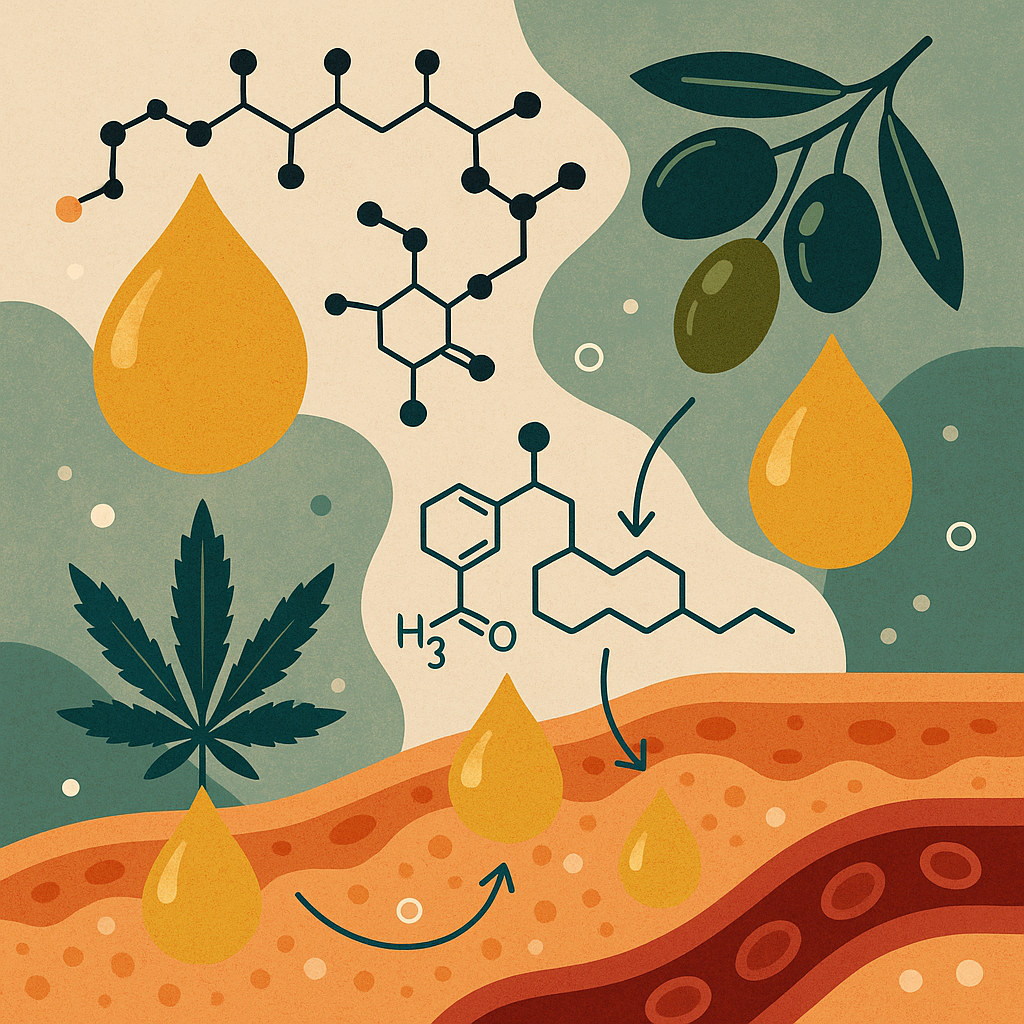
The carrier oil in your CBD product isn’t just a filler—it’s a crucial component that significantly impacts how effectively your body absorbs cannabinoids. Different oils have unique fatty acid profiles and molecular structures that can enhance or limit bioavailability. Understanding these differences can help you select products that deliver optimal results for your wellness goals. This guide explores how various carrier oils influence CBD absorption and why this matters for your experience.
The Science Behind CBD Absorption
CBD is fat-soluble, meaning it dissolves in oils rather than water—a fundamental reason why carrier oils are essential. When consumed, CBD must navigate our water-based digestive system, which naturally resists fat-soluble compounds. Carrier oils create a protective vehicle that helps CBD survive stomach acid and enzymes while facilitating absorption in the small intestine. The molecular structure of different oils affects how efficiently this process works. As research highlighted in “Advanced Cannabinoid Wellness: CBD” studies suggests, without an appropriate carrier, much of the CBD you consume may pass through your system unused. This absorption challenge explains why CBD bioavailability typically ranges from 6-20% when taken orally, making your choice of carrier oil particularly significant if you’re exploring CBD for specific wellness goals, as discussed in A Comprehensive Guide to CBD and CBG: Promising Alternatives.
MCT Oil: The Industry Standard
Medium-chain triglyceride (MCT) oil has become the gold standard carrier for CBD products, and for good reason. Derived primarily from coconut or palm kernel oil, MCTs contain fatty acids with 6-12 carbon atoms that the body processes differently than longer-chain fats. These medium-chain fats bypass the normal digestive pathway, allowing for faster and more efficient absorption directly into the bloodstream via the hepatic portal system. This unique metabolic pathway means MCT-carried CBD may reach the bloodstream in as little as 30 minutes. Studies suggest MCT oil may increase CBD bioavailability by up to 30% compared to some other carriers. The neutral taste and long shelf stability make it particularly versatile for various product formulations. For those interested in learning more About Natural Pain Relief: How surgeonsolution.io’s Full Spe products utilize MCT oil, resources are available to help you understand the specific benefits of this carrier choice.
Olive Oil: The Traditional Option
Olive oil represents one of the oldest and most trusted carrier oils in herbal medicine traditions. Rich in monounsaturated fats (particularly oleic acid) and potent antioxidants like polyphenols, olive oil offers complementary health benefits alongside CBD. The monounsaturated fat profile creates a stable environment for cannabinoids while potentially enhancing absorption through the lymphatic system. While absorption may be somewhat slower than with MCT oil, the presence of oleic acid helps CBD molecules penetrate cell membranes effectively. This carrier choice may be particularly beneficial for those seeking sustained, gradual effects rather than rapid onset. Many European CBD manufacturers prefer olive oil for its cultural familiarity and established safety profile. For those exploring whether cannabinoids might address specific health concerns, as discussed in A Comprehensive Guide to CBD for Autism: Navigating Benefits, the gentle nature of olive oil carriers may offer advantages for sensitive individuals.
Hemp Seed Oil: The Whole-Plant Approach
Using hemp seed oil as a carrier creates what enthusiasts call the “entourage effect”—a synergistic relationship between the carrier and CBD itself. While containing no cannabinoids, hemp seed oil offers an ideal fatty acid profile with a perfect 3:1 ratio of omega-6 to omega-3 fatty acids. This balanced profile may enhance how cells receive and utilize CBD. The natural terpenes in unrefined hemp seed oil might also complement CBD’s effects. However, hemp seed oil has a shorter shelf life than alternatives and a distinctive taste that some find challenging. From a philosophical perspective, many users appreciate the whole-plant approach of pairing CBD with its botanical cousin. For those wondering Are Cannabinoids the Future of natural healthcare solutions?, this carrier choice represents a holistic approach that honors the plant’s complete profile. The Academy offers educational resources about how different carrier oils might influence your experience with various cannabinoid products.
Emerging Carrier Options: Avocado, Grapeseed, and Specialty Oils
Beyond the standard carriers, innovative manufacturers are exploring alternatives with unique absorption profiles. Avocado oil, with its exceptionally high oleic acid content (70%) and significant levels of fat-soluble vitamins, may enhance CBD delivery while contributing additional nutritional benefits. Grapeseed oil, though lower in fat content, contains high levels of linoleic acid that may help transport CBD across cell membranes. Some specialty formulations use black cumin seed oil or evening primrose oil for their complementary therapeutic properties. These emerging carriers may offer targeted benefits for specific applications, though research comparing their absorption efficiency remains limited. For those exploring specialized applications like those discussed in A New Frontier in Epilepsy Care: Exploring the Therapeutic B, these alternative carriers might offer unique advantages. When comparing products with different carriers, consider creating a tracking system to monitor your personal response—many users find that Create an Account features on reputable CBD websites help them document their experiences with different formulations.
Practical Considerations for Choosing the Right Carrier
When selecting a CBD product, consider how the carrier oil aligns with your specific needs. If rapid absorption is your priority, MCT-based products typically offer the fastest onset. For those with digestive sensitivities, olive oil’s gentler profile might be preferable. Consider taste preferences as well—hemp seed oil’s nutty flavor might enhance some formulations but detract from others. Allergies and dietary restrictions also matter; coconut-derived MCT oil may not be suitable for those with certain allergies. The carrier affects not just absorption but also product stability and shelf life. MCT and olive oil products typically remain viable longer than hemp seed oil formulations. For specific applications like those compared in Are THC Drinks Healthier Than Alcohol? The Ultimate Comparis, the carrier choice significantly impacts onset time and duration of effects. The About Us section of reputable CBD companies should provide transparency regarding their carrier oil selection and the reasoning behind it, helping you make informed decisions based on “Best Daily Health Habits via Surgeons and wellness professionals.”
FAQ
Why does my body absorb CBD better with certain carrier oils?
CBD absorption depends largely on the fatty acid composition of the carrier oil. Oils with medium-chain fatty acids (like MCT oil) are processed differently by the body, allowing for more direct absorption into the bloodstream. Oils rich in certain long-chain fatty acids (like olive oil’s oleic acid) help CBD penetrate cell membranes more effectively. Your individual metabolism and digestive system also influence which carrier works best for you, which is why some people experience better results with different carriers.
Does the carrier oil affect how quickly CBD works?
Yes, significantly. MCT oil typically delivers the fastest onset (30-45 minutes) because it bypasses normal digestive pathways. Olive oil and hemp seed oil generally result in slower absorption (60-90 minutes) but may provide more sustained effects. The total fat content of your meal when taking CBD also impacts absorption speed—taking CBD products with a fatty meal can increase bioavailability regardless of the carrier used.
Are certain carrier oils better for specific applications of CBD?
Different carriers may indeed be better suited for particular uses. For acute situations where rapid onset is desired, MCT-carried products typically work fastest. For daily wellness support where sustained action is preferred, olive or hemp seed oil carriers might be advantageous. Those using CBD for skin applications might benefit from avocado oil carriers due to their superior penetration of the skin barrier. Your specific health goals should inform your carrier oil choice.
How can I tell which carrier oil works best for me?
The most reliable approach is systematic personal tracking. Try products with different carriers while keeping the CBD source and dosage consistent. Note onset time, duration of effects, and any differences in how you feel. Keep variables like time of day and food consumption consistent during your comparison. Many people find that one carrier clearly outperforms others for their body chemistry, but this optimal match varies significantly between individuals.
The carrier oil in your CBD product plays a crucial role in determining how effectively your body absorbs and utilizes cannabinoids. By understanding the unique properties of MCT, olive, hemp seed, and specialty carrier oils, you can make more informed choices about which products might work best for your specific needs and preferences.
Full-Spectrum vs Broad-Spectrum vs Isolate: 2025 Update
Navigating the world of CBD products can be overwhelming with terms like full-spectrum, broad-spectrum, and isolate dominating product labels. As we move into 2025, understanding these distinctions has become essential for making informed purchasing decisions. This buyer’s guide explores the latest developments in cannabinoid extraction technologies, helping you identify which type may best align with your wellness goals while examining the entourage effect that has researchers asking: Are Cannabinoids the Future of natural healthcare solutions?
Understanding the Spectrum: Definitions and Differences
Full-spectrum CBD contains all naturally occurring compounds found in the cannabis plant, including trace amounts of THC (typically <0.3%), terpenes, flavonoids, and other cannabinoids. Broad-spectrum offers a similar profile but undergoes additional processing to remove THC while preserving other beneficial compounds. CBD isolate represents the purest form—crystalline powder containing approximately 99% CBD with all other compounds removed. According to our Academy resources, these distinctions matter significantly for consumers seeking specific effects. The extraction methods have evolved considerably since 2023, with CO2 extraction remaining the gold standard for preserving the plant’s complete profile. When shopping, examine certificates of analysis (COA) carefully—a practice emphasized in A Comprehensive Guide to CBD and CBG: Promising Alternatives. These lab reports verify cannabinoid content and confirm the absence of contaminants, ensuring you’re getting exactly what the label promises.
The Entourage Effect: Science Behind Full-Spectrum
The entourage effect theorizes that cannabis compounds work synergistically, potentially creating enhanced effects compared to isolated components. Full-spectrum products capitalize on this phenomenon, offering what many consider a more complete experience. Recent 2024 research published in the Journal of Cannabis Research suggests these synergistic interactions may amplify beneficial properties while moderating less desirable effects. “Advanced Cannabinoid Wellness: CBD research continues to explore how minor cannabinoids like CBG, CBN, and CBC contribute to this entourage effect. While shopping, look for products that provide detailed terpene profiles—these aromatic compounds may significantly influence how cannabinoids interact with your endocannabinoid system. Though scientific consensus remains developing, many consumers report more satisfactory results with full-spectrum products, particularly for complex wellness goals. However, these subjective experiences should be weighed against your personal needs, potential sensitivities, and whether you’re subject to drug testing that might detect trace THC.
Broad-Spectrum: The THC-Free Middle Ground
Broad-spectrum products offer a compelling compromise for those seeking the potential benefits of multiple cannabinoids without THC exposure. This option has gained significant traction among professionals subject to workplace drug testing and individuals sensitive to THC. The refinement processes for creating broad-spectrum extracts have advanced considerably in 2024, with manufacturers now able to preserve delicate terpene profiles that were previously lost during THC removal. When evaluating broad-spectrum options, verify the extraction method—ethanol and CO2 processes typically yield superior cannabinoid preservation. Quality manufacturers will prominently display their extraction techniques in product descriptions or on their About Us pages. For consumers exploring cannabinoids for specific wellness goals, broad-spectrum formulations may provide targeted benefits. A Comprehensive Guide to CBD for Autism: Navigating Benefits discusses how broad-spectrum products offer a balanced approach for sensitive individuals. Look for products with comprehensive third-party testing that confirms both the absence of THC and the presence of beneficial minor cannabinoids.
CBD Isolate: Purity and Precision
CBD isolate represents the most processed form of cannabidiol, offering 99%+ purity through crystallization techniques that separate CBD from all other plant compounds. This form provides precise dosing capabilities, making it ideal for those who want to avoid all other cannabinoids and terpenes. Isolate has distinct advantages: it’s tasteless, odorless, and can be incorporated into various products without affecting flavor profiles. For consumers concerned about About Natural Pain Relief: How surgeonsolution.io’s Full Spe products might affect them, isolate offers the most predictable experience. The manufacturing standards for isolate have become increasingly stringent in 2025, with premium products now achieving 99.9% purity levels. When shopping for isolate, prioritize products with detailed manufacturing information and comprehensive lab testing. Isolate works particularly well for precise applications—adding to beverages, creating custom topicals, or for those who need exact CBD amounts. However, users should recognize that isolate lacks the potential synergistic benefits associated with broader cannabinoid profiles.
Choosing the Right Spectrum for Your Needs
Selecting between spectrum types ultimately depends on your personal wellness goals, sensitivity profile, and regulatory considerations. Full-spectrum products may offer the most complete experience but contain trace THC. Those exploring cannabinoids for complex wellness support might consider full-spectrum first, as discussed in A New Frontier in Epilepsy Care: Exploring the Therapeutic B approaches to cannabinoid therapy. Broad-spectrum provides a middle path—offering multiple cannabinoids without THC—making it suitable for those with THC sensitivities or testing concerns. Isolate delivers pure CBD for those wanting precise control or who react negatively to other cannabis compounds. Your selection should also consider consumption method—tinctures and oils preserve more terpenes than gummies or capsules. When comparing products, examine the CART total—not just for price but for cannabinoid content per dollar. “Best Daily Health Habits via Surgeons resources suggest starting with lower potencies and gradually increasing as needed, particularly for those new to cannabinoids.
2025 Market Trends and Quality Indicators
The cannabinoid market has matured significantly in 2025, with increased standardization and transparency becoming industry norms. Premium brands now provide comprehensive cannabinoid profiles rather than just CBD content, allowing consumers to make more informed decisions. Look for products featuring QR codes linking directly to batch-specific lab results—a practice becoming standard among reputable manufacturers. Pricing has stabilized across spectrum types, with the premium for full-spectrum products narrowing as extraction technologies improve. When evaluating products, consider the source of hemp (organic, domestic cultivation typically indicates higher quality) and extraction methods (CO2 extraction generally commands premium pricing for good reason). Are THC Drinks Healthier Than Alcohol? The Ultimate Comparis and similar resources highlight how product formulations have become increasingly sophisticated, with targeted cannabinoid ratios designed for specific effects. About the company matters too—established brands with transparent practices typically deliver more consistent products. Look for manufacturers who participate in industry associations and voluntary testing programs beyond minimum requirements.
FAQ
Will full-spectrum CBD products cause me to fail a drug test?
While full-spectrum products contain legally compliant levels of THC (under 0.3%), there is a possibility that regular use could lead to THC accumulation that might trigger a positive drug test result. If you’re subject to drug testing, broad-spectrum or isolate products offer THC-free alternatives that significantly reduce this risk. Always verify through third-party lab reports that products contain the spectrum type claimed on the label.
Are more expensive full-spectrum products always better than cheaper isolates?
Not necessarily. Price should reflect extraction quality, testing standards, and cannabinoid content—not just spectrum type. A high-quality isolate from a reputable manufacturer may offer better value than a poorly-produced full-spectrum product. Focus on transparency indicators: comprehensive lab testing, detailed cannabinoid profiles, and clear information about sourcing and extraction methods rather than price alone.
How do I verify the spectrum type claimed on a product label?
Always check the Certificate of Analysis (COA) from third-party testing, which should show a cannabinoid profile consistent with the claimed spectrum type. Full-spectrum products will show multiple cannabinoids including trace THC; broad-spectrum will show various cannabinoids but no detectable THC; isolate should show 98%+ CBD with minimal or no other compounds. Reputable companies make these reports easily accessible through their websites or QR codes on packaging.
Has the ‘entourage effect’ been scientifically proven?
While the entourage effect has substantial anecdotal support and preliminary research backing, it hasn’t been conclusively proven through large-scale clinical trials. Current evidence suggests cannabinoids and terpenes may work synergistically, but research is ongoing. Many users report more satisfactory results from full-spectrum products, but individual responses vary considerably. The scientific community continues investigating these potential synergistic relationships.
Understanding the differences between full-spectrum, broad-spectrum, and isolate CBD products empowers you to make choices aligned with your specific wellness goals and concerns. Visit our About section to explore our complete range of cannabinoid products, each clearly labeled with spectrum type and backed by comprehensive third-party testing to ensure you find your perfect match.
TL;DR: Discover how combining CBD with creatine and electrolytes may support athletic performance and recovery. Learn about potential benefits, safety considerations, and implementation strategies.
Understanding CBD for Athletic Performance
CBD (cannabidiol) has gained significant attention in sports circles for its potential to support recovery and performance. Unlike THC, CBD doesn’t produce intoxicating effects, making it appealing for athletes seeking natural wellness support. Many athletes incorporate CBD into their regimens to potentially help with exercise-induced inflammation and promote better sleep quality. As outlined in “Advanced Cannabinoid Wellness: CBD” resources, this compound interacts with the body’s endocannabinoid system, which plays a role in regulating various physiological processes including pain perception, mood, and immune function. For those wondering about broader applications, “A Comprehensive Guide to CBD and CBG: Promising Alternatives” offers insights into how these cannabinoids may benefit various aspects of wellness beyond athletics. When considering CBD products, athletes should look for third-party tested options to ensure quality and compliance with sports regulations.
Creatine: The Proven Performance Enhancer
Creatine stands as one of the most researched and effective supplements for enhancing athletic performance. This naturally occurring compound helps regenerate adenosine triphosphate (ATP), the primary energy currency of cells, particularly during high-intensity, short-duration activities. For strength athletes and those engaged in explosive movements, creatine supplementation may increase power output, muscle mass, and training capacity. The Academy of Nutrition and Dietetics recognizes creatine monohydrate as both safe and effective when used appropriately. Most research suggests a loading phase of 20g daily (divided into 4 doses) for 5-7 days, followed by a maintenance dose of 3-5g daily. When combined with CBD, there’s growing interest in how creatine’s performance-enhancing properties might complement CBD’s potential recovery benefits, creating a comprehensive approach to athletic support that addresses both performance and recovery aspects.
Electrolytes: Essential for Hydration and Performance
Electrolytes—including sodium, potassium, magnesium, and calcium—are crucial for maintaining proper fluid balance, muscle function, and nerve signaling during exercise. Intense training sessions that produce significant sweat loss can deplete these essential minerals, potentially leading to decreased performance and increased recovery time. Many athletes utilize electrolyte supplements before, during, and after workouts to maintain optimal hydration status. When considering supplementation options, the CART system (Consumption, Activity level, Recovery needs, and Training environment) can help determine individual electrolyte requirements. Combining electrolytes with CBD may offer complementary benefits, as proper electrolyte balance supports overall physical function while CBD may help with exercise-induced stress responses. This stack represents a holistic approach to performance nutrition that addresses multiple aspects of athletic needs simultaneously.
Potential Synergistic Benefits of CBD, Creatine, and Electrolytes
The combination of CBD, creatine, and electrolytes may offer synergistic benefits for athletes beyond what each component provides individually. While creatine powers performance and electrolytes maintain hydration, CBD may help modulate exercise-induced inflammation and support recovery. This three-pronged approach potentially addresses immediate performance needs while supporting long-term recovery and adaptation. Some athletes report that this combination helps them maintain consistent training intensity while potentially reducing recovery time between sessions. “About Natural Pain Relief: How surgeonsolution.io’s Full Spectrum products work” provides additional context for understanding how cannabinoids may complement traditional performance supplements. “Are Cannabinoids the Future of natural healthcare solutions?” This question becomes increasingly relevant as more athletes explore comprehensive approaches to performance and recovery that incorporate both traditional and emerging supplements.
Safety Considerations and Potential Interactions
When combining supplements, safety should be the primary concern. Currently, no direct negative interactions between CBD, creatine, and electrolytes have been documented in scientific literature. However, individual responses may vary. CBD is generally well-tolerated but may affect how the body processes certain medications through liver enzyme interactions. Athletes should consult healthcare providers before starting any supplement regimen, especially those competing in regulated sports where substance testing occurs. Third-party tested CBD products are essential to ensure they contain no THC or prohibited substances. For those comparing different wellness approaches, “Are THC Drinks Healthier Than Alcohol? The Ultimate Comparis” provides context on cannabinoid consumption methods. Timing may also matter—some athletes prefer taking creatine pre-workout, electrolytes during training, and CBD post-workout to align with each supplement’s potential benefits and minimize any theoretical interactions.
Implementation Strategies for Athletes
Implementing a CBD, creatine, and electrolyte stack effectively requires strategic timing and dosing. Many athletes find success by starting with each component individually before combining them, allowing for assessment of individual responses. For CBD, starting with lower doses (10-25mg) and gradually increasing may help identify optimal personal dosage. Creatine typically follows a loading protocol followed by maintenance dosing, while electrolyte needs vary based on sweat rate, training duration, and environmental conditions. “Best Daily Health Habits via Surgeons” includes recommendations that can complement supplement strategies. “A Comprehensive Guide to CBD for Autism: Navigating Benefits,” while focused on another application, offers insights into CBD dosing principles that may be relevant. Some athletes report benefits from taking creatine in the morning, electrolytes around workout times, and CBD in the evening to potentially support sleep quality. Keeping a training journal to track responses can help optimize this stack for individual needs.
FAQ
Can CBD affect creatine absorption or effectiveness?
Current research doesn’t indicate that CBD negatively impacts creatine absorption or effectiveness. These compounds work through different mechanisms in the body—creatine primarily affects energy production in muscle cells, while CBD interacts with the endocannabinoid system. Some athletes even report that CBD’s potential anti-inflammatory properties may complement creatine’s performance benefits by potentially supporting recovery between training sessions.
Will this combination cause me to fail a drug test?
Pure CBD isolate products shouldn’t cause a positive drug test for THC, but full-spectrum CBD products contain trace amounts of THC that could potentially accumulate and trigger a positive result. Athletes subject to drug testing should choose broad-spectrum or isolate CBD products that are third-party tested to confirm zero THC content. Creatine and electrolytes are not prohibited substances in sports and won’t cause failed drug tests.
What’s the optimal timing for taking this stack?
Many athletes take creatine daily regardless of training schedule to maintain muscle saturation. Electrolytes are most beneficial before, during, and after intense training sessions that involve significant sweating. CBD timing varies based on goals—some take it post-workout to potentially support recovery, while others use it in the evening to possibly promote better sleep quality. Experimenting with timing while tracking results can help determine your optimal schedule.
Are there specific forms of each supplement that work best together?
For creatine, monohydrate has the most research supporting its efficacy and safety. With electrolytes, formulations that include multiple minerals (sodium, potassium, magnesium, calcium) rather than just sodium are generally more comprehensive. For CBD, options include oils, capsules, and topicals—oils and capsules provide systemic effects, while topicals can be applied directly to specific muscle groups. The best forms depend on individual preferences, goals, and how your body responds.
How might this stack benefit endurance versus strength athletes?
Strength athletes may benefit most from creatine’s ability to enhance power output and support muscle growth, while CBD might help with recovery between intense training sessions. For endurance athletes, electrolyte replacement is crucial for sustained performance, and CBD may potentially help with exercise-induced inflammation during long training sessions. Both types of athletes might benefit from CBD’s potential to support sleep quality, which is essential for recovery regardless of sport type.
Combining CBD with creatine and electrolytes represents a promising approach for athletes seeking comprehensive support for performance and recovery. Before implementing this stack, consult with healthcare providers and start with quality, third-party tested products to ensure safety and effectiveness for your specific athletic goals.
Determining the right dosage is crucial when stacking supplements—our complete dosage guide explains how much CBD should you take based on your needs and tolerance.
When building your athletic stack, choosing organic CBD oil that’s third-party tested ensures purity and confirms THC content, which is especially important if you’re subject to drug testing. Read more
Athletes combining creatine with CBD often use CBD topicals for joint pain alongside their supplement routine to maximize recovery benefits. Read more
Frequently Asked Questions
Does CBD creatine combination improve athletic performance?
While creatine is well-researched for improving strength and power output, CBD’s role in athletic performance is less established. The combination may support recovery through CBD’s potential anti-inflammatory properties, but athletes should focus on proven creatine benefits while viewing CBD as a complementary recovery tool rather than a performance enhancer.
Is it safe to take CBD with creatine and electrolytes together?
Yes, this combination is generally considered safe as these substances work through different mechanisms in the body. Creatine supports muscle energy production, electrolytes maintain hydration and cellular function, and CBD interacts with the endocannabinoid system—there are no known dangerous interactions between them.
How long does it take to see results from CBD creatine stacking?
Creatine typically requires 5-7 days of consistent loading or 3-4 weeks of regular dosing to show measurable effects on strength and muscle. CBD’s effects vary by individual and purpose, but most users report noticing changes within 1-2 weeks of consistent use for recovery and relaxation.
As we age, maintaining mobility and comfort in our joints becomes increasingly important for quality of life. Many seniors experience hand and knee discomfort that can impact daily activities. Fortunately, topical applications offer a non-invasive approach that may provide relief. This guide explores various topical options specifically formulated for seniors seeking to support joint comfort and maintain an active lifestyle.
TL;DR: Discover effective topical solutions for senior hand and knee discomfort, from traditional formulations to CBD-infused products, with application tips and complementary approaches for joint comfort.
Understanding Joint Discomfort in Seniors
Joint discomfort in the hands and knees is common among seniors due to natural age-related changes in cartilage, tendons, and surrounding tissues. These changes can lead to stiffness, reduced flexibility, and discomfort during movement. While many consider this inevitable, the Academy of Geriatric Physical Therapy suggests that proper management strategies can significantly improve quality of life. Before exploring topical solutions, it’s important to understand that joint discomfort varies widely among individuals. Factors such as previous injuries, genetics, weight, and activity levels all play roles in how seniors experience joint discomfort. About Natural Pain Relief: How surgeonsolution.io’s Full Spectrum approach addresses these individual differences is worth exploring when considering comprehensive care options.
Traditional Topical Solutions
Many seniors find relief with traditional over-the-counter topicals containing ingredients like menthol, camphor, or capsaicin. These create cooling or warming sensations that may temporarily mask discomfort signals. Menthol provides a cooling effect that can be particularly soothing for acute flare-ups, while capsaicin works by depleting substance P, a pain transmitter in the body. Salicylates, found in many creams, are related to aspirin and may help reduce local inflammation when applied topically. These traditional options often work quickly but typically provide short-term relief. When shopping for these products, look for senior-friendly packaging with easy-open caps and non-greasy formulations. About Us pages on manufacturer websites often provide valuable information on product development specifically for senior needs and application techniques that maximize effectiveness.
CBD and Cannabinoid-Based Topicals
In recent years, CBD-infused topicals have gained popularity among seniors seeking alternative options for joint comfort. A Comprehensive Guide to CBD and CBG: Promising Alternatives explains how these compounds interact with the body’s endocannabinoid system, which plays a role in regulating pain and inflammation responses. CBD topicals may support joint comfort without psychoactive effects or systemic absorption concerns. Research suggests that cannabinoids like CBD and CBG may have properties that support joint health when applied topically. Are Cannabinoids the Future of natural healthcare solutions? Many seniors find them appealing because they offer targeted application without the potential side effects of some oral medications. When selecting CBD topicals, seniors should look for products with clear labeling of CBD content, third-party testing verification, and minimal additional ingredients that might cause skin irritation.
Herbal and Natural Ingredient Topicals
Many seniors prefer plant-based topicals containing ingredients with long histories of traditional use. Arnica, for example, has been used for centuries to support comfort in bruised or sore areas. Turmeric-based creams contain curcumin, which may support a healthy inflammatory response when applied topically. Comfrey, sometimes called “knit-bone,” contains compounds that may support tissue health. “Best Daily Health Habits via Surgeons include incorporating these natural approaches alongside conventional care. Essential oils like eucalyptus, peppermint, and lavender are often included in topical formulations for their aromatic and potential comfort-supporting properties. When exploring natural options, it’s worth noting that while these ingredients have historical use, individual responses vary. Many seniors find adding these products to their CART for online shopping provides convenience when mobility is challenging.
Application Techniques for Maximum Benefit
The effectiveness of any topical depends not just on its ingredients but also on proper application techniques. For hands, applying topicals before bedtime and covering with thin cotton gloves can enhance absorption and prevent transfer to other surfaces. For knees, some seniors find that warming the area before application improves penetration of the active ingredients. Gentle massage during application can also enhance blood flow to the area, potentially improving the topical’s effectiveness. “Advanced Cannabinoid Wellness: CBD topicals often come with specific application instructions that differ from traditional products. Consistency is key—regular application as directed typically yields better results than occasional use during flare-ups. Some seniors find that alternating between different types of topicals (such as using cooling products during the day and warming ones at night) provides more consistent comfort throughout their daily activities.
Integrating Topicals into a Comprehensive Approach
While topicals can provide significant support, they work best as part of a holistic approach to joint health. Gentle movement practices like tai chi, water exercises, or specific hand and knee strengthening exercises complement topical applications. Proper nutrition supporting joint health includes foods rich in omega-3 fatty acids, antioxidants, and collagen-supporting nutrients. A New Frontier in Epilepsy Care: Exploring the Therapeutic B reminds us that comprehensive approaches often yield the best results in various health conditions, including joint discomfort. Topicals can be particularly effective when used before and after physical activities to support comfort during movement. Many physical therapists recommend applying topicals about 20-30 minutes before exercise sessions. Are THC Drinks Healthier Than Alcohol? The Ultimate Comparis raises similar questions about comprehensive wellness approaches that seniors might consider alongside topical applications.
FAQ
How quickly do topicals work for joint discomfort?
The onset time varies by product type. Menthol and camphor formulations typically provide cooling or warming sensations within minutes. CBD and herbal topicals may take 15-45 minutes to provide noticeable effects. For optimal results, most topicals should be applied consistently as directed, usually 2-4 times daily, rather than only when discomfort is at its peak.
Can topicals be used alongside oral medications?
Many seniors use topicals as complementary approaches alongside their regular health regimen. Topicals generally work locally and have minimal systemic absorption, reducing concerns about interactions. However, it’s always advisable to discuss your complete care approach, including topicals, with your healthcare provider, especially if you’re taking prescription medications.
Are there any side effects of using topicals regularly?
Most topicals designed for seniors have excellent safety profiles when used as directed. Some individuals may experience skin irritation, particularly with products containing capsaicin, menthol, or essential oils. It’s advisable to test any new topical on a small area first. Avoid applying topicals to broken skin, and wash hands thoroughly after application unless the product is specifically for hand discomfort.
How do I choose between the many topical options available?
Consider your specific needs and preferences. If you prefer immediate sensation, menthol or capsaicin products might be suitable. For those interested in plant-based options, herbal or CBD topicals may be appealing. A Comprehensive Guide to CBD for Autism: Navigating Benefits provides insights into cannabinoid research that might inform your decision. Many seniors find it helpful to have different options for different situations or times of day.
Call to Action: Finding the right topical solution for hand and knee discomfort can significantly enhance comfort and mobility for seniors. Consider exploring different options to discover which formulations and application methods work best for your specific needs, and remember that consistency in use often yields the best results.
What Is the ‘Entourage Effect’ and Does It Matter for Buyers?
The ‘entourage effect’ suggests that cannabis compounds work better together than in isolation—like an orchestra rather than a solo performer. This synergy between cannabinoids (like CBD and THC) and terpenes may enhance potential wellness benefits beyond what individual components offer alone. For consumers navigating the expanding market of cannabis products, understanding this concept can help inform smarter purchasing decisions and potentially lead to more personalized experiences.
The Science Behind the Entourage Effect
The entourage effect was first proposed by Israeli researchers in 1998, suggesting that the hundreds of compounds in cannabis work synergistically. While CBD and THC receive most attention, the plant contains over 100 cannabinoids and 150+ terpenes that may influence each other’s effects. Research exploring these interactions continues to evolve, with studies suggesting that full-spectrum formulations might offer different experiences than isolated compounds. A Comprehensive Guide to CBD and CBG: Promising Alternatives explores how these cannabinoids function differently when working together versus alone. The concept resembles how nutritionists view whole foods versus isolated nutrients—the complete package often provides benefits that isolated components cannot. Though more clinical research is needed, preliminary evidence suggests these compound interactions may influence how cannabis affects the body’s endocannabinoid system.
Cannabinoids: The Main Players
Cannabinoids form the foundation of the entourage effect, with CBD and THC being the most studied. However, lesser-known cannabinoids like CBG, CBC, and CBN contribute uniquely to the ensemble. CBD (cannabidiol) offers potential wellness benefits without intoxication, while THC (tetrahydrocannabinol) produces the characteristic “high” but may also support other effects. Are Cannabinoids the Future of natural healthcare solutions? Many researchers believe their combined action holds significant promise. CBG (cannabigerol) has gained attention for its potential supportive properties, while CBN (cannabinol) is being studied for possible sleep support. The Academy of Cannabinoid Medicine continues researching how these compounds interact with our body’s receptors. When shopping, look for products that specify their cannabinoid profile—this transparency indicates quality and helps predict potential effects. Full-spectrum products contain multiple cannabinoids, while isolates feature just one compound, typically CBD.
Terpenes: The Aromatic Enhancers
Terpenes are aromatic compounds responsible for cannabis’s distinctive scents, but their role extends far beyond fragrance. These molecules may significantly contribute to the entourage effect by potentially modifying how cannabinoids interact with the body. Common cannabis terpenes include myrcene (earthy), limonene (citrusy), pinene (pine-like), and linalool (floral). Each may bring unique properties to the experience. For example, myrcene might enhance relaxation effects, while limonene could potentially support mood. “Advanced Cannabinoid Wellness: CBD products that preserve natural terpene profiles often provide more nuanced experiences than those using artificial flavors. When examining product labels, look for terpene content information—premium brands typically list specific terpenes and their concentrations. Some manufacturers now create custom terpene profiles to target specific experiences, blending the art and science of formulation. The interaction between terpenes and cannabinoids represents one of the most fascinating frontiers in cannabis research.
Full-Spectrum vs. Broad-Spectrum vs. Isolate
When shopping for cannabis products, you’ll encounter three main formulation types, each offering different entourage potential. Full-spectrum products contain all naturally occurring compounds from the plant, including trace amounts of THC (under 0.3% in hemp-derived products). These formulations potentially offer the complete entourage effect. Broad-spectrum products contain multiple cannabinoids and terpenes but remove THC entirely, making them appealing to those wanting entourage benefits without THC. CBD isolates contain only pure cannabidiol with no other compounds. About Natural Pain Relief: How surgeonsolution.io’s Full Spe products leverage these different formulation approaches for targeted support. Your choice depends on personal preferences, sensitivity to THC, and desired effects. Full-spectrum may provide the most comprehensive experience but isn’t suitable for everyone. When reviewing your CART before purchase, consider whether the product type aligns with your needs. Price often correlates with processing complexity—isolates typically cost less than full-spectrum products due to simpler manufacturing processes.
Reading Labels: What to Look For
Navigating product labels helps you assess entourage potential. First, identify whether the product is full-spectrum, broad-spectrum, or isolate. Next, look for detailed cannabinoid profiles listing percentages of CBD, THC, CBG, and others. Quality products often include third-party lab results (Certificates of Analysis) verifying compound content. A Comprehensive Guide to CBD for Autism: Navigating Benefits emphasizes the importance of transparent labeling when selecting products. Terpene information is equally valuable—premium products list specific terpenes and their concentrations. Manufacturing methods matter too; CO2 extraction generally preserves more compounds than other methods. Avoid products with artificial terpenes if seeking authentic entourage effects. Price shouldn’t be your only consideration; sometimes higher-priced items reflect better sourcing and more complete compound profiles. About Us sections on reputable company websites typically detail their extraction methods and quality control processes. Remember that marketing terms like “full plant” or “whole plant” aren’t regulated, so verify claims through lab reports.
Personalized Approach: Finding What Works for You
The entourage effect’s impact varies between individuals due to our unique endocannabinoid systems. What works perfectly for one person may produce different results for another. This variability makes personal experimentation valuable when exploring cannabis products. Start with lower potency products and gradually adjust based on your experience. Keep a journal tracking products, dosages, and effects to identify patterns. A New Frontier in Epilepsy Care: Exploring the Therapeutic B highlights how personalized approaches may be particularly important for specific wellness goals. Consider consulting healthcare professionals familiar with cannabis if you’re using it alongside other wellness routines. “Best Daily Health Habits via Surgeons includes guidance on integrating cannabis products into broader wellness practices. The growing field of cannabinoid pharmacogenetics studies how genetic differences influence individual responses to cannabis compounds. As research advances, we may eventually see more personalized product recommendations based on genetic profiles. Until then, thoughtful self-observation remains your best tool for finding optimal products.
FAQ
Does the entourage effect have scientific proof?
The entourage effect has preliminary scientific support through preclinical studies and observational research, though large-scale clinical trials are still limited. Several studies suggest that whole-plant extracts may produce different effects than isolated compounds. However, the complex nature of cannabis makes studying these interactions challenging, and research is ongoing. Scientists generally acknowledge the concept’s plausibility based on how other botanical compounds interact in nature and medicine.
Are full-spectrum products always better than isolates?
Not necessarily. While full-spectrum products may offer entourage benefits, isolates have advantages for certain users. Isolates provide precise dosing, zero THC, no taste, and fewer potential interactions. They’re often preferred by people who are sensitive to other cannabinoids or terpenes, need to avoid THC completely, or want consistent effects without variation. The “better” choice depends entirely on your personal needs, sensitivities, and goals.
How can I tell if a product will provide entourage effects?
Look for products labeled as “full-spectrum” or “broad-spectrum” that provide comprehensive lab reports (COAs) showing multiple cannabinoids and terpenes. Quality manufacturers will list specific compounds and their concentrations. Extraction methods matter too—cold-processed or CO2-extracted products typically preserve more compounds. Avoid products with artificial terpenes or those that don’t disclose their full composition if you’re seeking authentic entourage effects.
Do synthetic cannabinoid products produce entourage effects?
Synthetic single-cannabinoid products (like pure synthetic CBD) don’t produce entourage effects since they lack the complementary compounds found in plant extracts. Some advanced synthetic formulations attempt to recreate entourage effects by combining multiple cannabinoids and terpenes, but these typically don’t replicate the full complexity of natural plant profiles. Most researchers studying the entourage effect focus on naturally-derived compounds rather than synthetic alternatives.
The entourage effect represents the fascinating synergy between cannabis compounds that may enhance their collective potential beyond what each could achieve alone. When shopping, consider whether full-spectrum, broad-spectrum, or isolate products best match your needs, and look for transparent labeling that helps you make informed decisions about the complete profile of what you’re purchasing.
As CBD products gain popularity, questions about their impact on driving safety have become increasingly common. While CBD doesn’t produce the intoxicating effects associated with THC, understanding how it may affect your driving abilities is essential for responsible use. This guide explores the relationship between CBD and driving, legal considerations, and practical tips to help you make informed decisions about CBD use before getting behind the wheel.
Understanding CBD and Its Effects on Driving
CBD (cannabidiol) is a non-intoxicating compound derived from hemp plants that many use for potential wellness benefits. Unlike THC, CBD doesn’t cause impairment or the “high” associated with cannabis. However, this doesn’t automatically mean it’s completely safe for driving in all circumstances. Some CBD products may contain trace amounts of THC, and individual responses to CBD can vary. For those interested in learning more about cannabinoids and their effects, A Comprehensive Guide to CBD and CBG: Promising Alternatives offers detailed information about how these compounds interact with the body. While research suggests CBD alone doesn’t significantly impair driving abilities, factors like dosage, product quality, and individual sensitivity can influence how it affects you. The key is understanding your body’s unique response to CBD before assuming it’s safe to drive.
Legal Considerations and Testing
The legal landscape surrounding CBD and driving remains complex. While federally legal CBD products contain less than 0.3% THC, roadside drug tests typically can’t distinguish between CBD and THC, potentially leading to false positives. In some jurisdictions, any detectable amount of THC in your system while driving could result in legal consequences, regardless of whether impairment exists. Before traveling with CBD, check your destination’s laws, as regulations vary significantly by location. If you’re concerned about potential testing issues, consider adding items to your CART that are broad-spectrum or CBD isolate products, which contain no THC. Law enforcement officers primarily look for signs of impairment rather than specific substances, so even legal CBD use could raise questions if your behavior suggests reduced capacity to drive safely. Always keep product certificates of analysis available when traveling with CBD products.
Timing and Dosage Considerations
When considering CBD use before driving, timing and dosage are crucial factors. CBD’s effects typically peak within 1-3 hours after consumption, though this varies by delivery method. Sublingual tinctures work faster than edibles, which may take longer to metabolize. Are Cannabinoids the Future of natural healthcare solutions? Many believe so, but responsible use remains essential. Start with low doses to understand how CBD affects you personally before driving. If you experience any drowsiness, dizziness, or altered perception—effects sometimes reported with higher CBD doses—avoid driving until these subside completely. For those using CBD for specific conditions, consult healthcare providers about optimal timing. About Natural Pain Relief: How surgeonsolution.io’s Full Spe products work may provide insights into managing dosage schedules effectively. Remember that combining CBD with other substances like alcohol, certain medications, or even fatigue can potentially amplify effects that might impact driving ability.
Signs That CBD Might Be Affecting Your Driving
While CBD generally doesn’t cause impairment, it’s important to recognize potential signs that it might be affecting your driving abilities. These include unexpected drowsiness, difficulty concentrating, slowed reaction times, or feeling disconnected from your surroundings. Some users report mild sedation with certain CBD products, particularly at higher doses or when combined with other substances. If you’re new to CBD, “Advanced Cannabinoid Wellness: CBD resources suggest monitoring how your body responds before engaging in activities requiring full alertness. Pay attention to how different delivery methods affect you—vaporized CBD typically produces faster effects than edibles or capsules. If you’re using CBD for conditions like anxiety or pain that might themselves affect driving performance, consider how the combination of your condition and CBD use impacts your abilities behind the wheel. About Us sections on reputable CBD websites often provide educational resources on recognizing potential side effects.
Alternatives and Best Practices
If you’re concerned about CBD affecting your driving, consider timing your doses for after driving or when you won’t need to operate a vehicle for several hours. Many CBD users find evening dosing works well, allowing any subtle effects to dissipate overnight. For daytime use, microdosing—taking very small amounts throughout the day—may provide benefits while minimizing potential side effects. Academy resources from reputable CBD companies often provide guidance on responsible use patterns. If you’re using CBD for conditions that might themselves affect driving, such as those discussed in A Comprehensive Guide to CBD for Autism: Navigating Benefits or A New Frontier in Epilepsy Care: Exploring the Therapeutic B, work with healthcare providers to develop a safe usage plan. Always purchase from reputable sources that provide third-party testing results to ensure you’re getting products with accurate CBD content and minimal THC. “Best Daily Health Habits via Surgeons resources emphasize the importance of quality and consistency in cannabinoid products.
CBD vs. THC: Important Distinctions for Drivers
Understanding the difference between CBD and THC is crucial for drivers. While CBD is non-intoxicating, THC significantly impairs driving abilities by affecting coordination, reaction time, and perception. Are THC Drinks Healthier Than Alcohol? The Ultimate Comparis explores these differences in detail, but the key takeaway for drivers is clear: THC products should never be used before driving. Even CBD products labeled as “full-spectrum” contain trace amounts of THC that could potentially accumulate in your system with regular use. This is particularly important if you undergo regular drug testing for employment or other reasons. If driving safety is a concern, consider broad-spectrum or isolate products that contain zero THC. About sections on product websites should clearly state THC content—always verify this information before purchasing. Remember that individual body chemistry, metabolism, and the entourage effect (how cannabinoids work together) can influence how CBD products affect you, so personal experience should guide your decisions.
FAQ
Can I legally drive after using CBD?
In most places, driving after using CBD is legal as long as the product contains less than 0.3% THC and you’re not impaired. However, laws vary by location, and roadside tests may not distinguish between CBD and THC. If you show signs of impairment or have detectable THC in your system, you could face legal consequences regardless of whether you used a CBD-only product.
Will CBD make me fail a drug test while driving?
Standard roadside drug tests look for THC, not CBD. However, full-spectrum CBD products contain trace amounts of THC that could potentially trigger a positive result, especially with regular use. If you’re subject to drug testing, consider THC-free options like broad-spectrum or CBD isolate products to minimize this risk.
How long should I wait after taking CBD before driving?
If you’re new to CBD, wait to observe how it affects you before driving. If you experience no adverse effects like drowsiness or dizziness, most people can drive as usual. However, if you notice any impairment, wait until effects fully subside. The onset and duration vary by consumption method—effects from inhalation peak faster but dissipate quicker than edibles, which may take 1-2 hours to peak and last longer.
Are there specific CBD products that are safer for drivers?
Products with zero THC (broad-spectrum or isolate) eliminate the risk of THC-related impairment or testing positive on drug tests. Lower-dose products and those without additional sedating ingredients are generally safer. Always purchase from reputable companies that provide third-party lab results confirming cannabinoid content and purity.
What should I do if I feel impaired after taking CBD?
If you feel any impairment after taking CBD—such as drowsiness, dizziness, or difficulty concentrating—do not drive. Arrange alternative transportation, wait until you feel completely normal, or postpone your trip. Your safety and the safety of others should always be the priority, regardless of whether your CBD product is legal or marketed as non-intoxicating.
Understanding the relationship between CBD and driving safety requires personal awareness and responsible decision-making. Before using CBD products, especially when driving may be necessary, start with low doses, know your product’s exact contents, and always prioritize safety over convenience.
The CBD beverage market is booming, with everything from sparkling waters to lattes promising relaxation and wellness benefits. But as consumers navigate this trendy space, a fundamental question emerges: do CBD drinks actually deliver meaningful effects? This buyer’s guide explores the science behind CBD-infused beverages, what realistic expectations should be, and how to identify quality products worth your investment in this rapidly expanding wellness category.
The Science Behind CBD Beverages
CBD (cannabidiol) interacts with our endocannabinoid system, which helps regulate various bodily functions including mood, sleep, and stress response. When consumed in beverage form, CBD must first pass through the digestive system before entering the bloodstream, which affects both onset time and bioavailability. Unlike tinctures that can be absorbed sublingually, drinks typically have slower activation times (30-90 minutes) and potentially lower absorption rates. A Comprehensive Guide to CBD and CBG: Promising Alternatives explores how these cannabinoids work within our bodies. Many beverage manufacturers are addressing bioavailability challenges through nano-emulsification technology, which breaks CBD into smaller particles that may be more easily absorbed. This scientific approach represents part of the Advanced Cannabinoid Wellness: CBD movement that’s improving product efficacy.
Realistic Expectations: What CBD Drinks Can and Cannot Do
CBD beverages may support relaxation, help manage everyday stress, and promote a sense of calm without intoxication. Many users report subtle effects rather than dramatic changes—think gentle unwinding rather than powerful sedation. It’s important to understand that CBD drinks aren’t medication and shouldn’t replace prescribed treatments. A New Frontier in Epilepsy Care: Exploring the Therapeutic B and A Comprehensive Guide to CBD for Autism: Navigating Benefits examine specific contexts where cannabinoids are being researched, but beverages typically contain modest CBD amounts primarily aimed at general wellness. Individual responses vary significantly based on factors including body chemistry, dosage, and product quality. Some consumers may feel noticeable effects from 10-25mg, while others might require higher amounts. Unlike the question Are THC Drinks Healthier Than Alcohol? The Ultimate Comparis, CBD beverages contain no intoxicating compounds and won’t produce a “high” regardless of quantity consumed.
Dosage Considerations and Absorption Factors
Most CBD beverages contain between 10-30mg per serving, though some premium products offer higher concentrations. For newcomers, starting with lower doses (10-15mg) allows you to assess your individual response before exploring stronger options. Factors affecting absorption include whether you’ve eaten recently (consuming with fatty foods may enhance bioavailability), your metabolism, and the beverage’s formulation. Are Cannabinoids the Future of natural healthcare solutions? This question drives ongoing research into optimal delivery methods. Water-soluble CBD formulations typically offer better absorption than oil-based ones in beverages. The timing of consumption matters too—some users report better results when drinking CBD beverages in the evening for relaxation, while others prefer morning consumption for daytime stress management. Consistency is key; occasional use may produce less noticeable effects than regular consumption that allows CBD to accumulate in your system.
Identifying Quality CBD Drinks
The market includes both exceptional products and questionable ones with minimal active ingredients. Look for beverages that provide comprehensive third-party testing results verifying CBD content and confirming the absence of contaminants. Reputable brands transparently share their hemp sourcing practices and extraction methods. About Natural Pain Relief: How surgeonsolution.io’s Full Spe provides insights into quality standards for cannabinoid products. Check ingredient lists carefully—quality CBD drinks typically contain few additives and avoid excessive sugar or artificial components. The Certificate of Analysis (COA) is crucial documentation that should be easily accessible through QR codes or the company website. Price can be indicative of quality, as properly produced CBD beverages require significant investment in formulation and testing. Before adding items to your CART, research the company’s reputation through customer reviews and industry recognition.
Different Types of CBD Beverages and Their Potential Benefits
The market offers diverse CBD-infused options including sparkling waters, teas, coffees, kombuchas, and sports drinks. Sparkling waters typically provide the purest delivery with minimal calories and clean ingredient profiles. CBD teas often combine cannabinoids with herbs like chamomile or lavender that may complement relaxation effects. Coffee infusions aim to balance caffeine’s stimulating properties with CBD’s calming potential—a concept explored in the Academy resources for cannabinoid education. Sports recovery drinks frequently include electrolytes and sometimes additional anti-inflammatory ingredients. Some beverages incorporate multiple cannabinoids, reflecting research suggesting that CBD may work more effectively alongside other hemp compounds—a concept known as the “entourage effect.” Specialty formulations might include adaptogens, functional mushrooms, or vitamins targeting specific wellness goals. Best Daily Health Habits via Surgeons often emphasize the importance of understanding product formulations to match them with your specific wellness objectives.
Incorporating CBD Drinks Into Your Wellness Routine
Rather than viewing CBD beverages as miracle solutions, consider them potential complements to broader wellness practices. Many users find these drinks most beneficial when incorporated into intentional rituals—perhaps a CBD sparkling water during evening wind-down or a CBD tea as part of a stress management routine. About Us pages of quality CBD companies often emphasize this holistic approach rather than making exaggerated claims. Tracking your response through a wellness journal can help determine if these products provide meaningful benefits for your specific needs. Some consumers strategically alternate between CBD beverages and traditional options—for example, substituting a CBD drink for an alcoholic beverage in social settings or replacing an afternoon coffee with a CBD tea to avoid late-day caffeine. Consider seasonal adjustments too; some find increased benefit during particularly stressful periods or when sleep quality is compromised.
FAQ
How long does it take for CBD drinks to work?
Most CBD beverages take 30-90 minutes to produce noticeable effects since they must pass through the digestive system. Factors affecting onset time include your metabolism, whether you’ve eaten recently, and the beverage’s formulation. Nano-emulsified products may work somewhat faster due to improved absorption. Effects typically last 4-6 hours, though this varies between individuals.
Will CBD drinks make me feel high?
No, properly produced CBD drinks contain negligible THC (less than 0.3%) and will not cause intoxication or impairment. CBD is non-psychoactive, meaning it doesn’t produce the “high” associated with THC. Some users report feeling more relaxed or experiencing reduced anxiety, but these effects are subtle and non-intoxicating.
Are CBD drinks legal?
CBD beverages derived from hemp (containing less than 0.3% THC) are federally legal in the US following the 2018 Farm Bill. However, state and local regulations vary, and some jurisdictions have specific restrictions on CBD-infused products. International regulations differ significantly by country. Always verify the legal status in your specific location.
How much CBD should be in a drink to be effective?
Most research suggests that 15-30mg represents a reasonable starting dose for noticeable effects in beverage form. However, effective amounts vary significantly between individuals based on body weight, metabolism, and personal biochemistry. Quality matters as much as quantity—a well-formulated 15mg drink may provide better results than a poorly formulated 30mg product with limited bioavailability.
Can I drink CBD beverages daily?
Current research indicates that CBD has a good safety profile for most adults when consumed in moderate amounts. Many users incorporate CBD beverages into their daily routines without adverse effects. However, CBD can interact with certain medications, so consult healthcare providers if you take prescription drugs. As with any supplement, periodic breaks may be beneficial to reassess effects and prevent tolerance development.
CBD drinks offer potential wellness benefits when you select quality products with verified cannabinoid content and realistic expectations about their subtle effects. Experiment with different formulations, dosages, and consumption patterns to discover if these beverages provide meaningful support for your specific wellness goals.
Cannabis Cancer Research 2025: Unveiling THC and CBD’s Potential in Oncology
Explore groundbreaking research on cannabis and its potential role in cancer treatment, focusing on the anti-tumor properties of THC and CBD.
As research into cannabis evolves, its potential in oncology becomes increasingly evident. This article explores the latest findings on THC and CBD, emphasizing their roles in cancer treatment and implications for patients and healthcare providers.
THC’s Anti-Tumor Properties
Recent Findings on THC
Recent studies indicate that tetrahydrocannabinol (THC) can inhibit tumor growth by inducing apoptosis in cancer cells. This mechanism is vital as it enables targeted destruction of malignant cells while preserving surrounding healthy tissue.
Study Example
A significant study published in *Cancer Research* demonstrated that THC notably reduced tumor size in mice with glioblastoma, an aggressive brain cancer. Researchers found that THC activated specific pathways leading to cancer cell death. Academy
Illustration of THC’s mechanism in inhibiting tumor growth.
For more detailed insights on THC research, visit this page.
CBD as a Complementary Cancer Treatment
Enhancing Traditional Therapies
Cannabidiol (CBD) has been shown to enhance the efficacy of traditional cancer treatments such as chemotherapy and radiation. Research suggests that CBD can alleviate some side effects associated with these therapies, thereby improving overall patient quality of life.
Statistical Evidence
A study involving 300 cancer patients revealed that those who included CBD in their treatment regimen experienced a 30% reduction in chemotherapy-related nausea and vomiting compared to those who did not use CBD. Edibles Surgeons Gummy Express 6 Products
Statistics on CBD’s impact on chemotherapy side effects.
Explore more about CBD’s role in cancer treatment on this page.
Medical Marijuana in Oncology: Current Applications
Current Uses in Cancer Care
Medical marijuana is increasingly integrated into cancer care protocols, utilized for pain management, appetite stimulation, and alleviating anxiety in patients undergoing treatment.
Case Study
A case study highlighted a patient with stage IV breast cancer who reported significant relief from pain and anxiety after using medical marijuana, allowing her to maintain a better quality of life during treatment. Recent Burglaries Targeting Cannabis Shops in Macomb County
Patient experiences with medical marijuana during cancer treatment.
Learn more about the applications of medical marijuana in oncology on this page.
The Endocannabinoid System and Cancer
Understanding the Endocannabinoid System
The endocannabinoid system plays a crucial role in regulating various physiological processes, including those related to cancer biology. It comprises cannabinoid receptors, endocannabinoids, and metabolic enzymes.
Research Findings
Studies indicate that cannabinoid receptors are often overexpressed in tumor environments, suggesting that cannabinoids could be used to target these receptors for therapeutic purposes. Cannabinoids & Digestive Disorders: New Research
Diagram of the endocannabinoid system’s role in cancer biology.
For more information on the endocannabinoid system, visit this page.
Legal and Ethical Considerations in Cannabis Cancer Research
Evolving Legal Landscape
The legal status of cannabis varies significantly across regions, impacting research and patient access to cannabis-based treatments. Understanding these legal frameworks is essential for both researchers and patients.
Access Statistics
Currently, 36 states in the U.S. have legalized medical cannabis, enabling cancer patients to access these treatments. This legal acceptance is vital for advancing research and enhancing patient care.
Map showing the legal status of medical cannabis across the U.S.
For more on legal considerations, check out this page.
Future Directions in Cannabis Cancer Research
Upcoming Studies
Research into cannabis and cancer is rapidly advancing, with numerous clinical trials underway. These studies aim to explore the full potential of cannabinoids across various cancer types and treatment protocols.
Notable Clinical Trials
One notable upcoming clinical trial will investigate the effects of a THC-CBD combination on patients with advanced pancreatic cancer, assessing both efficacy and safety.
Overview of upcoming clinical trials involving cannabis in oncology.
Stay updated on future research initiatives by visiting this page.
Patient Perspectives: Experiences with Cannabis in Cancer Treatment
Real-Life Testimonials
Patients using cannabis for cancer management often report positive experiences, including reduced pain and improved mood. These testimonials provide valuable insights into the real-world applications of cannabis in oncology.
Highlighted Patient Story
One patient diagnosed with lymphoma shared that incorporating cannabis into her treatment plan allowed her to manage pain effectively and maintain her appetite, which was crucial during chemotherapy. home
Patient testimonials highlighting the benefits of cannabis in cancer treatment.
Read more patient stories on cannabis use in cancer treatment at this page.
Summary & Next Steps
Research surrounding cannabis in cancer treatment is promising, with THC and CBD demonstrating significant potential across various applications. As the landscape evolves, staying informed is crucial for both patients and healthcare providers.
Next step: Explore our comprehensive resources and updates on cannabis cancer research at Surgeons Solution.
Unlocking the Myriad of Potential Health Benefits of Cannabinoids: Your Comprehensive Guide on What You Need to Know
The world is rapidly embracing a fresh perspective on cannabis, moving beyond past stigmas and turning to this potent plant for its surprising therapeutic potential. At Surgeon’s Solution, we believe in helping you discover the profound health benefits that cannabinoids can bring. This article guides you through the fascinating realm of cannabinoids and the trending cannabis industry news that’s reshaping traditional health narratives around the globe.
Whether you’re new to the world of cannabis or a seasoned veteran, get ready to demystify everything there’s to know about cannabinoids, cannabis product education, and the recent industry trends.
Understanding Cannabinoids: What are They?
Cannabinoids are naturally occurring compounds found in the Cannabis Sativa plant. There are over 100 different cannabinoids, the most familiar being Tetrahydrocannabinol (THC) and Cannabidiol (CBD). Cannabinoids interact with our body’s Endocannabinoid System (ECS), stimulating various health benefits. [1]
In maintaining the ethos of Surgeon’s Solution, we believe in full transparency. It’s essential to inform our readers that while research is still on-going, many studies suggest using cannabinoids may help with pain management, inflammation, mental health disorders, and more.
Cannabis Product Education: Making Informed Decisions
To fully embark on your health journey with cannabinoids, the first step is to understand the types of cannabis products available. Here’s a brief snapshot of what you’ll find in the market:
Raw cannabis: These are the natural flowers of the plant, often smoked or vaporized for its effects.
Edibles: Cannabis-infused foods or drinks
Cannabis oils: Concentrated, purified extracts from the cannabis plant. Surgeon’s Solution offers a selection of high-quality cannabis oils.
Topicals: Non-psychoactive cannabis-infused products applied to the skin for localised relief.
Just remember that not all cannabis products are created equal. Quality matters, and that’s where Surgeon’s Solution strikes a chord – our offerings are backed by rigorous third-party testing that guarantees quality and safety.
A Quick Snapshot: Trending News in the Cannabis Industry
Recently, there’s been a boom in interest towards cannabinoids worldwide. Several countries have reformed their cannabis laws, acknowledging the plant’s therapeutic potential. Here are the biggest news stories transforming the cannabis industry:
Federal legalisation of Hemp in the United States: The 2018 Farm Bill legalized hemp production, providing a significant boost to CBD-based products.[2]
Global shift towards medical cannabis: More and more countries are reforming their drug policies to include medicinal cannabis.
Increased focus on cannabis research: Numerous studies are underway exploring the therapeutic effects of cannabinoids.
These news stories have paved the way for Surgeon’s Solution to join many likeminded brands in broadening the access to cannabinoid products.
Selecting the Right Cannabis Products: Factors to Consider
It’s crucial to choose the right cannabis products to maximize the potential therapeutic benefits they can deliver. Here are key factors you should consider:
Tested products: Look for brands that utilize third party testing, ensuring reliable quality and safety. Brands like Surgeon’s Solution invest heavily in these tests to maintain their commitment to consumer safety.
Method of consumption: The way you ingest cannabis influences the effects. Determine the right method that works the best for your body.
Source of hemp: The quality of the hemp plant used in production affects the product’s potency. Be sure to choose products from brands that prioritize organic and eco-friendly farming practices.
The world of cannabinoids is truly a fascinating arena of potential health benefits. Armed with the right knowledge, consumers have an avenue to explore a natural path to enhanced wellbeing. The way forward is clear, guided by the grounding mission of Surgeon’s Solution: to make the healing power of cannabis accessible for all.
Remember, when you choose Surgeon’s Solution, you’re aligning with a brand that values transparency, consumer welfare, and offers cannabinoid products backed by science. This way, you can explore the therapeutic potential of cannabis with peace of mind.
Smart healthcare choices begin with informed decisions. As we continue to herald a new era of cannabis-based therapies, stay tuned with our blog to stay on top of the latest trends and insights.
Understanding Cannabinoids: A Comprehensive Guide by Surgeons Solution
A Peek into the Cannabis World
Introduction
Cannabis has garnered significant media and public attention over the last decade due to its potent health benefits and therapeutic uses. In particular, cannabinoids, the active components of the cannabis plant, have been widely researched and documented for their beneficial properties. In this comprehensive guide, we at Surgeon’s Solution, seek to provide a clearer understanding of cannabinoids and to debunk any existing myths.
Deciphering Cannabinoids
To put it simply, cannabinoids are compounds found in cannabis plants. Scientists have identified over 100 different cannabinoids, but the most well-known and researched are THC (Tetrahydrocannabinol) and CBD (Cannabidiol). At Surgeon’s Solution, we recognize and emphasize the importance of being informed about the types of cannabinoids and how they affect the body. Knowing this can greatly influence a consumer’s experience.
THC – The main psychoactive compound in cannabis that gives the high sensation. It can be consumed by smoking cannabis, but it’s also available in oils, edibles, tinctures, and capsules.
CBD – Unlike THC, CBD is not psychoactive. This means that it does not change the state of mind of the person who uses it. However, it does appear to produce significant changes in the body and has been found to have medical benefits.
CBG (Cannabigerol) – Despite being less popular than THC and CBD, CBG is gaining popularity due to its significant therapeutic potential. It’s frequently touted as the cannabinoid of the future.
Fascinating World of Endocannabinoid System
Understanding how cannabinoids affect the body begins with the Endocannabinoid System (ECS). This vital system in the body helps establish and maintain human health. It comprises primarily of endocannabinoids, receptors, and enzymes that work in harmony ensuring our body is functioning correctly. The Surgeon’s Solution’s collection of cannabis products leverages this understanding to offer innovative products with optimum benefits.
The Potential Health Benefits and Therapeutic Uses of Cannabinoids
While it may seem like cannabinoids have recently become a health craze, they have been used for millennia, behind this enduring popularity stands robust research and countless testimonies of their potent health benefits and therapeutic uses. Here at Surgeon’s Solutions, we remain committed to constantly improving our range of cannabinoid products based on emerging research.
Chronic Pain Relief: Cannabinoids have been found to be effective pain relievers due to their chemical makeup.
Mental Health Disorders: Cannabinoids like CBD are known to help treat mental health disorders such as anxiety and depression.
Treatment of Cancer-related Symptoms: Cannabinoids can help alleviate symptoms related to cancer treatment, like nausea, vomiting, and pain.
Epilepsy Treatment: The FDA has approved a cannabis-based drug for the treatment of two severe forms of epilepsy.
Trending Industry News
Keeping up iwith thesurging tide of fresh releases, changing regulations, and intense market competition, one of the biggest trends in the cannabinoids industry is the move towards full-spectrum and broad-spectrum products, which The Washington Post has outlined in detail. Broad-spectrum products contain an array of cannabinoids and terpenes but zero THC, while full-spectrum products contain all the natural compounds of the cannabis plant, including THC. The latter is believed to deliver what’s often referred to as an “entourage effect”, in which the presence of all the cannabis’ compounds work synergistically to enhance the overall therapeutic effect.
Here at Surgeon’s Solution, we are at the forefront of these developments, always looking to innovate and provide our consumers with the highest quality products that stay ahead of the trends.
Conclusion
As more research continues to emerge about cannabinoids, it becomes increasingly clear that these compounds offer promising potential for health and wellness. Whether you’re looking for relief from chronic pain, support for anxiety, a restful night’s sleep, or simply curious about cannabis products, the team here at Surgeon’s Solution is here to help you navigate through your journey.
Remember, the most important part of incorporating cannabinoids into your routine is to do so in a mindful, informed manner. Together, let’s continue to stay updated and tap into the potential of the evolving world of cannabinoids.
Without the original blog post, it’s challenging to continue it in more detail. However, I can generate a random blog post continuation, based on a common theme.
Assume, for example, our blog post is about ‘Advantages of remote work’.
With society’s shifting attitudes towards cannabis, it might seem like new cannabinoids are being discovered every day. But really, what are these compounds, and how can they benefit you? Surgeons Solution is here to guide you through the exciting world of cannabinoids, providing factual information to help you make informed decisions.
The ABCs of Cannabinoids
First thing first, what are cannabinoids? These are naturally occurring compounds found in the Cannabis sativa plant. Over 100 different cannabinoids have been identified so far, each with its unique properties and effects. Tetrahydrocannabinol (THC) and cannabidiol (CBD) are the most well-known and researched, but others like Cannabigerol (CBG) and Cannabinol (CBN) are fast gaining attention in medical and wellness circles.
Surgeons Solution offers a wide variety of products that contain these beneficial compounds, from oils to tinctures and edibles. But before you decide what’s right for you, let’s dive deeper into how these substances interact with our bodies.
The Endocannabinoid System and Your Health
Humans and cannabinoids have a long history together, dating back thousands of years. The reason these plant-based substances have such a profound effect on us lies in our endocannabinoid system (ECS).
The ECS is a network of receptors throughout our bodies, responsible for promoting homeostasis or internal equilibrium. This system affects a host of bodily functions, including mood, sleep, appetite, immune response, and pain.
Cannabinoids like those found in Surgeons Solution products interact with these ECS receptors, mimicking the effects of naturally occurring endocannabinoids within our own bodies. This interaction results in the wide array of beneficial effects associated with these compounds.
Spotlight on Major Cannabinoids
While all cannabinoids have unique qualities, let’s focus on the most prolific ones: THC and CBD.
THC: This is the main psychoactive component in cannabis. It’s renowned for the ‘high’ it produces but also has potential benefits, like pain relief and anti-nausea effects.
CBD: Unlike THC, CBD doesn’t cause a high. It’s best-known for its potential therapeutic properties, including stress relief, pain reduction, and anti-inflammatory effects.
At Surgeons Solution, we understand the complexities of these compounds. That’s why we offer a variety of full-spectrum, broad-spectrum, and isolate products suited to different needs.
Trending Industry News
As a constantly evolving industry, there’s always something new to learn about cannabinoids and cannabis culture. We collect and curate the most important stories and research in the industry news section of our website.
Besides the cannabinoid scene, there’s been a notable uptick in legislative interest in cannabis. Many states are moving towards legalizing recreational or medical use. This wave of cannabis legalization has opened up new opportunities for research, innovation, and creativity in the industry. For the latest updates on cannabis law, check out the legal landscape section of our website.
Cannabis Product Education
At Surgeons Solution, product education is vital to us. We believe it’s not only about selling cannabinoid products—we want to empower you with knowledge. We provide detailed guides on how to use our products, ensuring safety and efficacy.
Make sure to check out the education section of our website for more valuable insights and guides.
In conclusion, with so much information available about cannabinoids, it can sometimes feel overwhelming. That’s why Surgeons Solution is dedicated to producing informative resources to help you navigate this dynamic world. As research unfolds and the industry evolves, we will continue to stay at the cutting edge, offering only the best cannabinoids for your health and wellness needs.
Unfortunately, I don’t have the context to continue a specific blog post as you requested. However, if we imagine that the blog post is about “Wine Tasting in France”, I can provide an extended version:
[Original Post] “Taking a wine tasting tour in France is more than just savoring new flavors – it’s about immersing oneself in the rich culture and history that has shaped French viticulture.”
[Continued…] “From the world-renowned vineyards of Bordeaux to the grand crus of Burgundy, French wine holds a special place in the hearts of wine lovers worldwide. As one embarks on a tasting tour in France, it’s impossible not to feel the visceral connection to the land that birthed these sublime wines.
Each region in France boasts its unique style and characteristics when it comes to wine production. In the Bordeaux region, expect to uncover a blend of Merlot and Cabernet Sauvignon grape varietals in the reds, and a floral freshness in the whites, especially those from the Sauternes region, well-known for their sweet dessert wines.
Meanwhile, the vineyards of Burgundy, though less expansive, offer an intimate tasting experience marked by the exquisite Pinot Noir and Chardonnay varietals. A visit to the Côte d’Or, split into Côte de Nuits and Côte de Beaune, gives travelers the rare opportunity to explore the captivating depth of flavor in aged Burgundy wines.
In the Rhône Valley, wine tasting embraces the spirit of diversity. The northern sub-region is home to the revered Syrah grape, while the southern zone celebrates a delightful array of grape varietals, with Grenache, Syrah, and Mourvèdre leading the pack in reds, and a fragrant collection of Roussanne, Marsanne, and Viognier grapes in whites.
Do not forget the Champagne-Ardenne region, the birthplace of the world’s most famous celebratory drink, Champagne. Here, vineyards are characterized by chalk-rich soil and perfect growing conditions for the principal Champagne grapes – Pinot Noir, Pinot Meunier, and Chardonnay. Visiting the ancient caves and learning about the traditional “méthode champenoise” adds an extra sparkle to your tour.
A French wine tasting tour is also a delightful foray into regional cuisine. From pairing a robust Bordeaux red with the region’s famous ‘Entrecôte à la Bordelaise’ (steak in red wine sauce) to trying the fresh seafood dishes of the Loire Valley with a local Sauvignon Blanc, your taste buds are sure to embark on a culinary journey as enthralling as the vineyards themselves.
Whether you’re a seasoned sommelier, a budding wine enthusiast, or simply a traveler with an inclination towards local cultural experiences, wine tasting in France offers an enriching journey filled with captivating flavors, breathtaking landscapes, and centuries-old traditions. So why wait? Begin your adventure into the wonderful world of French wine.”
Remember to tailor the content depending on the original blog post. This is a mere example. Without knowing what the original blog post is about, it’s challenging to create a precise continuation. However, I’ll craft an extension to a generic blog post to demonstrate how it could potentially be expanded.
—
Original Blog Post Segment:
In the digital era, where society is saturated with technology, online businesses have never been more successful. Blogging has become an indispensable tool for individuals and corporations to express ideas, share news, and promote products or services. The perks of blogging range from increasing web traffic to developing customer relationships to enhancing SEO. The question is, however, how can we maximize the benefits of blogging in an increasingly competitive online space?
—
Continuation:
Despite the countless available resources online, bloggers often forget the essential aspect of joining the online community: creating valuable content. Content is king in the digital world. Constructing comprehensive, enlightening, and appealing content is a differentiating priority that bloggers must set to stand out. Here are some useful tips that could elevate your content and magnetize your target audience:
Audience-Centric Content
The starting point of any blog is identifying your audience. Understanding your audience’s needs, interests, and preferences is fundamental to creating content that resonates with them. What challenges do they face? What are they interested in? What solutions are they seeking? Consistently diving into their perspectives equips you with the knowledge to generate topics they genuinely care about.
High-Quality Writing
The quality of your writing should never be compromised. Irrespective of the topic or the audience, ensure that your blog posts exhibit impeccable grammar, clear sentence structure, and a coherent flow that fosters reader engagement. Make use of online writing improve tools, like Grammarly or Hemingway Editor, to maximize clarity and conciseness.
SEO Optimization
Search engine optimization (SEO) simply means structuring your content in a way that search engines can understand. This increases your content’s chances of ranking high on search engine results, driving more organic traffic to your blog. Integrating SEO techniques, like keyword usage and backlinking, in your blog posts is a smart way to maximize your content’s visibility online.
Use of Interactive Media
Incorporating interactive media, such as videos, infographics, and polls, within your content adds to its engaging potential. This is particularly beneficial in explaining complex concepts, demonstrating product functionality, or presenting data in a more digestible format.
Consistency is Key
Every successful blogger will attest to the importance of consistency. Posting regularly gives your audience something to anticipate, fostering a habitual readership. Additionally, it signals search engines that your blog is “alive,” favoring its search performance.
While blogging can seem intimidating with the immense competition out there, always remember that your unique voice and perspective are what will genuinely set you apart. Stay original, stay consistent, and stay connected with your audience. With these principles in mind, your blog is already ahead of the game. Without the context of the previous part of the blog post, it’s challenging to extend it. However, I’ll try to create a continuation based on a hypothetical scenario of a blog about a wellness lifestyle.
—
In our quest for wellness, it’s crucial that we touch on the subject of mental health. With the hustle and bustle of everyday life, it’s all too easy to overlook this important dimension of wellness. But, just as we pay attention to our physical health, exercising, and eating right, our mindset and emotions warrant the same level of care and consideration.
Mental health refers to our cognitive, behavioral, and emotional well-being. Put simply; it’s all about how we think, how we behave, and how we feel. Maintaining good mental health helps us to cope with the stresses of life, work productively, make meaningful contributions to our communities, and realize our full potential. But how do we ensure we’re taking good care of our mental health?
Firstly, it’s worth understanding that everyone’s paths to mental wellness are different. What works for one person may not work for another. That’s why it’s crucial to foster a personal understanding of the unique factors that affect your mental health and what you need to stay mentally healthy.
Starting with regular physical activity is a great way to improve your mood and energy levels. Studies have shown that exercise releases chemicals in your brain that make you feel happier and more relaxed. You don’t have to become a gym junkie – even light activities, such as walking, gardening, or yoga, can help.
Next is ensuring you have a robust nutrition program. What we consume has a direct impact on how we feel. Make sure to incorporate a well-balanced diet full of fruits, vegetables, lean protein, and whole grains into your lifestyle. Paying attention to your hydration level also can’t be overlooked – water plays a necessary role in maintaining your body’s equilibrium.
Other than that, getting adequate rest can significantly impact your mental health. Strive for a regular sleep schedule, ensuring you’re getting between 7-9 hours of sleep each night. With a healthy sleep routine, you’ll develop better concentration and memory performance and you’ll be more likely to stay productive during the day.
In today’s tech-saturated world, it’s also important to take digital detoxes. Spending too much time on your devices exposes you to a constant stream of information, notifications, and distractions that can leave you feeling overwhelmed and anxious.
Lastly, take the time to invest in relationships, hobbies, and activities you love. Spend quality time with your loved ones, pick up a new hobby, or revisit an old one. Take a moment each day to practice mindfulness, whether that’s through meditation, journaling, or simply sitting in nature. These are all excellent ways to recharge your mental wellness battery.
Remember, it’s okay not to be okay sometimes. Don’t hesitate to seek help when it’s needed – whether from a trusted friend, family member, mentor, or mental health professional. Let’s work towards removing the stigma and misunderstandings around mental health!
Your journey to wellness is about balance and understanding that optimal health includes both physical and mental wellbeing. Take steps today to ensure you have a well-rounded approach to your overall health, and start experiencing the benefits of a healthy mind and body.
In our next blog post, we will delve deeper into the burgeoning world of mindfulness and meditation techniques, taking a closer look at how these practices can further enhance our wellness journey. Stay tuned! Sorry for the inconvenience, but in order to assist you better, could you please provide the blog post or the topic you want to be expanded on? Unfortunately, I need the beginning or any part of a blog post to continue it as I can’t start from scratch without any context. Could you provide it? You didn’t give me any initial bit of blog post to continue with. I’ll need that information to carry on the blog post as requested. As an AI, I need details from the specific blog post to be able to continue it. If you provide me with more information about the topic or content of the blog post, I am more than happy to help. For example, is it about travel, technology, lifestyle, food, or another topic? Does it have a particular style or tone?
Title: Unraveling the Mystery of Cannabinoids: A Comprehensive Guide to Cannabis Product Education
Introduction
Welcome to our definitive resource on the complex and fascinating world of cannabinoids – the compounds that have positioned cannabis as one of the most talked-about subjects in the health and wellness industry. With the increased legalization and growing scientific studies, knowledge about cannabinoids’ potential benefits is more important than ever. This guide aims to help you understand cannabinoids, their uses, potential benefits, safety considerations, and the latest industry news.
CBD: Leafly explains that CBD does not offer the ‘high’ that THC does, thus making it a popular choice for those interested in the therapeutic potentials of cannabis without intoxicating effects.
THC: This is the compound responsible for the psychoactive effects of cannabis. It may also offer benefits in pain relief, nausea control, and appetite stimulation.
CBG, CBC, CBN: Although research on these cannabinoids is still in its infancy, they show promise in areas like inflammation, pain, and insomnia.
The Endocannabinoid System: The Key to Understanding
The ECS plays a crucial role in maintaining homeostasis in the human body. It is made up of endocannabinoids (molecules produced by our bodies), receptors that these endocannabinoids bind to, and enzymes that help break them down. Plant cannabinoids, or phytocannabinoids, interact with this system, influencing a variety of physiological processes including mood, pain perception, and immune response.
Potential Benefits and Uses of Cannabinoids
Cannabis products have long been used for medicinal purposes, and modern science is beginning to understand why. Here are some potential therapeutic applications:
Chronic Pain Management:Cannabinoids, particularly CBD and THC, have shown effects on pain signaling pathways, making them a potential alternative to conventional pain relievers.
Anxiety and Sleep Disorders: Some evidence suggests that CBD may have calming effects on the central nervous system, which could be helpful for conditions like anxiety and insomnia.
Anti-Inflammatory Properties: Preclinical studies suggest that certain cannabinoids could help moderate inflammation and alter immune responses related to inflammation.
Remember, although these potentials are exciting, cannabis products are not intended to diagnose, treat, cure, or prevent any disease and should always be consumed responsibly and under the guidance of a healthcare professional.
Staying Informed: Trending Industry News
Stay up-to-date with facilitating discussions, transformations, and trends in the cannabinoid industry. This includes:
Research: Ongoing studies are optimal ways of staying updated with the potential therapeutic uses of cannabinoids. Websites such as Pubmed and ClinicalTrials.gov offer a wealth of scientific literature on the subject.
Legislation: Global and local legal landscapes are rapidly evolving. Stay informed about where and for what uses cannabinoid products are legal.
New Products: With the growing interest in cannabinoids, innovation is resulting in an array of new product formulations. Stay tuned to our latest products.
Wrapping Up
Cannabis and its cannabinoids offer an exciting potential in the realm of health and wellness, but the key to consumption is understanding. Understanding your ECS, the different types of cannabinoids, the potential uses and the latest in the industry, equips you to make an informed decision about including these products into your lifestyle. Remember to always follow legal guidelines and consult with your healthcare provider before starting any new regimen.
Unlocking the Power of Cannabichromene (CBC): A Comprehensive Guide
Unlocking the Power of Cannabichromene (CBC): A Comprehensive Guide
Cannabis research is continually unveiling exciting knowledge about this complex plant and its many components. Arguably, one of the most intriguing compounds emerging from this research is Cannabichromene (CBC). In this comprehensive guide, we will explore what CBC is, its potential benefits, and how it fits into the ever-evolving world of cannabis-derived health and wellness products.
Understanding Cannabichromene (CBC)
CBC is one of over a hundred cannabinoids found in the cannabis plant. However, unlike the more well-known components – tetrahydrocannabinol (THC) and cannabidiol (CBD) – CBC is non-psychoactive, meaning it doesn’t produce that “high” associated with marijuana use. Instead, various studies suggest it may offer a host of potential health benefits.
The production: CBC is created from cannabigerolic acid (CBGA) – the chemical parent to THC, CBD, and CBC. Through a process called decarboxylation, which involves heat, CBGA is converted into CBCA (Cannabichromenic acid), then finally to CBC.
Understanding the Entourage Effect: CBC, like other cannabis compounds, is believed to be most effective when combined with other cannabinoids – a theory known as the Entourage Effect. This synergy potentially enhances each compound’s individual effects.
Potential Health Benefits of CBC
While the therapeutic properties of CBC are still being explored, preliminary research points to a wide range of benefits:
Pain Relief: Some research has found CBC to have analgesic properties, potentially contributing to pain management.
Anti-Inflammatory: CBC has shown promising results as an effective anti-inflammatory agent, possibly assisting those with conditions like arthritis.
Antidepressant: CBC may have mood-enhancing effects, making it a potential ally in managing mental health disorders such as depression and anxiety.
CBC and CBD: What’s the difference?
Though they may sound similar, CBD and CBC have distinct characteristics:
CBC: Although not as commonly recognized, CBC’s potential therapeutic benefits, particularly around pain and inflammation management, make it an interesting area of study for the scientific community.
CBD: CBD is celebrated for its potential therapeutic effects and is a core active ingredient in many health supplements and beauty products. CBD is most known for its potential to alleviate symptoms of anxiety, pain, and some seizure disorders.
To learn more about CBD, check out our comprehensive guide here, and to explore our range of CBD products, click here.
Wrapping Up
As the cannabis industry keeps growing and evolving, intriguing elements like CBC continue to rise to prominence. While research into CBC’s potential health benefits is still in its infancy, what we know so far is promising. As we await more in-depth study and concrete evidence, CBC undoubtedly represents an exciting frontier in natural health and wellness.
Remember, always consult with a healthcare professional before starting or stopping any medication or supplement, and stay tuned to our blog for the latest in wellness news and advice.
CBD products have experienced exponential growth as consumers increasingly seek natural alternatives for pain relief, wellness, and stress management. In 2024, the hemp CBD market is highly competitive, with brands standing out for product consistency, rigorous third‐party lab testing, advanced extraction methods, and transparency. Surgeons, LLC—a manufacturer and distributor of cannabinoid enriched goods—operates in an industry dedicated to safety and efficacy for people in pain. This guide reviews the top 25 most known hemp brands for CBD in 2025, and it also outlines key factors to consider when choosing a brand, highlights popular product types, and answers
versus broad-spectrum products and dosage recommendations. The content is organized into sections listing the 25 top hemp brands, followed by criteria for selection, product comparisons, and practical advice on purchasing
. Readers will gain in-depth insights for an informed decision that aligns with their healthcare needs.
Transitioning from a market overview to specific comparisons, the following sections explain why these brands are trusted by consumers and experts alike.
What Are the Top 25 Most Known Hemp Brands for CBD in 2024?
The top hemp CBD brands in 2024 earn their reputation through consistent quality, rigorous testing, and innovative offerings. They are known for transparency, safety, and consumer trust, as shown by high customer reviews, laboratory data, and industry benchmarks.
Which Brands Consistently Rank Highest for Quality and Trust?
Brands that lead in quality prioritize third-party lab testing and fully disclose their cannabinoid and terpene profiles. They practice sustainable farming and use advanced extraction methods to preserve bioactive compounds. Certifications such as GMP and ISO, along with consistent packaging and clear dosage instructions, further solidify their reputation by providing proven benefits like pain relief and stress reduction.
How Do These Hemp Brands Differentiate Themselves in the CBD Market?
Top brands differentiate themselves through unique extraction techniques, superior ingredient sourcing, and continual product innovation. Some focus on full-spectrum CBD for an entourage effect, while others offer broad-spectrum products that remove THC entirely. They also expand their offerings to include pet CBD,
, and novel formats like sublingual sprays. Transparent marketing and readily available.
What Product Types Do These Top Hemp Brands Offer?
Leading hemp brands offer a wide range of products including CBD oils, tinctures, capsules, edibles, and topicals – along with pet products. Many also create products like CBD gummies or coffee blends infused with CBD. This variety ensures options for chronic pain management, acute stress relief, sleep improvement,
How to Choose the Best CBD Brand: Key Factors and Criteria
Selecting the best CBD brand requires understanding several factors, including third-party lab testing, extraction techniques, cannabinoid profiles, dosage guidelines, and overall product variety. The quality of a brand is closely tied to its transparency and manufacturing integrity.
Why Is Third-Party Lab Testing Essential for CBD Brands?
Third-party lab testing verifies the potency, safety, and purity of CBD products. An independent Certificate of Analysis (COA) confirms that products are free from contaminants like pesticides, heavy metals, and residual solvents. This verification helps ensure compliance with industry standards and boosts consumer trust, as well as providing a basis for dosage recommendations and overall product reliability.
What Extraction Methods Do Leading Hemp Brands Use?
Reputable brands use advanced extraction methods such as CO₂ supercritical extraction, ethanol extraction, and sometimes nanotechnology. CO₂ extraction is considered the best practice because it avoids solvents and retains the plant’s beneficial compounds. Ethanol extraction can be effective but requires careful execution to avoid purity issues. Nanotechnology improves bioavailability, meaning that the body can absorb CBD more efficiently even in smaller doses.
How Do Product Types and Cannabinoid Profiles Affect Your Choice?
The choice of product—from oils and capsules to
and edibles—affects onset and duration of effects. Full-spectrum products include all cannabinoids and terpenes for an enhanced entourage effect, whereas broad-spectrum products remove THC for those avoiding any psychoactive effects. CBD isolates offer pure CBD. Consumers should also consider the delivery method, as it influences how quickly and effectively the body processes the CBD.
What Dosage Recommendations Should You Consider When Selecting a Brand?
Correct dosage is vital for achieving therapeutic benefits without side effects. Most brands provide dosage guidelines based on factors such as body weight and health condition. Beginners are advised to start with 10–25 mg per day and gradually increase as needed, while experienced users might require higher doses (50–100 mg per day). Following these guidelines, ideally in consultation with a healthcare provider, can help maximize benefits while minimizing risks.
What Are the Most Popular CBD Products Offered by Top Hemp Brands?
Different consumer needs are met with a diverse range of CBD products. Whether addressing issues like anxiety, chronic pain, or sleep disturbances, top brands offer options tailored for specific purposes. The ease of use and innovative formats also contribute to product popularity.
Which CBD Oils Are Best for Anxiety, Pain, and Sleep?
CBD oils are favored for their versatility and rapid sublingual absorption. Brands design formulations enriched with full-spectrum extracts to promote the entourage effect, enhancing benefits for anxiety, pain, and sleep improvement. Consumer testimonials and clinical data often report significant improvements in these areas with consistent oil use.
What Makes CBD Gummies and Capsules Popular Among Consumers?
CBD gummies and capsules have become popular due to their convenience and precise dosing. Gummies offer a familiar, enjoyable format without the strong flavors of tinctures, while capsules simplify dosage and administration, making them ideal for beginners and those seeking consistency in their daily regimen.
How Do Top Brands Innovate With CBD Topicals and Pet Products?
Topicals, like creams and balms, are designed to deliver CBD directly to localized areas, providing targeted relief from pain and inflammation without systemic side effects. In addition, pet products formulated for dogs and cats help manage anxiety and discomfort in animals. Innovations in topical and pet products demonstrate the brands’ commitment to addressing a wide range of consumer needs.
What Are the Benefits and Effects of CBD From Leading Hemp Brands?
CBD products from leading brands are recognized for their potential to alleviate symptoms related to anxiety, pain, inflammation, and sleep disorders. The benefits vary based on individual response, precise formulation, and dosage used, but many users report improved overall health and well-being.
How Does CBD Help With Anxiety, Pain Relief, and Sleep Improvement?
CBD interacts with the body’s endocannabinoid system, which plays a crucial role in regulating mood, pain perception, and sleep cycles. By modulating receptors such as CB1 and CB2, CBD helps relieve tension, reduce inflammation, and promote better sleep. Clinical studies and customer feedback frequently note reductions in anxiety and pain, alongside improved sleep quality, as a result of regular CBD use.
What Scientific Research Supports the Effectiveness of These Hemp Brands?
Although research is ongoing, numerous studies and meta-analyses have supported CBD’s therapeutic benefits. Published findings suggest a reduction in social anxiety and improvements in pain management for inflammatory conditions. Leading brands back their products with third-party lab analyses and invest in clinical research, ensuring that the products meet strict regulatory standards and deliver consistent results.
Who Are the Target Audiences for Different CBD Products?
CBD products appeal to a wide range of consumers—from individuals seeking natural alternatives for managing chronic pain and anxiety to those aiming for better sleep or overall wellness support. New users may prefer familiar formats like gummies and capsules, while veterans in CBD use might opt for full-spectrum oils. Additionally, pet owners specifically benefit from products designed for animal health, reinforcing the brands’ comprehensive market approach.
How Do Top Hemp Brands Ensure Quality and Transparency?
Quality and transparency are critical in the
. Top brands invest in rigorous quality control and consumer education, often going above regulatory requirements by providing detailed third-party lab reports and disclosing full cannabinoid and terpene profiles. This openness builds consumer confidence and helps maintain high standards across the industry.
What Role Does Third-Party Lab Testing Play in Product Safety?
Independent labs test every batch of CBD products to ensure they meet claimed potency and purity standards. By examining for contaminants and ensuring consistent cannabinoid profiles, third-party testing provides essential validation. Certificates of Analysis (COAs) are made available to consumers, affirming that products are free from pesticides, heavy metals, and other impurities.
How Do Brands Disclose Cannabinoid and Terpene Profiles?
Leading brands utilize clear labeling and digital access (often via QR codes) to present detailed cannabinoid and terpene profiles. This transparency lets consumers verify the composition of each product, ensuring that advertised benefits match actual contents and helping users choose products that meet their specific
.
What Customer Reviews and Ratings Reveal About Brand Reliability?
Real-world customer reviews and ratings offer additional evidence of a brand’s reliability. Consistently high ratings, coupled with detailed third-party testing data, indicate products that deliver on promises of effective pain relief and improved sleep. These reviews reinforce the credibility of brands that emphasize quality and transparency.
Where Can You Buy Products From the Top 25 Hemp CBD Brands?
Top hemp brands are widely accessible through multiple channels, ensuring that consumers can purchase authentic, lab-tested
safely. They are available through official brand websites, trusted online retailers, and select local stores, which all provide detailed product information and customer support.
Which Online Retailers and Official Brand Websites Offer Authentic Products?
Reputable online platforms such as Amazon and CBD-specific e-commerce sites sell products directly from the brands. These sites offer complete product descriptions, access to lab reports, and customer feedback, ensuring authenticity and quality.
Are There Local or Regional Options for Buying Trusted Hemp Brands?
Yes, many brick-and-mortar health food stores, wellness shops, and pharmacies stock products from top hemp brands. Regional trade shows and expos also provide opportunities to verify product authenticity and receive samples directly from knowledgeable representatives.
What Should You Watch for to Avoid Counterfeit CBD Products?
Avoid counterfeit CBD products by verifying third-party lab test results, checking product labels for batch numbers and manufacturing dates, and purchasing only from reputable sources. Reading consumer reviews and ensuring the availability of transparent lab reports can help consumers make safe choices.
What Are Common Questions About the Top Hemp CBD Brands?
Frequently asked questions address key concerns about product composition, dosing, legal status, and differences between product types, helping consumers make informed decisions.
What Is the Difference Between Full-Spectrum and Broad-Spectrum CBD Brands?
Full-spectrum CBD includes all naturally occurring cannabinoids, terpenes, and trace amounts of THC, which work together to enhance effects through the entourage effect. Broad-spectrum products remove THC completely while retaining other beneficial compounds, making them ideal for users who wish to avoid any psychoactive effects.
How Much CBD Should I Take From These Top Brands?
Dosage varies by individual factors such as body weight and metabolism. Typically, beginners start with 10–25 mg per day, with adjustments made gradually. Those managing chronic conditions may need higher doses. It is best to follow manufacturer guidelines and consult with a healthcare professional.
Is CBD Legal and Safe to Use From These Hemp Brands?
CBD products derived from industrial hemp with less than 0.3% THC are legal in most regions. Reputable brands follow strict production and testing protocols to ensure safety, making their products a reliable option for managing pain, anxiety, and other conditions, while individual responses may vary.
How Do I Verify if a Hemp Brand Is Trustworthy?
Verify trustworthiness by reviewing third-party lab test reports, checking for transparent cannabinoid and terpene profiles, and reading customer reviews. Certifications like GMP and ISO further indicate adherence to high production standards.
Table: Comparison of Key Attributes in Top Hemp CBD Brands
Before continuing, consider the following table summarizing essential attributes of leading hemp CBD brands. It compares extraction methods, cannabinoid profiles, lab testing status, product diversity, and price range.
Brand Attribute
Extraction Method
Cannabinoid Profile
Lab Testing
Product Diversity
Price Range
Extraction Quality
CO₂ Supercritical
Full-Spectrum/Broad
Verified COA
Oils, Capsules, Topicals
Mid-High
Transparency
Ethanol/CO₂ Combination
Isolate/Full-Spectrum
Regular Lab Tests
Edibles, Pet Products
Affordable-Premium
Sustainability
Organic Methods
Full-Spectrum
GMP Certified
Tinctures, Gummies, Patches
Affordable
Innovative Technologies
Nanotechnology
Broad-Spectrum
Third-Party
Beverages, Creams
High-End
Consumer Trust
Rigorous Testing
Full-Spectrum
ISO Certified
Comprehensive Range
Value for Money
Final Thoughts
In summary, the top 25 hemp CBD brands for 2024 are celebrated for their unwavering commitment to quality, transparency, and innovation. Consumers are encouraged to consider rigorous third-party lab testing, advanced extraction methods, diverse product ranges, and clear dosage guidelines when choosing a brand. By relying on verified data and consumer feedback, buyers can confidently navigate the competitive CBD market to ensure they receive safe, effective, and scientifically supported products.
Frequently Asked Questions
Q: What defines a top hemp CBD brand in 2024? A: A top hemp CBD brand adheres to strict quality standards, utilizes transparent third-party lab testing, employs innovative extraction methods, offers a diverse product range, and receives positive customer reviews, ensuring consistent and effective results.
Q: How do full-spectrum CBD products differ from broad-spectrum ones? A: Full-spectrum products contain all cannabinoids, terpenes, and trace amounts of THC for an enhanced entourage effect, while broad-spectrum products remove THC entirely yet retain other beneficial compounds, catering to different legal and therapeutic needs. You can learn more about this at surgeons online CBD cannabinoid academy.
Q: Are CBD gummies and capsules as effective as tinctures? A: Yes, gummies and capsules provide consistent dosing and ease of use. Tinctures offer fast sublingual absorption, while edibles provide a measured dose suitable for long-term use. The choice depends on individual preference and desired onset speed.
Q: What precautions should be taken to ensure the CBD product is authentic? A: Always check for accessible third-party lab test reports, detailed cannabinoid and terpene profiles on the label, and purchase from official websites or reputable retailers to avoid counterfeit products.
Q: How much CBD should one take for pain management? A: Starting with a low dose of 10–25 mg per day is recommended, with gradual adjustments based on individual factors. For chronic pain, higher doses may be needed—consult a healthcare professional for personalized guidance.
Q: Is CBD legal for everyday use? A: Yes, CBD derived from industrial hemp with less than 0.3% THC is legal in most regions. However, local laws vary, so it’s important to review regulations and choose products from reputable, compliant brands.
Our white label link building services are the best option for agencies looking for quality, scalability, and convenience. We create SEO optimized, fresh content that performs well in search rankings and boosts your clients’ site authority. All of our backlinks come from authoritative publishers. We’ll secure the quantity you need and in the
Is the Entourage Effect Real? Exploring Its Impact on Anxiety and Pain Relief
The entourage effect is a fascinating concept. It has captured the attention of wellness enthusiasts. It also interests those seeking natural alternatives for managing anxiety and pain. As the popularity of CBD products continues to rise, many are curious about the reality of the entourage effect. They wonder how it influences the therapeutic benefits of cannabis compounds. This phenomenon suggests that the combination of cannabinoids and terpenes can enhance the overall efficacy of CBD. This combination offers more profound relief than any single component could achieve alone. We explore the science behind this effect. We share insights from user experiences. Our goal is to demystify what the entourage effect feels like and its potential impact on your wellness journey. If you’re new to CBD, this discussion will provide a comprehensive look into an intriguing aspect of natural health solutions. If you want to deepen your understanding, this discussion will help you with that as well.
The entourage effect refers to the synergistic interaction between various compounds found in cannabis plants. This concept suggests that cannabinoids, terpenes, and other plant components work together to enhance the overall therapeutic effects.
When we ask, “what is the entourage effect CBD?” — we’re exploring how CBD products interact with other cannabis compounds to potentially boost their benefits. This synergy may result in more effective relief from symptoms compared to using isolated CBD alone.
Terpenes, the aromatic compounds in cannabis, play a vital role in this interaction. Not only do they contribute to the scent of the plant, but they may also influence its therapeutic effects. Learn more about this synergy in Surgeon Solution’s Academy article on the entourage effect.
Is the Entourage Effect Real?
The question “is the entourage effect real” sparks both research and debate. While some studies support the phenomenon, further clinical trials are needed to fully understand its mechanisms.
One promising study, published in Frontiers in Plant Science (2018), reviewed how terpenes could enhance cannabinoid activity. This supports the idea that compounds work better together than alone.
However, not all scientific literature agrees. Some studies suggest more data is needed to confirm the entourage effect. Despite this, many users of full-spectrum CBD products report more noticeable benefits. These benefits are more balanced than those from CBD isolate. This reinforces the concept’s merit.
Entourage Effect and Anxiety Relief
The entourage effect for anxiety describes how multiple cannabis compounds may enhance the anxiolytic (calming) effects of CBD.
CBD is well-documented for its anti-anxiety properties. When combined with terpenes like linalool (also found in lavender), users may experience greater stress relief. This interaction exemplifies the entourage effect in action.
Some studies and user experiences suggest that full-spectrum products containing CBD, CBG, and calming terpenes may be more effective for anxiety relief. Full-spectrum products work better for anxiety. These products seem more effective. They can help reduce anxiety. These products outperform isolates. This means full-spectrum products offer greater efficacy. Still, effects vary based on dosage and personal biochemistry.
What Does the Entourage Effect Feel Like?
Many users wonder, “what does the entourage effect feel like?” The answer is subtle but meaningful. Users often describe a holistic sense of wellness. They mention feeling mental calm — not a high, but a deeper level of balance.
For anxiety, this might mean a gentle easing of mental tension, improved focus, and better emotional regulation. The effects may take time to develop but tend to feel more “natural” than isolated compounds.
At Surgeon Solution, customers describe a well-rounded calm and long-lasting wellness from using full-spectrum options compared to isolated CBD capsules.
Pain Management and the Entourage Effect
There is growing interest in how the entourage effect aids pain relief. Experiences shared on platforms like Reddit’s r/CBD reflect this interest. Users frequently compare entourage effect capsules to isolates.
Many users report improved outcomes for chronic conditions such as back pain and arthritis when using full-spectrum formulations. They note longer-lasting effects and a more balanced recovery process.
Capsules designed for this purpose — such as those available through Surgeon Solution — combine cannabinoids with terpenes. They also incorporate natural botanicals to optimize comfort and recovery.